
Main Courses
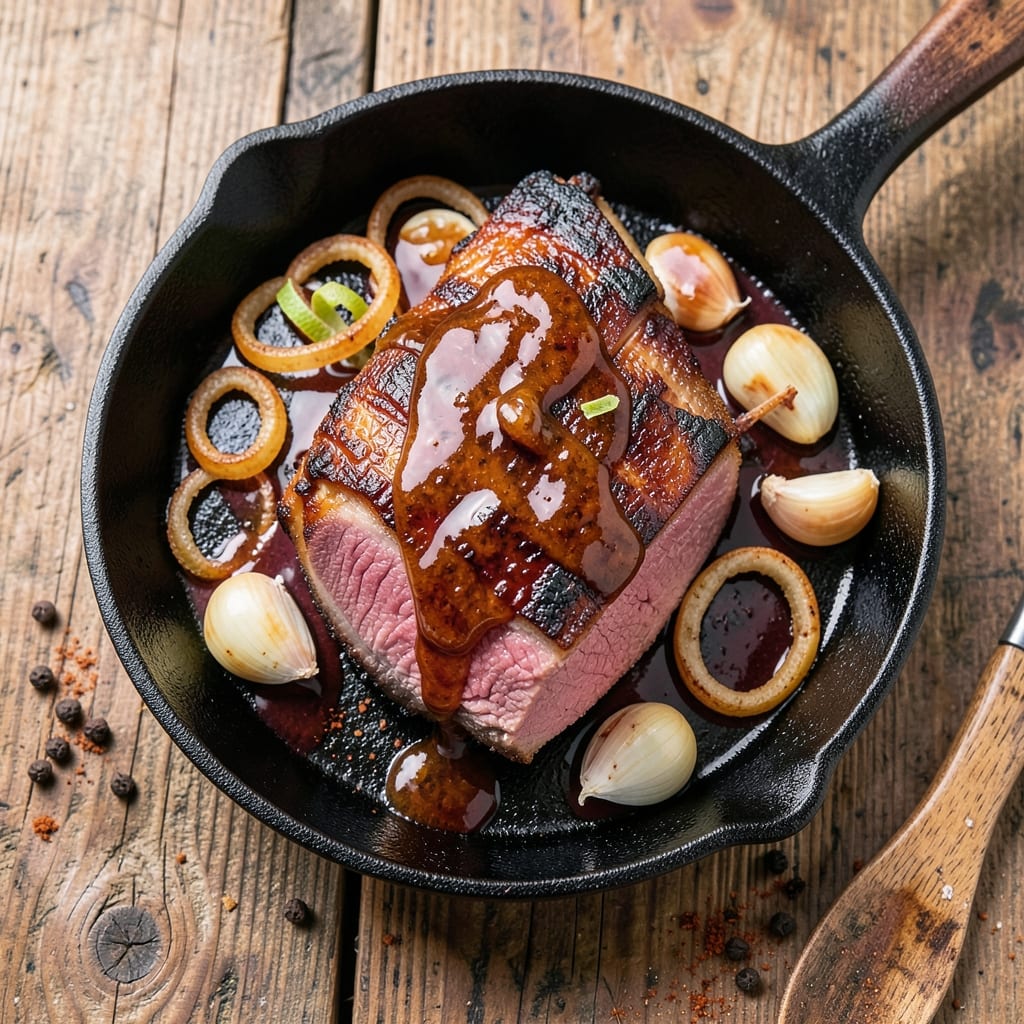
This apple cider vinegar spritz brisket recipe transforms tough meat into melt-in-your-mouth perfection with a modern twist. The secret? Strategic spritzing during low-and-slow cooking that keeps the meat moist and infuses it with subtle apple brightness. I developed this method after years of perfecting brisket, and the vinegar spritz makes all the difference—it tenderizes while adding a delicate tang that cuts through the richness.
The process starts with a simple dry rub and a long smoke at 225°F, where the vinegar spritz becomes your game-changer. Every 45 minutes, you'll spritz the brisket with apple cider vinegar, which breaks down collagen and keeps the surface moist. This technique ensures a brisket that's fork-tender at 203°F internal temperature without drying out, even in the longest cooks.
What you'll end up with is a brisket so tender it practically falls apart, with a subtle apple-cider aroma that elevates every bite. The bark stays rich and smoky, while the vinegar spritz keeps the meat juicy and flavorful. This is the kind of brisket that makes your taste buds sing—smoky, sweet, and perfectly balanced, with just enough acidity to keep things interesting.
Serve it sliced thick against classic sides like roasted potatoes or a tangy apple cider sauce. The brisket's natural juices will coat every bite, making this the centerpiece of any meal. Ready to master this restaurant-worthy technique? Let's get started.
Ingredients for apple cider vinegar spritz brisket
Six pounds of brisket plus a few pantry staples. That's all you need for restaurant-quality brisket.
| Ingredient | Amount | Notes |
|---|---|---|
| Packer Brisket 🥩 | 6 lb | Whole packer cut preferred |
| Apple Cider Vinegar 🍎 | 1 cup | Raw, unfiltered preferred |
| Yellow Onion 🧅 | 1 whole | Large, sliced into rings |
| Garlic Cloves 🧄 | 8 cloves | Peeled, smashed slightly |
| Brown Sugar 🍚 | ½ cup | Light or dark variety |
| Smoked Paprika 🌶️ | 2 tbsp | For deep smoky flavor |
| Ground Black Pepper 🌶️ | 1 ½ tbsp | Freshly cracked preferred |
| Kosher Salt 🧂 | 2 tbsp | Diamond Crystal preferred |
| Mustard Powder 🌶️ | 1 tsp | For subtle tang |
| Chicken Fat 🍳 | ½ cup | Or substitute bacon fat |
| Wood Chips 🌳 | 2 cups | Hickory or oak preferred |
| Water 💧 | 1 cup | For soaking wood chips |
| Beef Broth 🍲 | 1 cup | Low-sodium preferred |
The brisket is non-negotiable here—packer cut with good marbling is key. Costco or local butchers usually have the best deals on whole packers, and you can ask them to trim it if you're not comfortable doing it yourself. Look for bright red color and visible fat—this is your moisture and flavor insurance. I always buy extra because it's worth it for the texture. The apple cider vinegar should be raw and unfiltered—the cloudiness means more nutrients and better flavor. Bragg is my go-to, but any good brand works.
No chicken fat? Bacon fat or lard works in a pinch, though chicken fat gives that perfect balance of richness without overpowering. Running short on time? Pre-sliced onions save minutes, but fresh is always better. The wood chips can be store-bought or gathered yourself—just make sure they're food-grade and soaked for 30 minutes before using. Substituting beef broth for water? Add an extra splash of vinegar to keep the acidity balanced. And if you're worried about the brisket drying out, spritz it every 45 minutes—that's the magic.
The dry rub keeps for 2 weeks in an airtight container, so make extra. Store the brisket in the fridge for up to 2 days before cooking—this lets the rub penetrate deeper. Once cooked, it reheats beautifully—just wrap it in foil and warm in a 250°F oven for 15 minutes. Leftovers? Slice thin for sandwiches or shred for tacos. The vinegar spritz makes it last 5 days in the fridge, and it freezes perfectly for 3 months—just thaw overnight in the fridge.
Why You'll Love This Recipe
- Spritz in Minutes: I swear, the apple cider vinegar spritz takes zero effort—just a quick spray of that tangy vinegar while the brisket rests. No basting, no fuss, and the garlic-onion mop? One bowl, five minutes max.
- Sweet-Tangy Magic: That brown sugar caramelizes into the brisket while the vinegar keeps it juicy, not dry. The result? A perfect balance of sticky, smoky, and just a hint of bright acidity—like a fall day in a bite.
- Leftovers? Yes, Please: This brisket tastes better the next day—shreds for tacos, sandwiches, or even a quick stir-fry. Honestly, I make it on Sundays just so I can grab it for lunches all week.
- Budget-Friendly Feast: A whole packer brisket feeds my family for days, and the ingredients? Basic pantry stuff. Between us, this is how I stretch my grocery budget without sacrificing flavor—no shortcuts, just smart cooking.
Step-by-step instructions for apple cider vinegar spritz brisket
This method delivers melt-in-your-mouth tenderness with a bright apple-cider tang—no smoker needed.
Prepare the Brisket and Dry Rub
Pat the 6 lb packer brisket completely dry with paper towels, inside and out. This step is crucial—moisture prevents that perfect bark. Place it fat-side up on a plate and let it sit at room temperature for 30 minutes while you prep the rub.
In a bowl, combine the 0.5 cup brown sugar, 2 tbsp smoked paprika, 1.5 tbsp ground black pepper, 2 tbsp kosher salt, and 1 tsp mustard powder. Mix well, then generously coat the brisket on all sides, pressing the rub into the meat so it sticks. Let it rest uncovered for 30 minutes—this helps the seasoning penetrate and the meat cook more evenly.
Build the Spritz Mixture and Preheat the Pan
In a small bowl, whisk together the 1 cup apple cider vinegar, 1 cup beef broth, and 0.5 cup chicken fat. This tangy, fatty liquid is the secret to tenderizing the meat and creating that signature apple-cider flavor. Set aside.
Heat a large oven-safe skillet over medium-high heat. Add the 6 lb packer brisket fat-side down and sear for 5 minutes until the fat begins to render and the meat develops a deep golden crust. Flip and sear the other side for 3 minutes. Remove the brisket and set it aside.
Sear the Aromatics and Create the Flavor Base
In the same skillet, add the 1 whole yellow onion (sliced into rings) and the 8 cloves garlic cloves (smashed slightly). Cook for 5 minutes until the onions soften and the garlic becomes fragrant. Remove the aromatics and set them aside with the brisket.
Pour the spritz mixture into the skillet and bring it to a simmer over medium heat. Scrape up any browned bits from the bottom of the pan—these pack a punch of flavor. Let it reduce by half, about 5 minutes, until it thickens slightly and coats the back of a spoon.
Assemble and Braise the Brisket
Return the brisket to the skillet, fat-side up, along with the seared onions and garlic. Pour any remaining reduced spritz mixture over the top. Cover the skillet tightly with foil and transfer it to a preheated 300°F oven. Braise for 3 hours, then carefully flip the brisket and continue cooking for another 3 hours. The total cook time ensures the meat becomes fork-tender and infused with apple-cider flavor.
Here’s the thing—don’t peek or lift the foil during cooking. Every time you open it, you lose heat and moisture, which can turn your brisket tough instead of tender. Trust the process and let it cook undisturbed.
Rest and Slice for Maximum Juiciness
Once the brisket reaches an internal temperature of 205°F and a fork slides in easily, remove it from the oven. Tent loosely with foil and let it rest for 30 minutes. This resting period allows the juices to redistribute, ensuring every slice is moist and flavorful.
Slice the brisket against the grain into ¼-inch thick pieces. The meat should pull apart effortlessly, with a beautiful pink smoke ring and a glossy, apple-infused sauce clinging to every bite. Serve immediately with the pan juices spooned over the top for a rich, tangy finish.
Pro Tips For Making Apple Cider Vinegar Spritz Brisket
- USE A SPRITZER, NOT A SPRAY BOTTLE: The vinegar in this recipe needs to actually stick to the meat, not just mist it. I used to waste half the acid with a spray bottle—now I pour the vinegar into a fine-mist sprayer (like a glass spray bottle with a trigger) and hold it 6-8 inches away. Two quick spritzes per side, every 30 minutes, keeps the brisket glistening without sogging it.
- PEEL AND GRATE ONIONS FIRST: Chopped onions burn fast and turn bitter when left sitting in the pan. Instead, peel and grate them before you start searing the brisket—it takes 2 minutes and saves you from scrambling later. Toss the grated onions in a bowl with a splash of vinegar (from the same bottle you’re using for the spritz) to keep them bright and acidic.
- DON’T SKIP THE FAT CAP: That white layer of fat on the brisket? Leave it. It renders down into flavor gold during the low-and-slow cook, and if you trim it all off, you’re losing moisture and richness. If you’re worried about grease, just blot the surface with paper towels before searing—then let the fat work its magic.
- BRINE THE BRISKET FOR 12 HOURS: I learned this the hard way—dry-brining a 10-pound packer for 24 hours makes it too tough. Instead, mix ½ cup apple cider vinegar, ¼ cup brown sugar, and 1 tablespoon salt in 4 cups cold water, submerge the brisket (fat-side up), and refrigerate overnight. The acid tenderizes the meat while the sugar caramelizes into a sticky crust during the cook. No soak? At least salt it 4 hours ahead.
Pro cooking tips for this dish
Spritz Timing Mastery
The vinegar spritz happens every 45 minutes during the braise, not just at the start. I use a spray bottle filled with the apple cider vinegar mixture to evenly coat the brisket without opening the foil completely. This keeps the moisture locked in while tenderizing the meat. For a 6 lb brisket, you'll spritz about 8-10 times total during the 6-hour cook. 💫
Oven vs. Smoker
This recipe uses an oven for simplicity, but you can adapt it for a smoker by transferring the brisket after searing. Maintain 225°F for the same 6-hour cook time, spritzing every 45 minutes. The key difference is the smoker's indirect heat will create more bark, while the oven gives a more even, moist result. I prefer the oven method for beginners because it's foolproof.
Fat Rendering Control
Watch the chicken fat carefully during the braise. If it pools too much, the brisket can steam instead of braise. I recommend using ½ cup total—any more risks making the meat greasy. If you notice excess fat, carefully drain it halfway through cooking. The fat should be golden and flavorful, not clear or burnt. A cast iron skillet helps maintain even heat distribution.
Internal Temp Precision
Use a meat thermometer with a probe to monitor the brisket's internal temperature accurately. The ideal finish is 203-205°F—this ensures maximum tenderness without drying out. I recommend the ThermoWorks Smoke thermometer because it's precise and easy to read. The probe should stay in the thickest part of the meat, away from fat or bone. 🌡️
Resting Technique
After removing the brisket from the oven, tent it loosely with foil and let it rest for 30 minutes. This step is non-negotiable—it allows the juices to redistribute throughout the meat. I like to place the brisket on a warm platter to maintain temperature. If you skip resting, you'll end up with dry slices. The meat will hold its temperature well during this time, so don't rush it.
Flavor Boost Hacks
For extra depth, add 1 tsp apple cider vinegar to the pan juices before serving. This enhances the tangy flavor without overpowering the brisket. You can also finish the brisket with a sprinkle of fresh thyme or rosemary for a herbaceous note. If you're feeling adventurous, a drizzle of honey (about 1 tbsp) adds a subtle sweetness that balances the acidity. 🍯
Nutrition facts
Frequently asked questions
Can I use white vinegar instead of apple cider vinegar?
White vinegar won't give the same apple-infused flavor, but it'll still tenderize the meat. For best results, stick with apple cider vinegar—its natural sweetness and tang create that signature brisket flavor. If you're out of apple cider, try white vinegar mixed with 1 tsp honey to mimic the sweetness.
How do I know when the brisket is done?
Use a meat thermometer to check the thickest part of the meat—it should reach 203-205°F. The brisket will also pull apart easily with two forks. Never rely on time alone; every oven varies. Pro tip: The bark should be dark and crispy, but the meat inside should be tender, not dry.
Can I make this recipe without an oven?
If you have a grill or smoker, sear the brisket first, then transfer it to indirect heat at 225°F. Spritz every 45 minutes and cook until it reaches 203°F. The smoker will give you more bark, while the oven keeps it juicier. For a grill, use a drip pan to catch excess fat.
What if my brisket turns out dry?
Dry brisket usually means it was overcooked or didn't rest long enough. Always aim for 203°F internal temp and let it rest 30 minutes before slicing. If it's slightly dry, slice thin and serve with extra pan juices or a tangy apple cider sauce. For next time, spritz more frequently or reduce the oven temp to 275°F.
Can I use this method for other cuts of meat?
This technique works great for pork shoulder or beef chuck roast! The apple cider vinegar spritz tenderizes tough cuts beautifully. For pork, cook to 195°F and for beef chuck, aim for 200°F. Adjust cook times accordingly—pork usually needs 4-5 hours, while beef chuck may take 5-6 hours. The same dry rub and spritz method applies!