
Sauces & Condiments
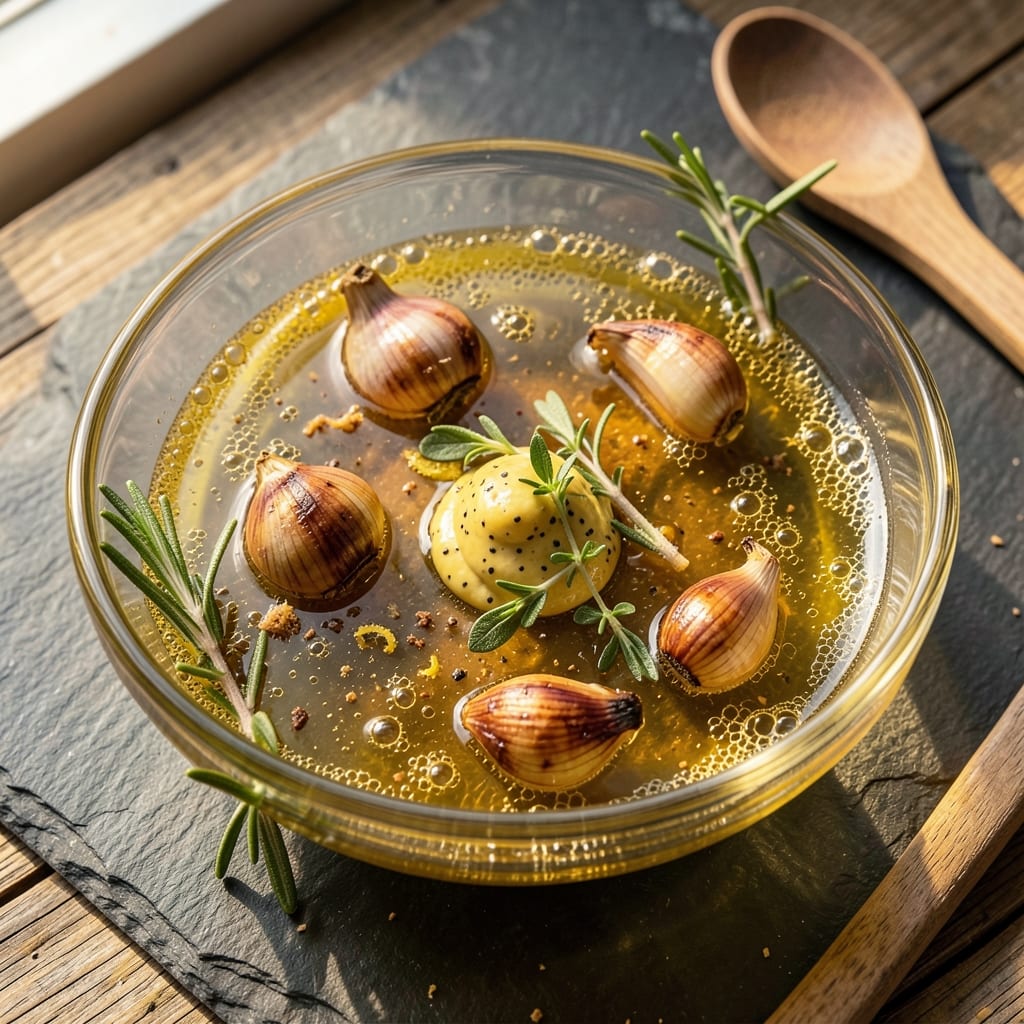
Apple cider vinegar marinade transforms bland meat into tender, tangy perfection with just five simple ingredients. This bright, acidic base tenderizes proteins while infusing them with aromatic herbs and warm spices—ideal for chicken, pork, or beef. The key lies in the balance of acidity, oil, and seasoning, which creates a marinade that works its magic in hours rather than minutes.
What sets this marinade apart is its versatility and shelf stability. The vinegar not only breaks down tough fibers but also preserves freshness, making it perfect for meal prep. You’ll need just 1 cup apple cider vinegar, ¼ cup olive oil, and a blend of garlic, mustard, and herbs to create a flavor profile that’s both bold and approachable. The result? Meat that’s juicy, flavorful, and ready to shine on the grill or in the oven.
Use this marinade for 4 to 24 hours—longer marinating yields deeper flavor penetration, but never exceed 24 hours to avoid over-tenderizing. Store leftovers in the fridge for up to a week, shaking before each use. Whether you’re searing steaks or grilling chicken, this marinade ensures every bite is packed with bright, tangy depth.
The beauty of this recipe lies in its adaptability. Swap herbs for rosemary or thyme, adjust sweetness with a touch of honey, or boost heat with red pepper flakes. It’s a foundational marinade that elevates any protein, proving that simple ingredients can deliver restaurant-quality results at home.
Ingredients for apple cider vinegar marinade
Five simple ingredients create a marinade that transforms bland meat into vibrant, flavorful perfection.
| Ingredient | Amount | Notes |
|---|---|---|
| Apple Cider Vinegar 🍏 | 1 cup | Raw, unfiltered preferred |
| Extra-Virgin Olive Oil 🫒 | ¼ cup | High-quality, fruity variety |
| Dijon Mustard 🥬 | 1 tbsp | Mild or hot depending on preference |
| Garlic Cloves 🧄 | 4 cloves | Freshly minced for best flavor |
| Fresh Thyme Leaves 🌿 | 1 tbsp | Dried works at half the amount |
| Fresh Rosemary 🌿 | 1 tbsp | Finely chopped, stems removed |
| Salt 🧂 | 1 tsp | Kosher or sea salt preferred |
| Black Pepper 🌶️ | ½ tsp | Freshly ground for best flavor |
| Honey 🍯 | 1 tbsp | Optional for subtle sweetness |
| Red Pepper Flakes 🌶️ | ½ tsp | Adjust for desired heat level |
The apple cider vinegar is the heart of this marinade—look for raw, unfiltered varieties at Whole Foods or Trader Joe's for the deepest flavor. The olive oil should be extra-virgin, with a fruity aroma that won’t overpower the vinegar. Fresh herbs make all the difference, so grab thyme and rosemary from the grocery store’s fresh section—they should smell vibrant and aromatic. If you’re using dried herbs, measure half the amount, but fresh gives that restaurant-quality depth. The garlic? Four cloves is the sweet spot for this batch—peel and mince them right before mixing to preserve their freshness. For the honey, local raw honey adds subtle floral notes, but store-bought works just fine.
No Dijon mustard? Yellow mustard thinned with a splash of vinegar works in a pinch. Short on fresh herbs? Dried thyme and rosemary at half the amount still deliver, though the texture will be slightly different. Want to cut the acidity? Add an extra tablespoon of olive oil. Prefer less sweetness? Skip the honey entirely. The red pepper flakes are completely optional but add a nice kick—adjust to taste. For a sweeter profile, swap honey for maple syrup. This marinade adapts beautifully to what you have on hand, so don’t stress over perfection. The key is balancing the acidity with fat (olive oil) and sweetness (honey), so tweak as needed.
This marinade keeps for up to 1 week in the fridge, so make a big batch for meal prep. Store it in a glass jar with a tight seal—shake well before each use, as ingredients may settle. For best results, marinate proteins for 4 to 24 hours—never exceed 24 hours to avoid over-tenderizing. The flavors deepen over time, so plan ahead. If you’re grilling or roasting, use a ziplock bag for even coating. Leftovers? Use within 3 days for optimal flavor, or freeze for up to 3 months. Just thaw in the fridge overnight before using.
Why You'll Love This Recipe
- I’ll be real: this marinade saves my back. Use it on grilled chicken for dinner, toss it with roasted veggies for a side, or even drizzle it over a salad when I’m lazy. And at parties? It’s the one thing I bring that gets eaten first—no fancy prep, just flavor.
- Five-Minute Whisk: Honestly, I swear by this marinade because it’s the kind of recipe that lets you multitask. While the chicken (or tofu, or shrimp) soaks up the tangy garlic-thyme punch, you’re not stuck stirring a pot—just shake a jar, pour, and walk away. The ACV does the heavy lifting, tenderizing everything in minutes.
- Tangy-Garlic Magic: Between us, that combo of Dijon and fresh thyme? It’s the secret to meals that taste like you spent hours cooking. The vinegar cuts through richness, the garlic adds depth, and the thyme leaves a bright, herby finish that sticks to every bite. No one will guess it’s basically a pantry raid.
- Weeknight & Potluck Hero: I’ll be real: this marinade saves my back. Use it on grilled chicken for dinner, toss it with roasted veggies for a side, or even drizzle it over a salad when I’m lazy. And at parties? It’s the one thing I bring that gets eaten first—no fancy prep, just flavor.
Step-by-step instructions for apple cider vinegar marinade
This marinade delivers bright, tangy depth that tenderizes meat while infusing bold flavor.
Combine Vinegar, Oil, and Mustard
In a medium bowl, whisk together the 1 cup apple cider vinegar and 0.25 cup extra-virgin olive oil until fully emulsified. The vinegar should be completely incorporated into the oil, creating a smooth base. This step is crucial—vinegar and oil don't naturally blend, so give it 30 seconds of vigorous whisking to ensure even distribution.
Next, add the 1 tablespoon Dijon mustard and whisk again until fully combined. The mustard acts as an emulsifier, helping the vinegar and oil mixture cling to the meat. You'll know it's properly mixed when the marinade has a uniform consistency with no visible streaks of oil or vinegar.
Add Aromatics and Seasonings
To the bowl, add the 4 minced garlic cloves, 1 tablespoon fresh thyme leaves, 1 tablespoon finely chopped fresh rosemary, 1 teaspoon salt, and 0.5 teaspoon freshly ground black pepper. Stir everything together with a wooden spoon until the herbs are evenly distributed throughout the marinade.
Here's the thing—fresh herbs make a noticeable difference. If you're using dried herbs instead, reduce the amount to 0.5 teaspoon each and crush them between your fingers to release their oils. The mixture should smell vibrant and aromatic, with a sharp vinegar tang balanced by the earthy notes of garlic and rosemary.
Incorporate Sweetness and Heat
Stir in the 1 tablespoon honey and 0.5 teaspoon red pepper flakes until fully combined. The honey will mellow the sharpness of the vinegar while adding subtle sweetness, and the red pepper flakes introduce a gentle heat that complements the marinade's acidity. Taste the mixture and adjust the seasoning if needed—you might want to add a pinch more salt or pepper depending on your preference.
This is where the marinade comes together. The honey should create a slight gloss on the surface, and the red pepper flakes will give it a faint, warm hue. Give it one final stir to ensure everything is well incorporated. The marinade should now have a balanced flavor profile—tangy, aromatic, slightly sweet, and with a touch of heat.
Rest Before Using
Transfer the marinade to an airtight container and let it rest at room temperature for 15-30 minutes. This resting period allows the flavors to meld and the marinade to reach its full potential. The longer it rests, the more complex the flavor profile becomes, but it's ready to use immediately if you're in a hurry.
Before using, give the marinade a final stir to redistribute any settled ingredients. The mixture should be smooth and ready to coat your meat thoroughly. For best results, use this marinade on chicken, pork, or beef, allowing the meat to marinate for at least 30 minutes (or up to 4 hours in the refrigerator for deeper flavor penetration).
Pro Tips For Making Apple Cider Vinegar Marinade
- Infuse the Garlic: Let the minced garlic sit in the vinegar and oil for 10 minutes before adding other ingredients—it softens the bite and pulls out more flavor. (Yes, even if you’re impatient like me.)
- Balance the Vinegar: Add a splash of water (about 1 tablespoon) if the marinade looks too thick—vinegar and mustard can clump, and you want it to cling, not pool. Thin it just enough to coat the back of a spoon.
- Skip the Raw Thyme: Strain the thyme leaves after steeping for 15 minutes, but don’t skip the stems—crush them lightly first. They pack more flavor than the leaves alone, and they won’t turn your dish into a garnish graveyard.
- Marinate Cold, Not Room Temp: Store the marinade in the fridge for up to 24 hours, but pull it out 30 minutes before using. Cold temps keep the acid from overpowering delicate proteins, and room temp lets the aromas wake up. (Your chicken will thank you.)
Essential equipment for apple cider vinegar marinade
Mixing Essentials
You’ll need a medium mixing bowl and a whisk or fork for emulsifying the vinegar and oil—this is the foundation of your marinade. I recommend a stainless steel whisk from OXO because it handles both thick and thin liquids well, and its durable design won’t rust. For measuring, grab a liquid measuring cup with clear markings—I use the Pyrex 1-cup version because it’s unbreakable and easy to read. 🫒
Storage Containers
Once mixed, store your marinade in an airtight glass jar or BPA-free plastic container with a tight seal. I prefer Le Parfait glass jars (16-ounce size) because they’re microwave-safe, leak-proof, and stackable in the fridge. For leftovers, label the container with the date—this marinade keeps for up to 1 week in the fridge or 3 months in the freezer. 🧊
Marinating Tools
For even coating, use a ziplock gallon bag or glass baking dish—both work perfectly for marinating proteins. I cut the corner of ziplock bags to create a pour spout, making it easier to coat thicker cuts like pork chops. For smaller pieces (like shrimp or chicken tenders), a glass baking dish with a lid prevents spills and allows even exposure to the marinade. 🍗
Optional Extras
A fine-mesh strainer comes in handy if you prefer a smoother marinade without herb bits—just strain it before using. For heat lovers, a mortar and pestle helps crush red pepper flakes into a fine powder. I also keep a small funnel nearby when transferring marinade to bottles for easy pouring. These extras aren’t required but elevate precision. 🌶️
Nutrition facts
Frequently asked questions
Can I use this marinade on seafood like shrimp or salmon?
This marinade works beautifully with seafood, but use it for 30 minutes or less—acidic vinegar can over-tenderize delicate fish. For salmon, marinate for 15-20 minutes and skip the red pepper flakes (they can dry out the flesh). For shrimp, just 10 minutes is perfect to infuse flavor without breaking them down.
Why does my marinade separate after resting?
Separation happens when oil and vinegar aren't properly emulsified. Whisk vigorously for 30 seconds before adding mustard—the mustard acts as a natural emulsifier. If it separates later, stir well before using or add 1 teaspoon cornstarch mixed with 1 tbsp water to stabilize it.
Can I reuse leftover marinade?
Yes! After removing meat, boil the used marinade for 3 minutes to kill bacteria, then cool and store in the fridge for up to 3 days. It works great as a sauce for drizzling over grilled proteins or roasted veggies. Just remember—never reuse marinade that touched raw meat without cooking it first.
What's the best way to store extra marinade?
Transfer to an airtight glass jar and refrigerate for up to 1 week or freeze for 3 months. Thaw frozen marinade in the fridge overnight. For long-term storage, divide into ice cube trays—each cube makes a perfect single-use portion for quick meals.
Can I make this marinade less acidic for sensitive stomachs?
Reduce the vinegar to ½ cup and increase olive oil to ⅓ cup to balance the acidity. Add 1 extra tablespoon of honey to further mellow the flavor. This version works well for children or those with acid-sensitive conditions while keeping the tenderizing benefits.