
Salads
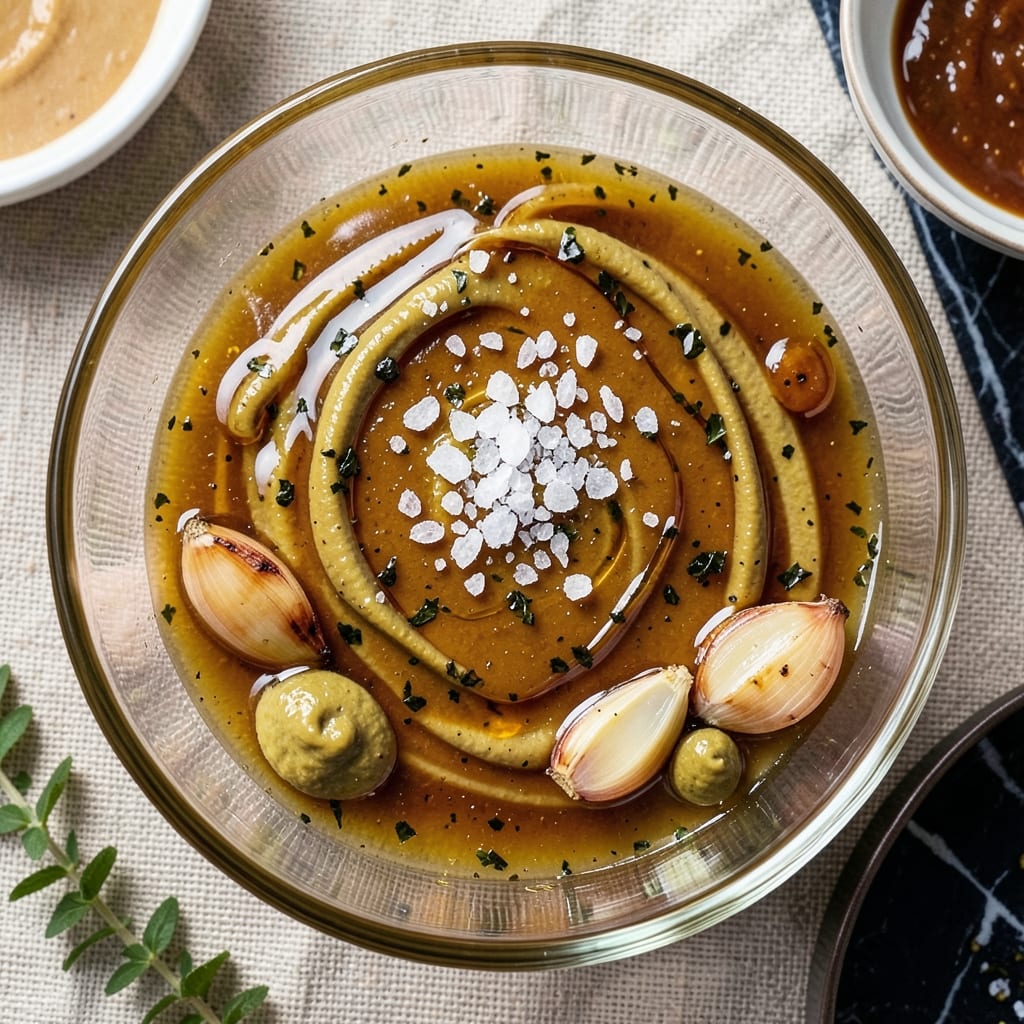
This apple cider vinegar and oil salad dressing recipe transforms simple pantry staples into a tangy, creamy dressing that elevates every salad from basic to extraordinary. The secret lies in balancing sharp apple cider vinegar with smooth oil, stabilized by a touch of maple syrup for natural sweetness and emulsification—no eggs or honey required. What starts as a basic ratio becomes a versatile foundation for endless flavor variations, from herby garlic to sweet balsamic twists.
The beauty of this dressing lies in its simplicity and adaptability. With just five core ingredients—apple cider vinegar, olive oil, maple syrup, Dijon mustard, and a pinch of salt—you create a base that’s vegan, gluten-free, and shelf-stable. The mustard acts as a natural emulsifier, while the maple syrup rounds out the sharpness of the vinegar, creating a dressing that clings beautifully to greens without overwhelming their natural flavors. Ready in under five minutes, it’s perfect for meal prep or last-minute dressing needs.
What makes this recipe truly special is its versatility—customize it with fresh herbs like dill or basil, minced garlic for depth, or even a dash of smoked paprika for warmth. Store it in the fridge for up to two weeks, shaking well before each use to maintain that perfect emulsion. Whether drizzled over a crisp arugula salad, tossed with roasted vegetables, or used as a marinade, this dressing proves that homemade can taste fresher, brighter, and more vibrant than anything store-bought.
The best part? You’ll never reach for bottled dressing again. The first time you taste this homemade zing, you’ll wonder how you ever settled for anything less. Let’s make dressing that’s as good for you as it is delicious.
Ingredients for apple cider vinegar and oil salad dressing
Five pantry staples and two optional boosters—this dressing transforms basic greens into restaurant-worthy bites.
| Ingredient | Amount | Notes |
|---|---|---|
| Apple Cider Vinegar 🍏 | ½ cup | Raw, unfiltered for best flavor |
| Extra-Virgin Olive Oil 🫒 | ¾ cup | Light or fruity variety preferred |
| Pure Maple Syrup 🍁 | 2 tbsp | Grade A or B for depth |
| Dijon Mustard 🌶️ | 1 tbsp | Whole-grain preferred for texture |
| Sea Salt 🧂 | ½ tsp | Fine grain for even dissolving |
| Garlic Cloves 🧄 | 2 cloves | Minced for herby variations |
| Fresh Dill 🌿 | 1 tbsp | Chopped, optional for herby twist |
| Smoked Paprika 🌶️ | ¼ tsp | For warmth, optional |
The apple cider vinegar makes or breaks this dressing—raw, unfiltered is the gold standard, but any good-quality brand works. I grab mine from the baking aisle at Trader Joe's (their organic ACV is a steal), but the regular grocery store stuff is fine too. The olive oil? Don’t cheap out here—light or fruity varieties balance the vinegar’s sharpness perfectly. For the maple syrup, Grade A or B gives you that authentic depth, but any pure maple works. Pro tip: Taste your vinegar first—if it’s too sweet, look for something more tangy.
No Dijon mustard? Whole-grain mustard is ideal, but any smooth mustard in a pinch. Want to skip the garlic or dill? No problem—this dressing shines on its own, but those two cloves of garlic or tablespoon of dill take it to next-level herby territory. The smoked paprika is totally optional, but if you’re feeling adventurous, it adds this smoky warmth that pairs perfectly with roasted veggies. For storage, keep all dry ingredients (maple syrup, salt, spices) in airtight containers—they’ll last months—while the vinegar and oil stay fresh indefinitely.
This dressing keeps for two weeks in the fridge, but trust me, it’ll disappear faster. Shake well before each use—that’s the secret to maintaining that perfect emulsion. Double the batch and store half in a small squeeze bottle for easy salads on the go. The garlic and dill? Add them fresh right before using so they don’t wilt. And if you’re prepping ahead, store the dry ingredients separately until ready to mix—keeps everything fresher longer.
Why You'll Love This Recipe
- Five-Ingredient Magic: I swear by this combo—just shake, taste, adjust. No fancy gadgets, no waiting for anything to bloom. The Dijon mustard cuts through the sweetness while the maple syrup keeps it from tasting harsh, and honestly? That first tangy pour is always satisfying.
- Balanced Tangy-Sweet: The apple cider vinegar gives this dressing that bright, autumnal zing, but the maple syrup softens it into something smooth and addictive. I’ll be real: I’ve drizzled this over grilled chicken, cold pasta, and even roasted veggies—it’s the kind of flavor that works in layers, not just as a side note.
- Weeknight Workhorse: This isn’t just for salads. I keep a jar in my fridge for quick marinades, a splash in vinaigrettes, or even a drizzle over scrambled eggs. Between us, it’s the one dressing I never run out of, and the olive oil keeps it rich enough to stand up to anything.
- No-Waste, Long-Lasting: A full batch costs me pennies—maybe $2 for ingredients—and lasts two weeks in the fridge. I’ll mix up a big jar on Sundays, and by Thursday, it’s still bright and usable. Plus, the olive oil and vinegar ratio means it won’t go rancid fast, so I’m not tossing money.
Step-by-step instructions for apple cider vinegar and oil salad dressing
Here's how to whip up this tangy, versatile dressing that's better than anything store-bought.
Whisk Together the Vinegar and Sweetener
In a medium bowl, combine the 0.5 cup apple cider vinegar and 2 tablespoons pure maple syrup. I like to use a whisk for this step because it creates a smooth emulsion right from the start. The vinegar's sharp acidity will cut through the sweetness, creating a balanced foundation for the dressing.
Give it a quick stir until the maple syrup dissolves completely. You'll notice the mixture starts to look slightly syrupy—this is perfect for creating that glossy finish on your salad greens. If you're using raw, unfiltered apple cider vinegar, you might see tiny particles settle at the bottom, but that just adds to the dressing's rustic charm.
Add Mustard and Salt for Depth of Flavor
Next, stir in the 1 tablespoon Dijon mustard and 0.5 teaspoon sea salt. The Dijon mustard adds a subtle tang and helps emulsify the dressing later, while the salt enhances all the flavors. I always use whole-grain Dijon for that extra texture—it gives the dressing a nice bite that complements the smoothness of the oil.
Whisk everything together until the mustard is completely incorporated and no streaks remain. This is where the magic starts to happen—the combination of acid, sweet, and umami begins to develop. If you're using fine sea salt, it will dissolve completely, but if you're using kosher salt, give it a little extra attention to make sure it's fully distributed.
Incorporate the Garlic and Dill for Herby Zing
Now it's time to add the 2 minced garlic cloves and 1 tablespoon chopped fresh dill. The garlic brings a savory punch, while the dill adds a bright, fresh herbal note that cuts through the richness of the oil. I like to use a small fork or the back of a spoon to press the garlic into the mixture, ensuring those flavorful oils are released.
Give everything another good whisk to combine. You'll smell that wonderful aromatic blend of vinegar, garlic, and dill—it's the perfect balance of tangy, sweet, and herby. If you're using the optional 0.25 teaspoon smoked paprika, sprinkle it in now and whisk it in thoroughly. This adds a subtle warmth that pairs beautifully with the other flavors.
Slowly Drizzle in the Olive Oil for Emulsion
This is the most critical step—adding the 0.75 cup extra-virgin olive oil slowly while whisking vigorously. I like to use a light or fruity variety of olive oil here because it complements the apple cider vinegar without overpowering it. Start by pouring in about 1 tablespoon of oil at a time, whisking continuously until it's fully incorporated before adding more.
Keep whisking until the dressing begins to thicken and take on a creamy, emulsified texture. You'll know it's working when it stops looking like two separate liquids and starts to coat the back of your spoon. If you're in a hurry, you can use an immersion blender for this step—it creates a smoother emulsion with less effort. The key is patience; rushing this step will result in a dressing that separates.
Taste and Adjust to Perfection
Once all the ingredients are combined, give the dressing a taste and adjust the seasoning as needed. You might want to add a pinch more salt, a splash of vinegar for extra tang, or even a touch more maple syrup if it needs sweetening. The beauty of homemade dressing is that you can tailor it to your exact taste preferences.
Let the dressing sit for 5-10 minutes before using—this allows the flavors to meld together even more. If you notice any separation after sitting, simply give it a good whisk before using. This dressing keeps well in the refrigerator for up to 2 weeks, so you can make a big batch and enjoy it all week long. It's perfect for everything from simple green salads to hearty grain bowls!
Pro Tips For Making Apple Cider Vinegar And Oil Salad Dressing
- Whisk in stages: Start by mixing the vinegar, mustard, and maple syrup—this prevents the oil from separating when you add it later. Pour the olive oil in slowly while whisking vigorously, or you’ll end up with a gloopy mess instead of a smooth emulsion.
- Use cold ingredients: Chill the vinegar and maple syrup in the fridge for 10 minutes before mixing. Cold liquids blend better and keep the dressing stable longer—no one likes a dressing that splits after five minutes of tossing.
- Salt the mustard: Taste the Dijon mustard first—it’s often unsalted. Add a pinch of sea salt directly to it before mixing into the dressing. This saves you from over-salting the whole batch later and keeps flavors balanced.
- Shake before measuring: Apple cider vinegar settles over time. Give the bottle a good shake before pouring to ensure you’re using the right ratio of liquid to sediment. A cloudy dressing isn’t bad, but a gritty one is a buzzkill.
Essential equipment for perfect results
Must-Have Mixing Tools
Start with a medium glass bowl—glass won’t absorb flavors or oils like plastic might. I use a pyrex mixing bowl because it’s sturdy and easy to clean. For whisking, a balloon whisk (like the OXO Good Grips) creates smooth emulsions faster than a fork. If you’re short on time, an immersion blender (I love the Magic Bullet Mini) blends the oil into the vinegar mixture in seconds without lumps. 💫
Storage Containers
Transfer your dressing to an airtight glass jar or squeeze bottle for easy storage. I prefer Le Parfait glass jars (they’re leak-proof and stackable) or small mason jars for portion control. For on-the-go use, a squeeze bottle with a fine tip (like the BPA-free Oxo Good Grips) lets you drizzle precisely without making a mess. Label with the date—this dressing lasts 2 weeks in the fridge.
Measuring Essentials
Accurate measurements make all the difference. Use a liquid measuring cup for the vinegar and oil—pyrex glass ones are my go-to. For dry ingredients like salt and mustard, a small measuring spoon set (I use OXO’s stainless steel) keeps things precise. A garlic press (like the Norpro) saves time mincing cloves, and a microplane for zesting citrus (if you add it) adds instant brightness. 🧂
Optional Upgrades
For flavor variations, keep fresh herbs in a small glass jar with a lid (like Trader Joe’s herb jars) or a mason jar in the fridge. A mortar and pestle (I use Kuhn Rikon) crushes garlic cloves for deeper flavor. For smoky depth, a smoked salt shaker (like Morton’s) lets you adjust heat on the fly. These extras turn your dressing into a customizable masterpiece.
Nutrition facts
Frequently asked questions
Why does my dressing separate after sitting?
This happens when oil and vinegar aren't properly emulsified. The Dijon mustard acts as a natural emulsifier, but if you rush the whisking or use too much oil, separation occurs. Always add oil 1 tablespoon at a time while whisking vigorously. If separation happens, just whisk again before using—it'll come back together!
Can I make this dressing without mustard?
Yes, but the texture may be thinner. For a vegan alternative, try 1 teaspoon ground flaxseed mixed with 3 tablespoons water (let it thicken for 5 minutes first). Another option is 1 tablespoon tahini, which adds richness. Just reduce the oil slightly to maintain balance.
How do I adjust the flavor if it's too sweet or tart?
Easy! For too sweet, add 1-2 teaspoons more apple cider vinegar. For too tart, stir in ½ teaspoon maple syrup or a pinch of salt. Taste as you go—homemade dressings let you customize perfectly to your preference!
What are the best greens to use with this dressing?
This dressing shines with bitter greens like arugula, romaine, or spinach, but works on any salad. For heartier salads, try it with kale or cabbage. The tangy-sweet balance cuts through rich ingredients like avocado or roasted nuts beautifully.
Can I use this dressing for cooking or just salads?
Drizzle it over roasted vegetables, use it as a marinade for grilled chicken or tofu, or toss it with pasta. The acidity tenderizes meats, while the herbs add aromatic depth. Just reduce the oil slightly (to ½ cup) if using for high-heat cooking.