
Snacks
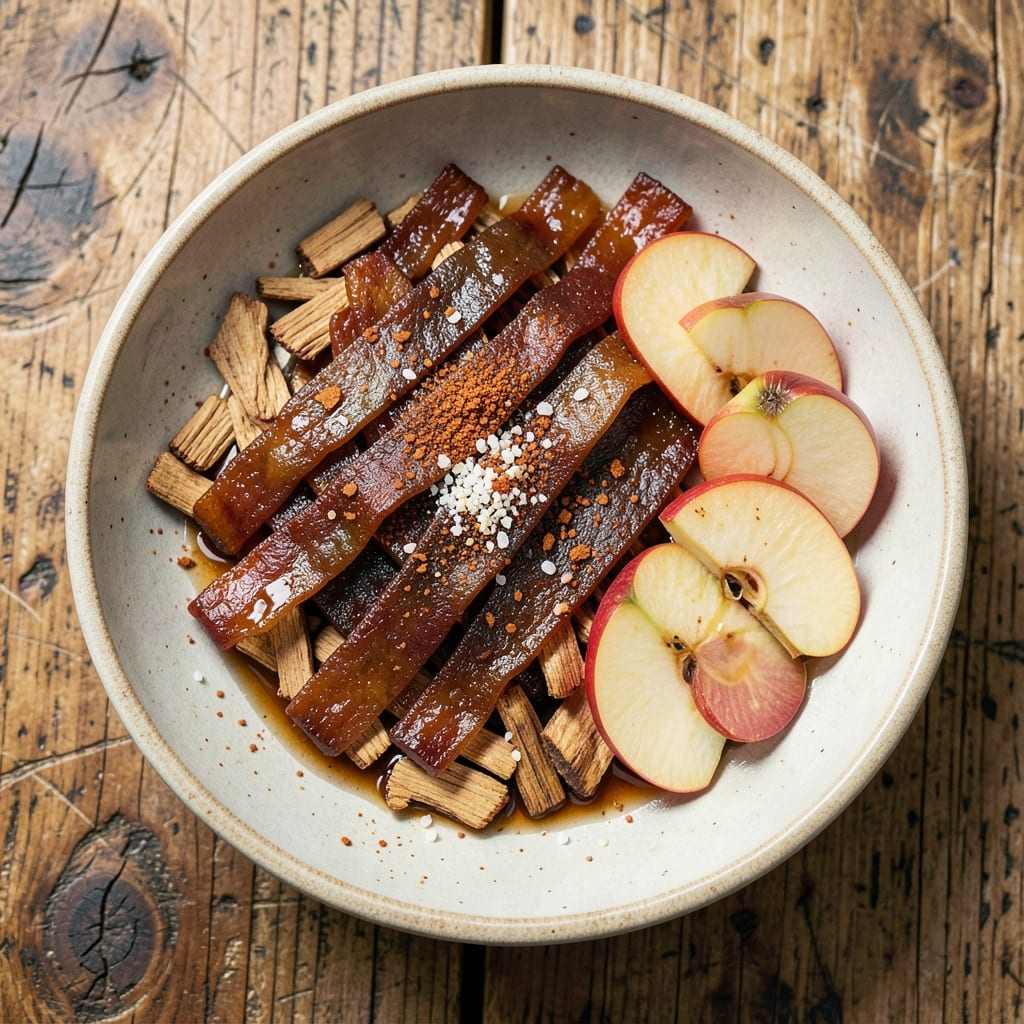
This apple cider jerky recipe transforms simple ingredients into a smoky, applewood-spiced snack that lasts for months—perfect for vegetarians craving that satisfying jerky texture without the meat. The secret lies in reducing apple cider into a thick, flavorful base that binds the spices and creates that signature chewy, dehydrated bite. I developed this recipe after years of experimenting with fruit-based jerky alternatives, and it finally delivers the crispy edges and tender centers you’d expect from traditional jerky, but with a completely plant-based twist.
The process starts with a 30-minute apple cider reduction that concentrates natural sweetness and depth, then blends with apple cider vinegar and a precise mix of applewood chips, smoked paprika, and sea salt for that unmistakable smoky flavor. The jerky mixture is shaped into thin strips, then either dehydrated or baked at low heat to achieve the perfect chewy yet firm texture—no tough or rubbery results here. What makes this recipe stand out is its shelf stability: when properly packaged, it stays fresh for up to three months without refrigeration, making it ideal for camping trips, snacks on the go, or adding a unique touch to charcuterie boards.
What you’ll end up with is a versatile, protein-packed snack that’s as satisfying as traditional jerky but entirely plant-based. The smoky applewood notes pair beautifully with sharp cheddar, nuts, or even dark chocolate for a sweet-and-savory contrast. Unlike store-bought alternatives, this jerky is free from artificial preservatives and packed with natural flavors from the reduction process. Whether you’re prepping for an outdoor adventure or simply craving a healthier snack option, this recipe delivers restaurant-quality results at home.
Once you’ve mastered the technique, you can easily customize the flavor profile by swapping spices or adding a touch of cayenne for heat. The key is patience—letting the cider reduce fully and dehydrating the strips completely ensures that perfect balance of texture and flavor. Ready to create a snack that’s as impressive as it is delicious? Let’s get started.
Ingredients for apple cider jerky
Simple, smoky, and shelf-stable—this apple cider jerky transforms pantry staples into a restaurant-quality snack.
| Ingredient | Amount | Notes |
|---|---|---|
| Unsweetened Apple Cider 🍎 | 2 cups | 100% pure, no sugar added |
| Apple Cider Vinegar 🍶 | ½ cup | Raw, unfiltered preferred |
| Applewood Chips 🌳 | ¼ cup | Finely ground or crumbled |
| Smoked Paprika 🌶️ | 2 tbsp | High-quality for smoky depth |
| Sea Salt 🧂 | 1 ½ tsp | Fine grain preferred |
| Nutritional Yeast 🍞 | ¼ cup | For umami, cheesy flavor |
| Blackstrap Molasses 🍯 | 1 tbsp | Adds depth and chewiness |
| Cayenne Pepper 🔥 | ½ tsp | Adjust for heat preference |
| Ground Flaxseed 🌾 | ½ cup | Binds mixture like egg |
| Water 💧 | ½ cup | For flaxseed egg mixture |
| Vegan Protein Powder 🥛 | ½ cup | Unflavored, pea or rice-based |
| Dried Apple Pieces 🍏 | 1 cup | Small, uniform pieces |
| Extra-Virgin Olive Oil 🫒 | 1 tbsp | For brushing strips |
The apple cider is the heart of this recipe—look for organic, unsweetened varieties at Whole Foods or local orchards for maximum flavor. Apple cider vinegar adds tang, so Bragg or Texas Pete are my go-tos. For the applewood chips, Smoked Mountain or local craft brands deliver that authentic smoky punch. Nutritional yeast is a game-changer here—Bob's Red Mill or Bragg are reliable brands that add that savory depth without dairy. And don't skimp on the molasses—Blackstrap gives you that rich, complex flavor that traditional jerky has. If you can't find applewood chips, liquid smoke at 1/2 tsp works in a pinch, but nothing beats the real thing.
No applewood chips? Smoked salt at 1/2 tsp gets you close. Running low on nutritional yeast? Miso paste at 1 tbsp adds umami, though the flavor will differ slightly. The vegan protein powder is non-negotiable for texture—Orgain or Naked Nutrition work perfectly. For the dried apple pieces, unsweetened applesauce spread thin on parchment and dehydrated works too, but pre-dried is more convenient. The flaxseed egg mixture needs to sit for 5 minutes to thicken properly—don't rush it. And if you're feeling adventurous, swap the cayenne for chipotle powder for a smoky heat instead.
This jerky keeps like a dream—3 months at room temperature if stored in an airtight container with silica packets. For extra shelf life, vacuum-seal it. The strips dehydrate best at 165°F for 6-8 hours, but if you're in a hurry, bake at 200°F for 2-3 hours works too. Store any extras in the fridge for up to 2 weeks if you'll be eating them sooner. Pro tip: Brush the finished jerky with olive oil before storing to keep it from drying out completely—trust me, it makes a difference.
Why You'll Love This Recipe
- No-Slice Necessary: I swear by this—just slice thin, no fancy knife work. The apple cider marinade does all the tenderizing while I sip my coffee.
- Fall in Your Mouth: That smoky-sweet tang from the applewood chips and smoked paprika? It’s like biting into autumn in jerky form. Honestly, the vinegar cuts through the richness just enough to keep it bright.
- Snack Attack Ready: Between us, this stuff lasts for weeks in the fridge. Perfect for tossing in lunchboxes, hiking snacks, or when I’m too lazy to make dinner but still want something satisfying.
- Pantry Magic: I use what I’ve got—no specialty ingredients here. Apple cider and vinegar are shelf-stable, and the wood chips add depth without breaking the bank. (Yes, even on a Tuesday night.)
Step-by-step instructions for apple cider jerky with applewood spice
Here's how to transform simple ingredients into a chewy, smoky jerky that keeps for months.
Create the Flaxseed Egg Substitute
In a small bowl, whisk together the 0.5 cup ground flaxseed and 0.5 cup water. Let it sit for 10 minutes until it thickens into a gel-like consistency that resembles raw egg whites. This flaxseed "egg" will bind your jerky mixture just like traditional eggs would.
The mixture should be thick enough to coat the back of a spoon but still pourable. If it's too thick after 10 minutes, add 1 teaspoon water at a time until it reaches the perfect consistency. This step is crucial for creating a jerky that holds its shape and texture during the drying process.
Mix the Wet and Dry Ingredients
In a large mixing bowl, combine the 2 cups unsweetened apple cider, 0.5 cup apple cider vinegar, 1 tbsp blackstrap molasses, 0.5 tsp cayenne pepper, and the flaxseed egg mixture. Stir well to fully incorporate all ingredients. The molasses will add a deep, caramel-like richness while the vinegar helps preserve the jerky.
In a separate bowl, whisk together the 0.5 cup vegan protein powder, 0.25 cup nutritional yeast, 2 tbsp smoked paprika, 1.5 tsp sea salt, and 0.25 cup applewood chips. The nutritional yeast adds a cheesy, umami depth that pairs perfectly with the apple flavors, while the smoked paprika and applewood chips create that signature smoky aroma.
Gradually add the dry ingredients to the wet mixture, stirring continuously until you have a smooth, well-combined batter. The consistency should be thick but spreadable—similar to hummus. If it's too thick, add 1-2 tablespoons water to reach the ideal texture.
Incorporate the Dried Apple Pieces
Gently fold in the 1 cup dried apple pieces using a silicone spatula, being careful not to overmix. You want the apples evenly distributed throughout the mixture without breaking them down into a pulp. The dried apples will provide natural sweetness and texture contrast that makes this jerky uniquely delicious.
Taste a small spoonful of the mixture to check the balance of flavors. You should detect the tang of apple cider, the warmth of the molasses, and the subtle heat from the cayenne. Adjust seasoning if needed—add more smoked paprika for deeper smokiness or a pinch more cayenne for extra heat.
Spread and Cut the Jerky
Lightly brush a clean baking sheet with 1 tbsp extra-virgin olive oil to prevent sticking. Using a silicone spatula, spread the apple cider mixture evenly across the baking sheet in a thin, even layer—about ¼-inch thick. The thinner you spread it, the quicker it will dry without becoming rubbery.
Let the mixture set for 10-15 minutes until it becomes slightly firm but still pliable. Using a sharp knife or pizza cutter, carefully cut the mixture into ¼-inch thick strips. Work quickly but gently to avoid tearing the jerky. For best results, cut the strips while they're still slightly sticky—this makes them easier to handle during the drying process.
Dry the Jerky to Perfection
Preheat your oven to 175°F—this low temperature is key to drying the jerky evenly without cooking it. Arrange the cut strips on a wire rack placed over a baking sheet to allow air to circulate on all sides. This is crucial for preventing moisture buildup that could lead to spoilage.
Bake the jerky for 4-6 hours, checking periodically after the first 2 hours. The jerky is ready when it's completely dry to the touch, firm to bite, and no longer sticky. It should snap when bent but not crumble. For extra crispiness, you can increase the oven temperature to 200°F for the final 30 minutes of drying.
Once fully dried, let the jerky cool completely on the wire rack before storing. Properly stored in an airtight container in a cool, dry place, this apple cider jerky will last 3 months while maintaining its chewy texture and vibrant flavors.
Pro Tips For Making Apple Cider Jerky
- Simmer Slowly First: I learned this the hard way—rushing the marinade by boiling it hard causes the apple cider to turn bitter. Start on medium-low heat, bring it to a gentle simmer (tiny bubbles, not rolling), and let the applewood chips steep for at least 15 minutes. That’s when the real flavor pulls out, not when you’re impatient and crank it up.
- Crush Those Chips: Don’t just toss in whole applewood chips—they’ll float and underwhelm your jerky. Lightly crush them with the flat of a knife or a rolling pin before adding to the marinade. This ensures even flavor distribution, and you’ll notice the smokiness is deeper and more consistent across every slice.
- Pat Dry Before Marinating: Skipping this step is how you end up with soggy jerky that takes forever to dry. Use paper towels to press out all the moisture from your meat—really press, not just wipe. Wet meat absorbs marinade unevenly and slows down the drying process, which is the whole point of jerky.
- Double the Vinegar: I was skeptical until I tried it: apple cider vinegar isn’t just for tang—it’s the preservative that keeps your jerky from spoiling too fast. Use twice the amount called for in the recipe (e.g., 1/4 cup per pound of meat) if you’re storing it longer than a week. The extra acidity also helps tenderize the meat while you marinate.
Common mistakes when making this dish
Over-Reducing the Cider
One of the biggest mistakes is reducing the apple cider too aggressively, which can turn your jerky mixture into a thick, syrupy paste that’s impossible to spread evenly. I’ve seen people boil it down to a caramel-like consistency, but you only want to reduce it until it’s thickened by about 30%—think of it like a concentrated apple syrup that still has pourable consistency. 🍎
To avoid this, keep the heat at medium-low and stir frequently. If you see it getting too thick too quickly, add 1-2 tablespoons of water to maintain the right texture. The goal is to concentrate the flavors without making the mixture unworkable.
Skipping the Flaxseed Rest
Rushing the flaxseed egg mixture is another common error that leads to jerky that crumbles or doesn’t hold its shape. The flaxseed needs that full 10-minute rest to properly gel—skipping this step means your jerky won’t bind together correctly. I’ve learned this the hard way when my jerky fell apart during cutting! 💫
If you’re in a hurry, don’t just add more water to speed it up. The flaxseed needs time to absorb the liquid and form a proper gel. This step is what gives your jerky that satisfying chewiness and prevents it from turning into a brittle mess.
Uneven Drying
Another frequent issue is uneven drying, which can result in jerky that’s either too soft or completely rubbery. This usually happens when strips aren’t cut uniformly or when they’re stacked too closely together during drying. To prevent this, cut your strips to exactly ¼-inch thickness and arrange them with ½-inch space between each one on the wire rack. 🔥
If you’re using an oven, avoid overcrowding the baking sheet. The goal is to allow air to circulate freely around each strip. If you notice some pieces drying faster than others, rotate the rack halfway through the drying process to ensure even results.
Ignoring the Vinegar
Many people overlook the importance of apple cider vinegar in this recipe, thinking it’s just for tang. But the vinegar is actually crucial for preservation—it helps lower the pH of the jerky, which inhibits bacterial growth and extends shelf life. Skipping it or using too little can lead to jerky that spoils faster. 🧂
If you’re concerned about the flavor being too sharp, don’t worry—the vinegar’s acidity mellows out during the drying process. Just stick to the ½ cup measurement in the recipe. For an extra insurance policy, you can add ½ teaspoon of citric acid to further enhance preservation.
Overmixing the Dried Apples
When folding in the dried apple pieces, it’s easy to overmix and turn them into a pulp, which can make your jerky lose its texture and become gummy. The key is to fold them in gently with a silicone spatula, just until they’re evenly distributed. Overworking the mixture can also incorporate too much air, leading to jerky that doesn’t hold its shape well. 🍏
Think of it like folding in chocolate chips into cookie dough—you want them distributed but still visible and intact. If you notice the apples breaking down too much, switch to a gentle folding motion and work quickly to preserve their shape.
Rushing the Drying Process
Finally, one of the most common mistakes is rushing the drying time to save energy or impatience. Jerky needs to dry completely to achieve that perfect chewy texture and long shelf life. If you take it out too soon, it’ll be sticky, gummy, or even mold quickly. 🕒
To avoid this, check the jerky’s readiness by testing one piece. It should be completely dry to the touch, firm when bitten, and snap when bent without breaking. If it’s still pliable or sticky, return it to the dehydrator or oven for another 30-60 minutes. Trust the process—properly dried jerky is worth the wait!
Nutrition facts
Frequently asked questions
Can I make this apple cider jerky without a dehydrator?
Use your oven at 175°F for 4-6 hours with the door slightly open to allow moisture to escape. Arrange strips on a wire rack over a baking sheet for even drying. For extra crispiness, increase to 200°F for the final 30 minutes. Just monitor closely to avoid burning.
How do I store apple cider jerky for maximum freshness?
Store in an airtight container with silica packets or a vacuum-sealed bag to prevent moisture. It lasts 3 months at room temperature or 2 weeks in the fridge. For long-term storage, freeze for up to 6 months—just thaw overnight before eating for best texture.
What can I substitute if I don't have applewood chips?
Use ½ teaspoon liquid smoke or swap for smoked salt at ½ teaspoon. For a different flavor profile, try maplewood chips or mesquite powder at the same amount. The smoky depth will still shine through, just with a slightly different character.
Can I add other fruits to this jerky?
Yes! Try dried cranberries or raisins for sweetness, or dried apricots for a jammy texture. Keep the total fruit to 1 cup to maintain the jerky's structure. For savory variations, add dried mushrooms or sun-dried tomatoes instead of apples.
Why did my jerky turn out too sweet?
This usually happens when the apple cider reduction isn't balanced with enough vinegar or salt. Next time, add ½ teaspoon more vinegar or ½ teaspoon extra salt to the mixture. Also ensure you reduced the cider just until it thickens—over-reducing concentrates sweetness too much.