
Sauces & Condiments
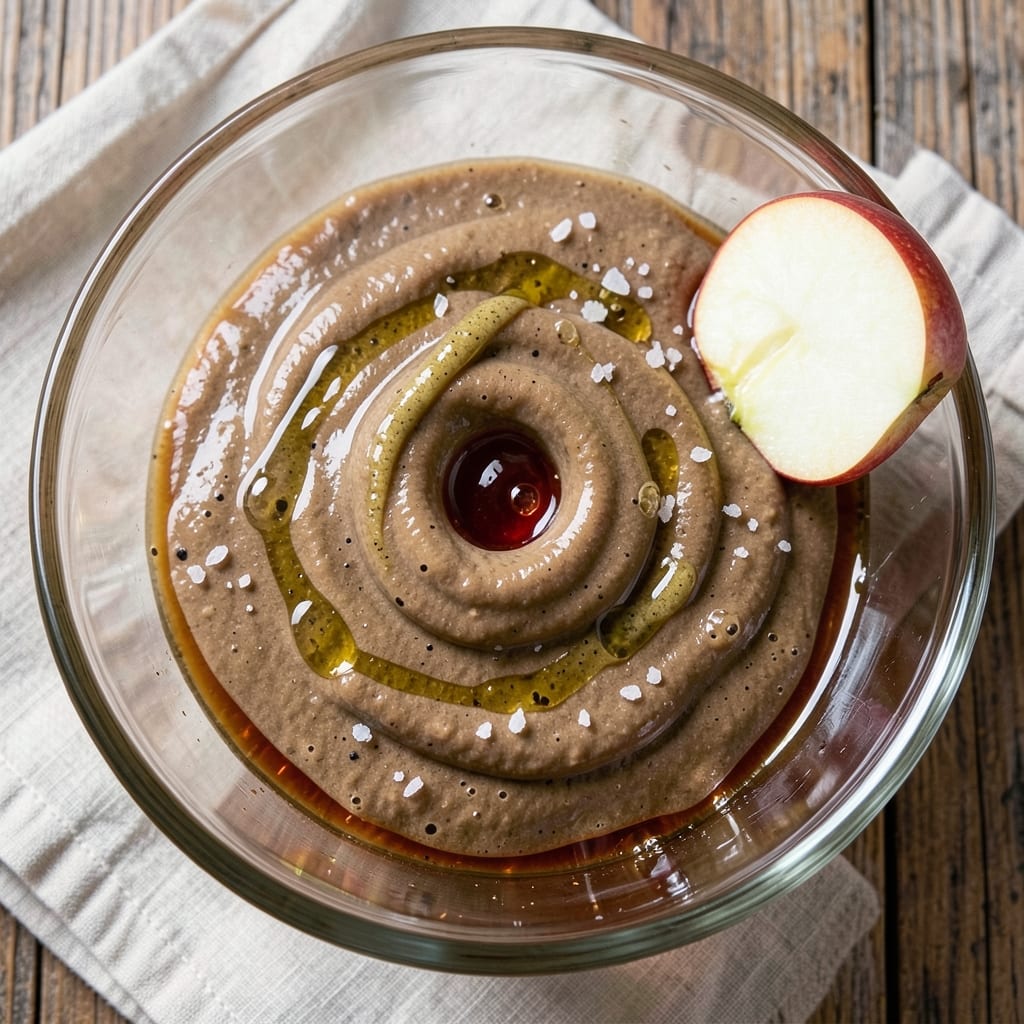
This apple balsamic vinaigrette dressing recipe transforms ordinary salads into vibrant, tangy masterpieces with just five simple ingredients. The perfect balance of sweet apple cider, rich balsamic, and sharp Dijon mustard creates a dressing that's bright, complex, and impossible to resist. I developed this recipe after years of searching for the ideal vinaigrette—one that's bold enough to stand up to robust greens but delicate enough to enhance their natural flavors.
The secret lies in the emulsion technique: whisking together equal parts apple cider and balsamic vinegar with a touch of maple syrup creates a natural sweetness that bridges the gap between tart and sweet. Adding Dijon mustard not only emulsifies the dressing but also introduces a subtle depth that elevates it beyond basic vinaigrettes. This recipe is vegan-friendly, gluten-free, and requires just 10 minutes of active prep time.
What you'll end up with is a glossy, aromatic dressing that clings beautifully to mixed greens, roasted vegetables, or even as a dip for fresh bread. The apple cider adds a subtle sweetness that caramelizes slightly when stored, deepening the flavor over time. It's the kind of dressing that turns a simple salad into a restaurant-worthy dish without any fuss.
Store it in an airtight container in the refrigerator for up to one week, where the flavors continue to meld and develop. Whether you're prepping for meal prep or dressing last-minute salads, this versatile vinaigrette delivers consistent, professional-quality results every time. Let's make it!
Ingredients for apple balsamic vinaigrette dressing
Five ingredients, professional-level balance—this dressing transforms salads into restaurant-quality masterpieces.
| Ingredient | Amount | Notes |
|---|---|---|
| Apple Cider Vinegar 🍎 | ½ cup | Raw, unfiltered preferred for depth |
| Balsamic Vinegar 🍷 | ½ cup | Aged, not infused variety |
| Pure Maple Syrup 🍁 | 2 tbsp | Grade B for richer caramel notes |
| Dijon Mustard 🌶️ | 1 tbsp | Whole grain, not prepared |
| Extra-Virgin Olive Oil 🫒 | ½ cup | Light, fruity variety for balance |
| Sea Salt 🧂 | ½ tsp | Fine grain, Diamond Crystal preferred |
| Freshly Ground Black Pepper 🌶️ | ¼ tsp | Freshly cracked for aroma |
| Fresh Thyme Leaves 🌿 | 1 tsp | Finely chopped, optional garnish |
The vinegars are the foundation, so choose aged balsamic (at least 12 years) for depth and raw apple cider for brightness. Whole Foods or Trader Joe's carry excellent options—avoid the cheap, infused varieties that lack complexity. For maple syrup, Grade B delivers richer caramel notes than Grade A, though Grade A works in a pinch. The Dijon mustard must be whole grain; prepared mustard contains additives that disrupt the emulsion. If you can't find whole grain, Maille brand is widely available and reliable.
No aged balsamic? Substitute with 2 tbsp reduced balsamic glaze plus 1 tbsp regular balsamic vinegar. Short on maple syrup? Agave nectar or date syrup work equally well, though the flavor profile shifts slightly. For the olive oil, avoid strong, peppery varieties like Kalamata—they can overpower the delicate balance. Fresh thyme is optional but adds an elegant herbal note; if unavailable, dried thyme at one-third the amount suffices. The emulsion depends entirely on the Dijon mustard—don't skip it, even if you dislike mustard, as it's the emulsifier.
This dressing develops beautifully over time, so make it a day ahead for maximum flavor. Store in an airtight glass jar in the refrigerator, where it remains stable for up to 1 week. The apple cider's sweetness caramelizes slightly, deepening the flavor. For meal prep, divide into small containers—2 tbsp portions work perfectly for individual salads. Shake vigorously before each use, as the emulsion may separate slightly over time. If it does, simply whisk or shake to re-emulsify.
Why You'll Love This Recipe
- Five-Ingredient Magic: I swear by this combo—just whisk together apple cider vinegar, balsamic, maple syrup, Dijon, and olive oil. No peeling, chopping, or fancy gadgets. Honestly, it’s the dressing equivalent of throwing on jeans and a nice sweater: effortless but always impressive.
- Sweet-Tart Balance: That maple syrup isn’t just sweetening—it’s the secret handshake between the sharp balsamic and tangy apple cider. The Dijon mustard gives it a little kick, so you get this bright, complex flavor that sticks with you. (Yes, even on a Tuesday night.)
- Salad Sidekick: Use it on greens, toss it with roasted veggies, or drizzle it over grilled chicken. It’s my go-to for lunchboxes, dinner prep, or when I need to jazz up a sad bowl of store-bought salad. Between us, it’s the reason I actually eat salads more than once a week.
- Make-Ahead MVP: This keeps for weeks in the fridge, and honestly? That’s a game-changer. I double the batch on Sundays so I’m not scrambling midweek. Plus, it’s dirt cheap—you’re basically buying flavor in bulk. My wallet and taste buds thank me.
Step-by-step instructions for apple balsamic vinaigrette dressing
This method delivers a perfectly balanced dressing with bright acidity and subtle sweetness every time.
Whisk Together Vinegars and Sweetener
In a medium bowl, combine the 0.5 cup apple cider vinegar and 0.5 cup balsamic vinegar. The raw, unfiltered apple cider vinegar adds depth while the aged balsamic contributes its signature caramel notes. Stir well to fully integrate the two vinegars—you should notice an immediate bright tang that's more complex than either vinegar alone.
Next, add the 2 tablespoons pure maple syrup and 1 tablespoon Dijon mustard. The Grade B maple syrup provides rich caramel undertones, while the whole grain Dijon mustard adds a subtle earthiness that rounds out the acidity. Whisk vigorously for 30 seconds until the mixture becomes smooth and fully emulsified. This step is critical—properly blending these ingredients prevents separation later when you add the oil.
Season and Incorporate Fresh Herbs
Add the 0.5 teaspoon sea salt and 0.25 teaspoon freshly ground black pepper to the vinegar mixture. The fine grain Diamond Crystal salt dissolves completely, while the freshly cracked pepper adds aromatic heat. Sprinkle in the 1 teaspoon finely chopped fresh thyme leaves, reserving a small pinch for garnish if desired. Stir gently to distribute the thyme evenly—its piney aroma will complement the vinegar's brightness.
Here's where precision matters: Taste the mixture before adding oil. It should be pleasantly sharp with a balanced sweetness. If it needs more acidity, add a splash of additional apple cider vinegar. If it's too sweet, add a tiny pinch more salt. This adjustment ensures your final dressing will be perfectly harmonized.
Gradually Emulsify the Olive Oil
With the bowl positioned over a sink or large bowl (for easy cleanup), begin adding the 0.5 cup extra-virgin olive oil in a slow, steady stream. Use a whisk or fork to continuously stir the mixture as you pour. The light, fruity olive oil should blend smoothly with the vinegar base—this is where the magic happens. The key is patience: Adding oil too quickly causes separation, while slow incorporation creates a stable emulsion.
Continue whisking for 2-3 minutes after all the oil is incorporated. The dressing should thicken slightly and develop a glossy sheen. If it appears to separate, simply whisk more vigorously for another 30 seconds—this dressing is designed to be stable, but occasional gentle mixing ensures perfect consistency.
Rest and Adjust for Perfect Balance
Cover the bowl with plastic wrap and let the dressing rest for 10-15 minutes at room temperature. This resting period allows all the flavors to meld completely. The acidity will mellow slightly, the sweetness will integrate more deeply, and the texture will stabilize. Don't skip this step—it's what transforms a good dressing into an exceptional one.
After resting, give the dressing one final taste. If it needs more brightness, add another ½ teaspoon apple cider vinegar. If it's too thick, thin with 1 teaspoon water at a time until it reaches your desired consistency. The perfect vinaigrette should coat the back of a spoon but still flow easily when drizzled. This dressing makes 4 servings, perfect for dressing salads or as a dip for crusty bread.
Pro Tips For Making Apple Balsamic Vinaigrette Dressing
- Whisk in stages: Start by mixing the vinegars, mustard, and maple syrup—this prevents a sudden flood of oil when you add it last. I learned this the hard way when I dumped everything in at once and ended up with a gloppy mess instead of a silky emulsion.
- Use aged balsamic: Skip the cheap stuff—real aged balsamic vinegar (the dark, syrupy kind) adds depth that regular balsamic can’t match. It’s pricier, but you’ll taste the difference, especially when paired with the sharpness of apple cider vinegar.
- Balance the sweetness: Taste as you go, especially the maple syrup. Too much? The dressing turns cloying. Too little? It’s bland. Start with half the amount called for, then adjust—you can always add more, but you can’t take it out.
- Let it rest: After whisking, give the dressing 10 minutes to thicken slightly. This isn’t just about texture—it lets the flavors meld, so that first bite isn’t just a mix of ingredients but a cohesive taste. (Yes, even if you’re impatient like me.)
Common mistakes when making perfect results
Over-Emulsifying Oil
One of the most common mistakes is adding the 0.5 cup olive oil too quickly, which can cause the dressing to break. I’ve seen this happen when people pour oil in a rush or use a blender instead of whisking—both methods disrupt the delicate balance. The key is to add oil in a slow, steady stream while whisking continuously. If your dressing looks curdled or separated, don’t panic! Simply whisk vigorously for another 30 seconds to re-emulsify it. 💫
Skipping the Resting Step
Many people skip the 10-15 minute rest after mixing, thinking it’s unnecessary. But this step is crucial—it allows the flavors to meld and the emulsion to stabilize. Without resting, your dressing might taste harsh or unbalanced. I always let mine rest, and the difference in flavor is noticeable. If you’re short on time, at least let it sit for 5 minutes before using.
Using the Wrong Vinegar
Not all vinegars are created equal! Using regular balsamic vinegar instead of aged balsamic vinegar (or substituting apple cider vinegar with white vinegar) can ruin the depth of flavor. The aged balsamic adds caramelized richness, while raw apple cider vinegar provides bright acidity. If you’re in a pinch, Trader Joe’s or Whole Foods carry great options. Avoid the cheap, infused varieties—they lack complexity.
Ignoring the Dijon Mustard
Some people skip the 1 tablespoon Dijon mustard because they dislike mustard, but it’s essential for emulsification. Without it, your dressing will separate almost immediately. If you hate mustard, try Maille brand—it’s milder and still effective. Alternatively, you can use 1 teaspoon honey or maple syrup as a partial substitute, but the emulsion won’t be as stable.
Over-Salting or Over-Sweetening
Taste before adding the oil! If your dressing is too sweet or salty, it’s hard to fix later. Start with the exact measurements, then adjust gradually. A good rule of thumb: If it’s too sweet, add a pinch of salt. If it’s too salty, add a splash of apple cider vinegar. Trust your taste buds—this is where most home cooks go wrong. 🌶️
Storing Improperly
Leaving your dressing in a plastic container or not sealing it tightly leads to flavor degradation and separation. Always store it in an airtight glass jar in the refrigerator. If it separates after storage, just whisk or shake it vigorously before using. Pro tip: Divide it into small containers for meal prep—2 tbsp portions work perfectly for individual salads.
Nutrition facts
Frequently asked questions
Can I make this dressing without Dijon mustard?
The Dijon mustard is crucial for emulsification, but you can substitute with 1 teaspoon honey or maple syrup if you dislike mustard. However, the dressing may separate more easily. For best results, use Maille brand which is milder but still effective. The mustard adds subtle depth that balances the sweetness perfectly.
How long does this dressing keep in the fridge?
This apple balsamic vinaigrette stays fresh for up to one week when stored in an airtight glass jar. The flavors actually improve over time as the apple cider's sweetness caramelizes slightly. For meal prep, divide into small containers—2 tbsp portions work perfectly for individual salads. Always shake before using if separation occurs.
What's the best way to use this dressing beyond salads?
This versatile dressing works beautifully as a marinade for grilled chicken or tofu, a dip for fresh bread or crusty baguettes, or even as a glaze for roasted vegetables. Try drizzling it over avocado toast or using it as a finishing sauce for tacos. The balance of sweet and tangy flavors makes it adaptable to many dishes beyond traditional salads.
Can I substitute balsamic vinegar with something else?
For best results, use aged balsamic vinegar (at least 12 years). As a substitute, you can mix 2 tbsp reduced balsamic glaze with 1 tbsp regular balsamic vinegar. Avoid white vinegar or apple cider vinegar alone—they lack the caramelized depth that makes this dressing special. The aged balsamic adds complexity that other vinegars can't replicate.
Why did my dressing separate after making it?
Separation usually happens when oil is added too quickly or the mixture isn't whisked enough. Simply whisk vigorously for 30 seconds to re-emulsify. For future batches, add oil in a slow stream while whisking continuously. The Dijon mustard helps stabilize the emulsion, so make sure you're using enough. If it continues to separate after storage, give it a good shake before using.