
Salads
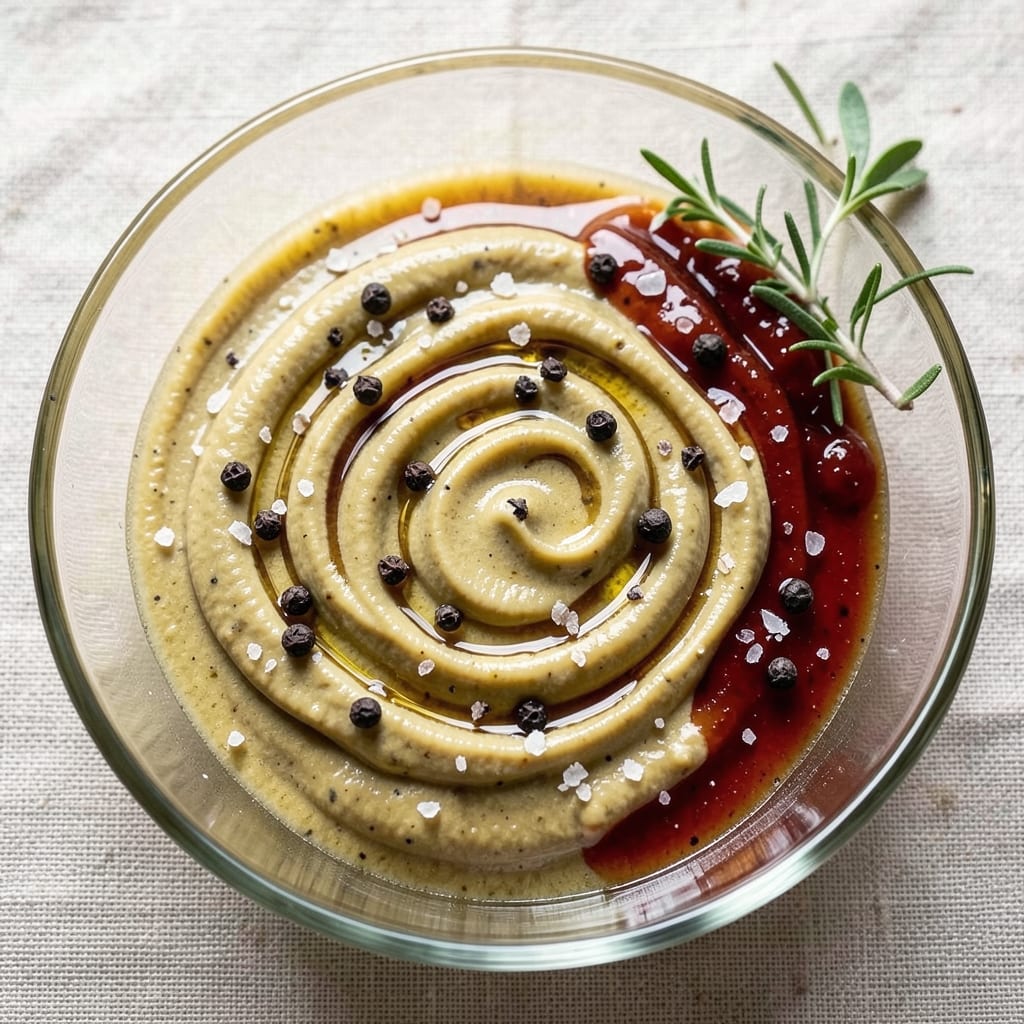
This apple cider vinegar and olive oil salad dressing recipe transforms simple greens into vibrant, tangy bites that wake up every salad. The bright acidity of apple cider vinegar cuts through rich ingredients while extra-virgin olive oil adds a velvety richness that elevates even the humblest greens. I developed this dressing after years of testing—it's the perfect balance of sharp, sweet, and savory that clings beautifully to leaves without overpowering them.
The beauty of this dressing lies in its simplicity: just three core ingredients—apple cider vinegar, olive oil, and a touch of sweetener—create a foundation you can customize endlessly. For extra depth, I recommend adding Dijon mustard to help emulsify the dressing and give it a subtle kick, while a pinch of salt and black pepper rounds out the flavors. The result is a dressing that's bright enough for peppery arugula but versatile enough for hearty kale or mixed greens.
What makes this recipe truly special is how it enhances rather than dominates your salad. The apple cider vinegar provides a crisp tang that brightens every bite, while the olive oil adds a luxurious mouthfeel that makes even simple greens feel like a gourmet experience. This dressing isn't just for salads—it's perfect for drizzling over roasted vegetables, grain bowls, or even as a marinade for grilled chicken.
With just five minutes of prep time and ingredients you likely already have on hand, this dressing comes together faster than you can chop lettuce. Store it in the refrigerator for up to two weeks, shaking gently before each use to redistribute the flavors. The longer it sits, the more complex the taste becomes—proof that simple ingredients can deliver restaurant-quality results at home.
Ingredients for apple cider vinegar and olive oil salad dressing
Six simple ingredients transform into a dressing that brightens every bite of greens.
| Ingredient | Amount | Notes |
|---|---|---|
| Apple Cider Vinegar 🍏 | ½ cup | Raw, unfiltered preferred |
| Extra-Virgin Olive Oil 🫒 | ¾ cup | High-quality, fruity variety |
| Maple Syrup 🍁 | 2 tbsp | Grade B for richer flavor |
| Dijon Mustard 🌿 | 1 tbsp | For emulsification and depth |
| Sea Salt 🧂 | ½ tsp | Fine grain preferred |
| Freshly Ground Black Pepper 🌶️ | ¼ tsp | Freshly cracked for aroma |
| Garlic Cloves 🧄 | 1 clove | Minced for subtle flavor |
The apple cider vinegar is the heart of this dressing—raw, unfiltered varieties have more depth and complexity. Bragg or Texas Pete are solid choices, but any organic brand works. The extra-virgin olive oil should be fruity and peppery—California-based brands like Corto or Otto deliver that bright flavor. Maple syrup adds just enough sweetness to balance the acidity, so Grade B (the darker, richer variety) is ideal if you want that caramel-like note. For the mustard, Grey Poupon is reliable, but any good-quality Dijon will work.
No Dijon mustard? Yellow mustard thinned with water works in a pinch, though it lacks the same depth. Short on maple syrup? Agave nectar or honey substitute—though honey isn’t vegan, so agave is the best plant-based alternative. The garlic clove can be skipped if you prefer a milder dressing, but it adds a lovely aromatic backbone. For extra tang, add lemon juice at half the maple syrup amount. If you want to make this ahead, store the vinegar and oil separately until ready to use—this prevents the dressing from separating.
This dressing keeps beautifully in the fridge for up to two weeks, though the flavors deepen after 3-4 days. Shake gently before each use to redistribute the oil. For longer storage, transfer to a clean glass jar and keep it sealed. The dressing works wonders on salads, but it’s also perfect for drizzling over roasted vegetables or as a marinade for tofu or tempeh. Double the batch—you’ll want to make it again.
Why You'll Love This Recipe
- Five-Ingredient Magic: I swear by this combo—just shake, taste, adjust. No measuring cups, no fuss, no waiting for anything to cool. The Dijon mustard and maple syrup blend instantly into something smooth and tangy, like a hug for your greens.
- Sweet-Tart Balance: That first bite? The apple cider vinegar cuts through the richness of the olive oil, while the maple syrup softens the edge—just enough to make it addictive. Honestly, I’ve never met a salad dressing that nails this contrast better.
- Meal Prep MVP: This dressing keeps for weeks in the fridge, and it’s the secret to my lazy Sundays. Drizzle it on overnight oats, toss it with roasted veggies, or even use it as a marinade—it’s my go-to for when I don’t want to think.
- Budget Brightener: Extra-virgin olive oil and apple cider vinegar are pantry staples, and a little maple syrup goes a long way. Between us, this is how I make $8 worth of ingredients taste like a $20 restaurant dressing—no lie.
Step-by-step instructions for apple cider vinegar and olive oil salad dressing
Here's how to blend a perfectly balanced dressing with vibrant acidity and rich texture.
Whisk Vinegar and Sweetener Together
In a medium bowl, combine the 0.5 cup apple cider vinegar and 2 tablespoons maple syrup. Whisk vigorously for 30 seconds until the syrup fully dissolves and the mixture becomes homogeneous. This step ensures the sweetness integrates completely with the tangy vinegar base.
I like to use a small whisk for this initial stage—it gives me better control to prevent splashing. The mixture should look like a pale amber liquid with no visible syrup streaks. This combination creates the perfect balance of sweet and acidic notes that will form the dressing's foundation.
Incorporate Mustard and Garlic
Add the 1 tablespoon Dijon mustard and 1 minced garlic clove to the vinegar mixture. Whisk continuously for 1 minute until the mustard is completely emulsified and the garlic is fully distributed. The mustard acts as our emulsifier, helping to bind the oil later.
Here's the thing—don't rush this step. The mustard needs time to break down and create tiny particles that will help stabilize our oil later. You'll notice the mixture thicken slightly as you whisk, which is exactly what we want. This is the moment that matters: proper emulsification starts here.
Season with Salt and Pepper
Add the 0.5 teaspoon sea salt and 0.25 teaspoon freshly ground black pepper to the mixture. Whisk for another 15 seconds until the salt dissolves completely and the pepper is evenly dispersed. The salt enhances all flavors while the pepper adds subtle heat that will complement the dressing's complexity.
I always use freshly ground black pepper for this recipe because pre-ground pepper loses its aromatic oils quickly. The pepper should be finely distributed throughout the mixture—you shouldn't see any visible flecks. This seasoning step transforms our basic mixture into a properly seasoned base ready for the final oil addition.
Gradually Add Olive Oil for Emulsion
With the whisk still in the bowl, very slowly drizzle in the 0.75 cup extra-virgin olive oil while whisking continuously. Add the oil at a rate of about 1 tablespoon every 5 seconds to prevent the mixture from breaking. This gradual addition is crucial for creating a stable emulsion.
Watch for the moment when the dressing begins to thicken and coat the back of the spoon—that's your signal that the emulsion is working. If you add the oil too quickly, you'll end up with a separated dressing. The final texture should be creamy yet pourable, with no visible oil separation.
Taste and Adjust for Balance
Taste the dressing immediately after whisking. At this stage, you might find it needs more sweetness, acidity, or salt. If needed, adjust by adding small amounts of maple syrup, apple cider vinegar, or salt—1 teaspoon at a time. Remember that the flavors will mellow slightly as the dressing sits, so err on the side of slightly more acidity if you're unsure.
This dressing should have a bright, tangy zing that cuts through rich ingredients while maintaining a smooth, velvety texture. The perfect balance should make your taste buds dance with both sweet and sour notes. Once you've achieved the right flavor profile, transfer the dressing to a clean jar and let it rest for 10 minutes before using—this allows the flavors to fully meld.
Pro Tips For Making Apple Cider Vinegar And Olive Oil Salad Dressing
- STIR VIGOROUSLY AFTER SALTING: The first 10 seconds of mixing matter most—add the salt before the olive oil, then stir like you’re trying to dissolve sugar in iced tea. The salt needs to emulsify with the mustard and vinegar first, or you’ll end up with a split dressing where the oil just floats on top.
- USE COLD INGREDIENTS: I learned this the hard way—warm olive oil or maple syrup makes the dressing separate faster. Grab the olive oil from the fridge (yes, even in summer) and let the maple syrup sit in the fridge for 10 minutes before measuring. Cold ingredients stay emulsified longer, especially if you’re making this ahead.
- MEASURE VINEGAR FIRST: Skip the guesswork: pour the apple cider vinegar into your jar before adding anything else. It’s the liquid base that everything else dissolves into, and if you add oil first, you’ll end up with a clumpy mess. Trust me, this small step saves you from scraping stuck mustard off the sides later.
- EMULSIFY WITH A FORK: No blender? No problem. After mixing, grab a fork and vigorously whisk the dressing for 30 seconds—this breaks up the oil droplets and makes the mustard blend smoother. I used to just shake it, but this method actually changes the texture, giving it that silky, restaurant-quality finish.
Pro cooking tips for this dish
Emulsification Secrets
The key to a creamy dressing lies in proper emulsification. Dijon mustard acts as a natural emulsifier, but you need to work with it. Whisk the vinegar and mustard mixture for at least 1 minute before adding oil—this creates tiny mustard particles that bind fat and water. I use a Ball Mason jar with lid for this step: just shake vigorously for 30 seconds before adding oil. This method is foolproof for beginners and creates a stable emulsion every time. 💫
Oil Addition Rate
Adding oil too quickly is the #1 reason dressings separate. Pour the 0.75 cup olive oil at a rate of 1 tablespoon every 5 seconds while whisking continuously. For even better control, use a measuring spoon to portion the oil and add it drop by drop if needed. The dressing should thicken noticeably as you add the oil—this is your signal that the emulsion is working. If it looks too thin, whisk for another 30 seconds to help stabilize it.
Temperature Matters
Room-temperature ingredients emulsify better than cold ones. Let your vinegar, oil, and sweetener sit at room temperature for 10 minutes before mixing. I keep my olive oil bottle in the pantry and vinegar on the counter for this reason. Cold oil creates a thicker, more stable emulsion initially, but room-temperature oil creates a smoother, more velvety texture that clings beautifully to greens. Just don't let anything get too warm—above 75°F can cause separation.
Storage Hacks
Store your dressing in a glass jar with an airtight lid at fridge temperature (40°F or below). The vinegar helps preserve it for up to 2 weeks, but I've kept mine for 3 weeks without issues. For longer storage, add 1 extra teaspoon of vinegar per cup of dressing to extend freshness. Always shake gently before using—this redistributes the oil without breaking the emulsion. Pro tip: Use a mason jar with a wide mouth for easier shaking and pouring.
Flavor Layering
For maximum depth, let the dressing rest for 10 minutes before using. This allows the flavors to meld completely. I like to make a double batch and store it in the fridge—this way, I always have perfectly balanced dressing ready. The longer it sits, the more complex the taste becomes as the acidity mellows slightly and the sweetness becomes more pronounced. This is why restaurant-quality dressings often taste better after sitting for a few days. 🌟
Troubleshooting Tips
If your dressing separates, don't panic. Simply whisk vigorously for 1 minute to re-emulsify it. For stubborn separation, add 1 teaspoon of Dijon mustard and whisk again. If it's too thin, reduce it by simmering gently in a small saucepan for 2-3 minutes (stirring constantly) until it thickens slightly. Too thick? Thin with 1 teaspoon of water or vinegar at a time until you reach the desired consistency. Most dressings can be saved with these simple fixes!
Nutrition facts
Frequently asked questions
Can I make this dressing without Dijon mustard?
Yes! If you don't have Dijon mustard, use 1 tablespoon yellow mustard thinned with 1 teaspoon water instead. For a vegan option, try 1 teaspoon ground flaxseed mixed with 2 tablespoons water (let it sit for 5 minutes to thicken). The mustard helps emulsify the dressing, so if you skip it, add the oil very slowly while whisking continuously.
Why did my dressing separate?
Dressings separate when oil and vinegar aren't properly emulsified. Whisk vigorously for 1 minute to re-combine them. For stubborn separation, add ½ teaspoon more Dijon mustard and whisk again. Always store dressing in a glass jar (not plastic) and shake gently before each use to prevent future separation.
What are the best greens to use with this dressing?
This bright dressing works beautifully with peppery greens like arugula or watercress, but it's also perfect for heartier options like kale or spinach. For extra flavor, try adding shaved fennel, radicchio, or butter lettuce. The tangy sweetness balances the bitterness of greens beautifully while clinging to leaves.
Can I use this dressing on non-salad dishes?
This versatile dressing elevates roasted vegetables, grain bowls, and even grilled meats like chicken or tofu. For meats, reduce the sweetener to 1 tablespoon to prevent overpowering flavors. It also makes a fantastic marinade—just add 1 tablespoon soy sauce or tahini for extra depth before using.
How do I adjust the flavor if it's too sweet or sour?
For a sweeter dressing, add ½ teaspoon more maple syrup at a time. If it's too sour, balance it with ½ teaspoon more sweetener or a pinch of salt. For extra depth, add ½ teaspoon lemon juice (to reduce sourness) or ½ teaspoon honey (for vegan versions, use agave). Always taste as you go!