
Desserts
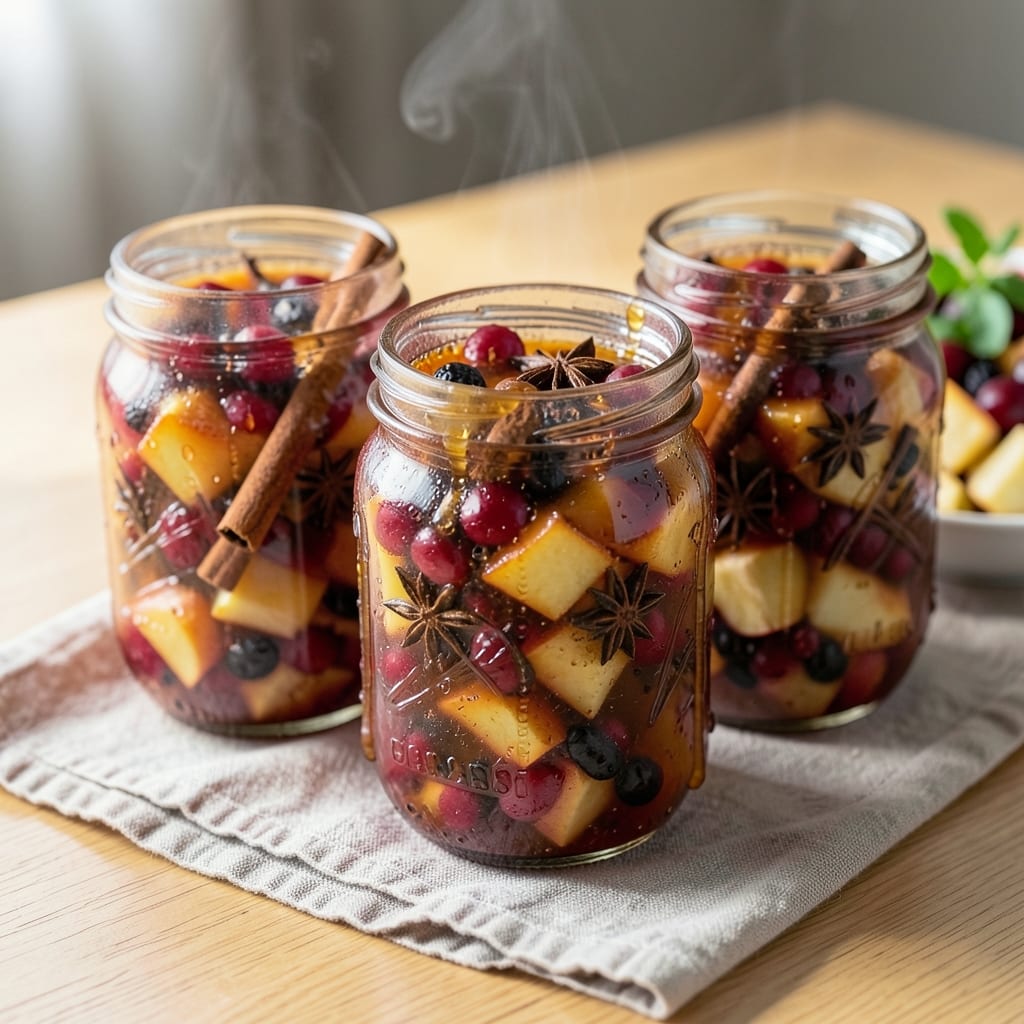
This apple cranberry chutney canning recipe transforms seasonal fruit into pantry gold with just 30 minutes of simmering and a few essential canning steps. The perfect balance of tart cranberries, sweet apples, and warm spices creates a versatile condiment that elevates everything from cheese boards to roasted meats. Traditional vinegar preservation meets modern convenience, ensuring your chutney stays vibrant and safe for months.
What sets this recipe apart is its foolproof canning method, designed for both beginners and seasoned preservers. We’ll cover sterilization techniques, proper filling, and sealing to guarantee a shelf life of up to 12 months—without compromising flavor or safety. The spices, carefully measured, infuse the chutney with depth while the slow simmer develops a rich, jammy texture that’s neither too sweet nor too tart.
By the time you’re done, you’ll have jars of restaurant-quality chutney that double as gifts or pantry staples. The cranberries add a bright tang, the apples bring natural sweetness, and the spices—cinnamon, cloves, and allspice—tie it all together in a way that’s both nostalgic and sophisticated. This isn’t just a condiment; it’s a year-round flavor foundation.
The beauty of this recipe lies in its versatility. Use it as a glaze for ham, a topping for cheese, or a dip for crackers. The canning process ensures you’ll always have it on hand, ready to transform ordinary meals into something extraordinary. Let’s get started with the ingredients and techniques that make this chutney a pantry essential.
Ingredients for apple cranberry chutney canning
Pantry staples meet seasonal fruit for a chutney that bridges tradition and modern convenience.
| Ingredient | Amount | Notes |
|---|---|---|
| Granny Smith Apples 🍎 | 3 lb | Peeled, cored, diced into small pieces |
| Fresh Cranberries 🍇 | 1 ½ lb | Rinsed, stems removed |
| White Vinegar 💧 | 1 cup | White or apple cider vinegar |
| Granulated Sugar 🍚 | 1 ½ cups | Light or dark brown sugar preferred |
| Ground Cinnamon 🌿 | 1 ½ tbsp | Freshly ground for best flavor |
| Whole Cloves 🌶️ | 1 tsp | Whole, not ground |
| Ground Allspice 🌶️ | ½ tsp | For warm complexity |
| Salt 🧂 | 1 tsp | Diamond Crystal preferred |
| Fresh Ginger 🌿 | ½ inch | Peeled, thinly sliced |
| Water 💧 | 1 cup | Filtered preferred |
The apples and cranberries are the heart of this chutney, so prioritize quality. Granny Smith apples provide the right tartness, while fresh cranberries (not dried or frozen) deliver vibrant acidity. For apples, organic varieties from seasonal farmers markets often have better flavor. Rinse cranberries thoroughly to remove any dirt or debris from the stems. The ginger should be fresh and aromatic—no powdered substitutes here. For spices, Penzeys or Spicewalla offer premium quality, but store-bought ground spices work fine if they're recent purchases. The vinegar is non-negotiable for preservation, so use white vinegar or apple cider vinegar—avoid balsamic or wine vinegars which will alter the flavor profile.
No Granny Smith apples? Honeycrisp or Fuji work in a pinch, though they'll be slightly sweeter. Substitute dried cranberries at half the amount, but expect less vibrant color. Running low on whole cloves? Ground cloves at one-quarter the amount will work, though texture will differ. The sugar can be swapped for honey or maple syrup, but reduce by 1 tbsp to account for moisture differences. For a deeper spice profile, add a pinch of black pepper or cardamom. The water can be replaced with cranberry juice for extra tartness, though it will slightly alter the texture. If you're making this in summer when fresh cranberries aren't available, frozen cranberries work perfectly—just don't thaw them before adding.
Store unopened jars in a cool, dark place for up to 12 months, though the flavor peaks at 6 months. Once opened, refrigerate and consume within 3 months. The chutney thickens as it sits, so add a splash of water if it becomes too stiff. For gift-giving, use amber or cobalt glass jars which protect from light. Label with the date and contents—this isn't just a condiment, it's a year-round flavor investment. The canning process ensures safety, but always check seals are intact before each use. For best results, use within 1 year of canning, though properly preserved batches often last longer.
Why You'll Love This Recipe
- No Chopping Chaos: I swear by my mandoline here—just slice the apples and cranberries, toss them in, and let the pot do the work. Honestly, the hardest part’s peeling the apples, and even that’s optional if you’re in a hurry.
- Sweet-Tart Magic: That first bite? Tart cranberries kiss the crisp bite of Granny Smith apples, then sugar and cinnamon wrap it all in warm, spiced hug. It’s the kind of flavor that makes you reach for the jar mid-morning, no guilt.
- Holiday & Beyond: Slather it on turkey, dollop it with cheese, or just eat it with crackers—it’s my go-to for Thanksgiving, but I keep a jar in the fridge all year. Between us, it’s the secret weapon that turns boring lunches into something special.
- Pantry Goldmine: A few jars of this mean no more last-minute store runs for fancy spreads. I make a big batch in fall, and by winter, I’m opening one every week. Plus, the vinegar keeps it shelf-stable—no waste, just flavor.
Step-by-step instructions for preserving apple cranberry chutney
Transforming fresh ingredients into shelf-stable chutney requires precision and patience.
Sterilize Jars and Prepare Ingredients
Begin by washing 4 quart-sized canning jars and their lids in hot, soapy water. Place the jars in a pot of water and bring to a boil for 10 minutes to sterilize. Keep them hot until ready to fill. Meanwhile, peel, core, and dice the 3 lb Granny Smith apples into small, even pieces—about ½-inch cubes. Rinse the 1.5 lb fresh cranberries and remove stems, then chop them roughly.
Peel the 0.5-inch fresh ginger and slice it thinly. Measure out all spices: 1.5 tbsp ground cinnamon, 1 tsp whole cloves, 0.5 tsp ground allspice, and 1 tsp salt. Having everything prepped ensures a smooth cooking process. I like to use a fine-mesh strainer to remove any cranberry stems that might have slipped through during rinsing—this keeps the chutney looking clean and professional.
Simmer the Fruit Mixture
In a large, heavy-bottomed pot, combine the diced apples, cranberries, sliced ginger, and 1 cup water. Bring to a boil over medium-high heat, then reduce to a simmer and cook for 10 minutes until the apples begin to soften and release their juices. You'll notice the mixture reduces slightly and the cranberries start to burst, releasing their tart flavor.
After 10 minutes, stir in the 1.5 cups granulated sugar and 1 cup white vinegar. This is where the magic happens—the sugar will begin to dissolve while the vinegar helps preserve the chutney. Add the spices and bring the mixture back to a full boil, then reduce heat to medium-low and let it simmer uncovered for 45-50 minutes. You're looking for a thick, jam-like consistency where the mixture coats the back of a spoon. If it thickens too quickly, add 1-2 tablespoons of water to maintain the right texture.
Test for Gel and Fill Jars
To test for proper gel, place a small spoonful of the chutney on a chilled plate and refrigerate for 5 minutes. If it wrinkles slightly when pushed with your finger, it's ready. If not, simmer for another 5-10 minutes and retest. Once it passes, carefully ladle the hot chutney into the sterilized jars, leaving ½-inch headspace at the top. Use a clean spoon or spatula to remove any air bubbles.
Wipe the rims of the jars with a damp cloth to ensure a clean seal. Place the lids on the jars and screw on the bands until they're fingertip-tight. Transfer the jars to a canning pot filled with 2-3 inches of hot water, ensuring the water covers the jars by at least 1 inch. Bring to a boil and process for 15 minutes for quart-sized jars. This step ensures the chutney is properly preserved and safe to store.
Cool and Store the Chutney
Remove the jars from the canning pot and let them cool on a towel-lined counter for 12 hours. After cooling, check the seals by pressing the center of each lid—if it doesn't pop back, the jar is sealed. Store the chutney in a cool, dark place for up to 1 year. The flavors will continue to meld and deepen over time, making it even more delicious.
Once sealed, your chutney is ready to enhance sandwiches, pair with cheeses, or spread on crackers. The balance of sweet apples, tart cranberries, and warm spices creates a versatile pantry staple that's perfect for gifting or enjoying year-round. If you notice any jars that didn't seal properly, refrigerate and consume within 1 week.
Pro Tips For Making Apple Cranberry Chutney Canning
- CHOP APPLES SMALL: Granny Smiths stay crunchy and cook unevenly if you cut them into big chunks—aim for ¼-inch dice. I learned this the hard way when my first batch had mushy apple bits floating in a sea of cranberry mush. A food processor with the pulse function saves time here, but don’t skip the knife for the last bit—it ensures even cooking and a smoother texture.
- PEEL CRANBERRIES FIRST: Fresh cranberries are tough little devils, and their skins take forever to soften. Strip them bare before cooking—just slice off the tops, pop them in boiling water for 30 seconds, then rub between your fingers to peel. Sounds weird, but it works: you’ll get a silky-smooth chutney instead of a chunky one, and the flavor concentrates faster. (Yes, even if you’re impatient like me.)
- SIMMER NOT BOIL: This isn’t a race. Once the sugar dissolves and the mixture thickens, drop the heat to a bare simmer—think tiny bubbles at the edges, not a rolling boil. I used to crank it up high to hurry things, but that turns the apples into glue and makes the vinegar taste harsh. Low and slow (20-25 minutes) keeps the apples tender without turning the chutney into syrup.
- ADD VINEGAR LAST: Vinegar’s job is to preserve, not cook. Stir it in during the final 5 minutes of simmering—this keeps the bright acidity intact instead of mellowing it into oblivion. If you add it early, you’ll end up with a chutney that tastes more like diluted cranberry juice. (Your future self will thank you when you’re eating jars in winter and it still packs a punch.)
Essential equipment for apple cranberry chutney canning
Canning Pot Essentials
Your canning pot is the heart of this process—I recommend a Ball Mason Jar Lifter Canner for even heat distribution. This 8-quart stainless steel pot fits quart jars perfectly and heats up faster than enameled models. For budget options, a large stockpot with a canning rack works, but ensure it’s deep enough for 2-3 inches of water coverage. Avoid aluminum pots—they react with acidic ingredients like vinegar. 🔥
Jar Selection Guide
Use quart-sized canning jars with new lids and bands—never reuse lids. I prefer Ball or Kerr jars for their airtight seals and durability. For aesthetic appeal, amber or cobalt glass jars protect the chutney from light degradation. Label each jar with the date using a permanent marker—this helps track freshness. Pro tip: Store extra lids in a cool, dry place to maintain their sealing ability.
Spice Grinder Must-Have
A high-quality spice grinder like the Penzeys Spice Mill ensures freshly ground cinnamon and allspice for peak flavor. Whole spices lose potency quickly, so grinding them fresh right before canning makes a noticeable difference. For whole cloves, a mortar and pestle works if you prefer to crush them individually. Avoid pre-ground spices—they often contain fillers that alter texture and shelf life. 🌶️
Headspace Tool Kit
Leave ½-inch headspace in each jar to prevent overflow during processing. Use a magnetic headspace gauge or a jar-filling funnel with measurement markings to maintain consistency. I keep a clean wooden spoon nearby to remove air bubbles—tap the jar gently against the counter to help them rise. For precise filling, a canning funnel with a spout makes the process smoother and mess-free.
Thermometer for Safety
A candy or canning thermometer is non-negotiable. The Thermoworks Thermapen gives instant readings to monitor the chutney’s gel stage (around 220°F) and the water bath’s temperature (212°F). This ensures proper sterilization and prevents under- or over-processing. Without a thermometer, you risk unsafe storage or mushy texture. 🌡️
Storage Solutions
Store sealed jars in a cool, dark pantry (ideally 50-70°F) to preserve flavor and color. A wire rack keeps jars off direct contact with shelves, allowing airflow. For gifting, use gift boxes with custom labels—add a ribbon and a handwritten note for a personal touch. Unopened jars last 12 months; once opened, refrigerate and consume within 3 months. Rotate older jars first to maintain freshness.
Nutrition facts
Frequently asked questions about apple cranberry chutney canning
Can I substitute dried cranberries for fresh?
Yes, but expect a slightly different texture and color. Use ½ lb dried cranberries (not sweetened) and soak them in 1 cup hot water for 15 minutes before adding to the recipe. Drain well before mixing with other ingredients. The chutney will be less vibrant but still delicious. For best results, stick with fresh cranberries when possible—they provide that signature bright tartness.
How do I know when the chutney is thick enough?
Test for doneness by placing a small spoonful on a chilled plate and refrigerating for 5 minutes. Push gently with your finger—if it wrinkles slightly, it's ready. If not, simmer for another 5-10 minutes and retest. The chutney should coat the back of a spoon smoothly without being gluey. Overcooking can make it too stiff, so monitor closely during the final 10 minutes of simmering.
What if my jars don't seal properly?
If a jar doesn't seal (lid pops up when pressed), refrigerate and use within 1 week. Check for proper headspace (½-inch) and clean jar rims before sealing. Reprocess unsealed jars immediately—don't wait. For future batches, ensure your canning pot maintains a steady boil for the full 15 minutes processing time. A thermometer helps verify water reaches 212°F.
Can I make this chutney without vinegar?
Vinegar is essential for safe preservation, but you can reduce the amount to ½ cup if you prefer. Replace the remaining ½ cup with extra lemon juice (about 2-3 lemons) for acidity. However, this may slightly alter the flavor profile. The vinegar helps balance sweetness and extends shelf life, so don't skip it entirely unless you're refrigerating the chutney for short-term use.
How can I use this chutney beyond sandwiches?
This versatile chutney elevates so much more! Use it as a glaze for ham or pork roasts, a topping for aged cheeses like cheddar or gouda, or a dip for crackers and brie. Stir it into yogurt or oatmeal for breakfast, or drizzle over grilled chicken or fish. The warm spices make it perfect for holiday meals too—try pairing it with turkey or stuffing. Get creative with 3-4 tablespoons per serving as a starting point.