
Desserts
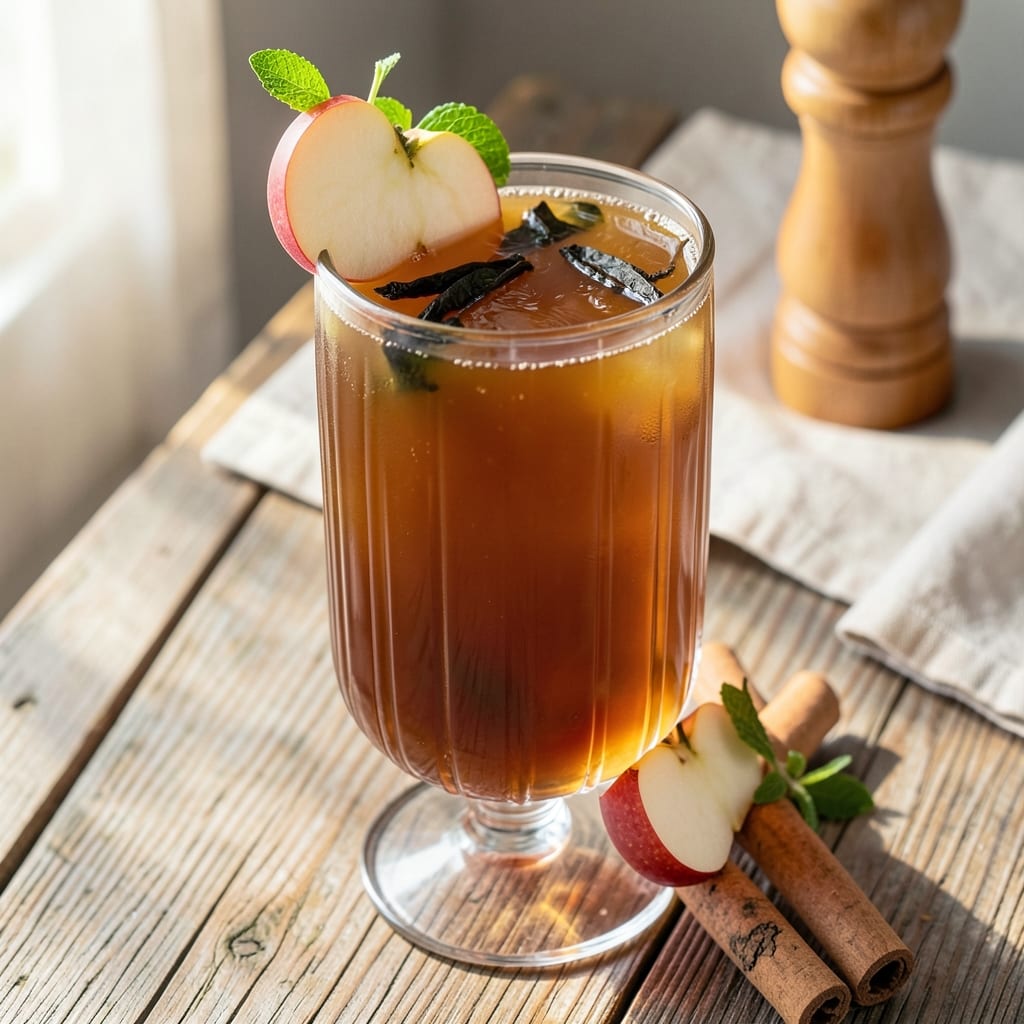
This apple cinnamon kombucha recipe transforms a simple fermented drink into a warm, spiced elixir that tastes like autumn in a bottle. 🌟 The magic happens when fresh apple slices and cinnamon sticks infuse the tangy probiotic base, creating a refreshing yet cozy beverage that’s perfect for any season. Unlike store-bought versions, this homemade batch delivers bold, natural flavors and all the gut-friendly benefits of fermentation.
Fermentation is the star here, turning sweetened tea into a lively, effervescent drink packed with probiotics. The process takes 7–14 days, depending on your climate, but the wait is worth it for that perfect balance of tartness and sweetness. Apple slices add a subtle tartness, while cinnamon brings warmth—no artificial flavors needed. This recipe is vegan, gluten-free, and endlessly customizable, making it a standout for health-conscious drinkers.
What you’ll end up with is a crisp, fizzy drink that’s as functional as it is delicious—great for digestion, hydration, and satisfying your sweet tooth without refined sugar. The best part? You can adjust the sweetness to taste, add herbs like mint, or even carbonate it further for extra fizz. Whether you’re a fermentation newbie or a seasoned SCOBY grower, this recipe delivers restaurant-quality results at home.
Safety is key with fermentation, so we’ll cover how to spot a successful batch (and when to toss it). Store your kombucha in the fridge once fermented, and enjoy it within 2–3 weeks for peak flavor. Let’s get brewing!
Ingredients for apple cinnamon kombucha
Nine ingredients transform into a tangy, spiced elixir bursting with autumn warmth and gut-friendly fizz.
| Ingredient | Amount | Notes |
|---|---|---|
| Organic Green Tea ☕ | 4 tbsp | Loose-leaf preferred for stronger flavor |
| Organic Black Tea ☕ | 4 tbsp | Balances green tea's grassiness |
| Filtered Water 💧 | 4 cups | Room temperature for best results |
| Raw Organic Cane Sugar 🍯 | ½ cup | Lightly packed, no substitutes |
| Fresh Apple Slices 🍎 | 2 cups | Organic, unpeeled, 1/4-inch thick |
| Cinnamon Sticks 🌿 | 4 whole | Ceylon variety preferred for delicate flavor |
| Active Kombucha SCOBY 🍶 | 1 whole | Healthy, no holes or discoloration |
| Starter Kombucha Liquid 🍶 | ½ cup | From previous batch or store-bought |
| Unfiltered Apple Cider Vinegar 🍏 | 1 tbsp | For pH balance and probiotics |
| Sea Salt 🧂 | ¼ tsp | Fine grain, non-iodized |
| Vanilla Bean Extract 🌸 | ½ tsp | Pure, no alcohol additives |
The tea blend is your flavor foundation—organic loose-leaf makes all the difference here. Whole Foods or local tea shops carry the best quality, but any reputable grocery store works. For the apples, organic is key (no wax residue), and Honeycrisp or Fuji varieties hold up best during fermentation. Cinnamon sticks should be whole and free of powder—Penzeys or Spicewalla sell premium varieties. The SCOBY is the heart of fermentation, so always use a healthy one with no slimy spots or off smells. If you're new to kombucha, store-bought plain kombucha works as a starter liquid, but avoid flavored versions with additives.
No organic apples? Conventional apples with skins scrubbed well still work, but avoid red waxy varieties. Running short on cinnamon? Ground cinnamon at half the amount is fine, but sticks infuse better. The vanilla extract can be swapped for 1 tsp vanilla bean paste if you want extra richness. For the tea, jasmine green tea adds floral notes, while Earl Grey brings citrus. The sugar is non-negotiable—no artificial sweeteners here. If you're concerned about sugar content, reduce to 1/3 cup and adjust sweetness later. The apple cider vinegar is crucial for pH balance, so don't skip it—Bragg or local raw ACV are best options.
Fresh apple slices should be prepped right before brewing—cut into even 1/4-inch slices to ensure consistent fermentation. Store your SCOBY in a jar with 1 cup starter liquid between batches to keep it happy. The first fermentation takes 7–10 days at room temperature, then transfer to the fridge for 2–3 weeks of secondary fermentation. Taste daily after the first week—when it hits your sweet spot, bottle it up. Unused SCOBY keeps indefinitely in starter liquid in the fridge, and you'll grow a new one with each batch. This drink improves with age, so don't rush it!
Why You'll Love This Recipe
- No-Fuss Fermentation: I swear by this—just steep the teas, toss in apple slices, and let time do the work. No fancy equipment, no stress, and honestly? The hardest part is waiting for the bubbles.
- Warm Spice Magic: That first sip hits like autumn in a glass—bright apple, cozy cinnamon wafting up from the tea blend. The raw cane sugar caramelizes just enough to make it taste like you simmered it for hours (but you didn’t).
- Office Party Star: Bring a batch to work and watch it disappear. It’s fancy enough for holiday gatherings but simple enough to make midweek when you’re craving something special. (Yes, even on a Tuesday night.)
- Budget Booster: Tea and apples are cheap, and this recipe stretches into weeks. I’ve had a batch last me through three workweeks—plus, the second fermentation (if you do it) turns it into a party drink for pennies.
Step-by-step instructions for apple cinnamon kombucha
Transform simple ingredients into effervescent, spiced kombucha with this foolproof fermentation method.
👨🍳 Step 1: Prepare the Sweetened Tea Base
In a large glass jar or fermentation vessel, combine the 4 tbsp Organic Green Tea and 4 tbsp Organic Black Tea with the 4 cups Filtered Water. Bring this mixture to a boil in a separate pot, then remove from heat and steep for 10 minutes. This dual-tea blend creates a balanced flavor foundation that prevents grassy notes from dominating.
While still warm, whisk in the 0.5 cup Raw Organic Cane Sugar until fully dissolved. Add the 2 cups Fresh Apple Slices and 4 whole Cinnamon Sticks, then pour the mixture back into your clean fermentation vessel. Let it cool to room temperature—this prevents overheating your SCOBY later. The apple slices should be fully submerged, and you should see cinnamon sticks floating freely.
🥘 Step 2: Add Probiotic Starters and Acidify
Once the tea mixture has cooled to 70-75°F, add the 1 whole Active Kombucha SCOBY, 0.5 cup Starter Kombucha Liquid, 1 tbsp Unfiltered Apple Cider Vinegar, 0.25 tsp Sea Salt, and 0.5 tsp Vanilla Bean Extract. Stir gently but thoroughly to distribute the SCOBY and prevent it from sticking to the sides. The vinegar helps establish proper pH balance right from the start, which is crucial for safe fermentation.
Cover the jar loosely with a clean cloth or coffee filter secured with a rubber band. This allows airflow for the SCOBY while keeping out fruit flies. Place in a dark spot at room temperature (68-72°F)—consistent warmth is key. You'll see bubbles forming within 12-24 hours, indicating active fermentation has begun. This is your first sign that the probiotics are working their magic.
⏰ Step 3: Ferment for 7-10 Days
Ferment for 7-10 days, checking daily for signs of activity. You'll know it's ready when the liquid is fizzy and slightly tart, with the apple slices softening and cinnamon sticks releasing their aroma. Taste after 7 days—if it's still too sweet, ferment another 2-3 days. The SCOBY should rise to the surface, forming a thick, gel-like layer.
Here's the thing—temperature matters most. If your kitchen runs warm, ferment for the shorter time; if it's cool, extend to 10 days. The goal is 1.5-2% alcohol and a tangy, apple-cinnamon flavor. When you're happy with the taste, remove the SCOBY and fruit for your first batch, but save the liquid for a second fermentation or to start your next batch.
🥤 Step 4: Bottle and Carbonate (Second Fermentation)
Pour the fermented liquid into swing-top bottles, leaving 1-2 inches of headspace. Add 1-2 fresh apple slices and 1 cinnamon stick to each bottle for extra flavor. Seal tightly and let sit at room temperature for 24-48 hours to carbonate. You'll hear the satisfying pop of carbonation building—this is when the magic happens!
After 24 hours, check for firm seals and refrigerate immediately. The cold stops fermentation and preserves the effervescence. Let it chill for at least 4 hours before drinking. The longer it sits in the fridge, the more carbonated it becomes—think of it like charging a soda bottle. Serve over ice with a cinnamon stick garnish for that restaurant-quality touch.
Pro Tips For Making Apple Cinnamon Kombucha
- STEEP TEAS LONGER: The green and black tea blend needs 10-15 minutes in boiling water to fully release its tannins—don’t skimp. I used to stop at 5 minutes, and the final brew always tasted flat. Let it steep until the water turns a deep amber, then chill it fast to preserve the flavor.
- COOL QUICKLY: Dump your hot tea-apple mixture into an ice bath as soon as it’s done steeping. I learned this after my first batch cooled too slowly in the sink, and the apple slices turned mushy. A bowl of ice water does the job in under 5 minutes—no waiting around.
- PEEL APPLES LAST: Add whole apple slices (peels and all) to the tea mixture, but peel them right before drinking. The peels infuse a bitter edge that’s fine in kombucha but can overpower the sweetness if left too long. I now keep a small bowl of peeled slices on hand for serving.
- USE COLD STARTER: Skip the warm water when feeding your SCOBY—just use cold filtered water mixed with the sugar. My SCOBYs were sluggish until I switched, and now fermentation kicks off faster. The cold water also keeps the apple flavor from turning bitter during the process.
Pro cooking tips for this dish
Temperature Control
Fermentation thrives between 68-72°F—any warmer speeds up alcohol production (and risk of over-fermentation), while cooler temps slow it down. I keep my kombucha on the countertop during the day and move it to a cooler pantry at night if my kitchen runs hot. Use a digital thermometer to monitor—ThermoWorks makes a great one for fermentation. If your space is too cold, try a seedling heat mat on low under the jar for consistent warmth. 🌡️
SCOBY Care
Your SCOBY is delicate—handle it like you would a living organism because it is! Always use clean hands or utensils when touching it to prevent contamination. After each batch, store your SCOBY in a jar with 1 cup of starter liquid in the fridge. If it develops black spots or a foul smell, toss it and start fresh. I’ve had SCOBYs last years this way, growing thicker with each batch. Never reuse a SCOBY that’s been exposed to metal or harsh cleaners—stick to glass and mild soap. 🍶
Flavor Infusion
The apple slices and cinnamon sticks do most of their magic during the first 3 days of fermentation, so don’t skip adding them early. For deeper flavor, I like to lightly crush 1 cinnamon stick with a mortar and pestle before adding it to the jar. You can also add a pinch of cardamom or cloves for complexity. If you prefer sweeter kombucha, add 1 tsp vanilla extract during the second fermentation—it enhances the apple-cinnamon notes beautifully. 🌿
Carbonation Control
Second fermentation is where the fizz happens! For lighter carbonation, ferment bottles for just 24 hours at room temp. For extra bubbly kombucha, extend to 48 hours but check bottles frequently—over-carbonation can cause explosions (trust me, it’s messy). If you hear popping sounds, move bottles to the fridge immediately. I like to burp bottles daily by opening them for 10 seconds to release excess pressure. 🥤
Safety First
Always taste your kombucha before drinking—it should be tart, slightly sweet, and effervescent. If it smells yeasty, vinegary, or rotten, or has mold, toss it immediately. A healthy SCOBY looks grayish-white with a slightly jelly-like texture. If it floats too high or sinks completely, your fermentation might be off. I keep a pH strip kit handy to ensure the liquid stays between 2.5-3.5—this acidic range prevents harmful bacteria. Never drink kombucha that’s cloudy or has sediment at the bottom. ⚠️
Flavor Adjustments
Too tart? Add 1-2 tsp honey or maple syrup to your bottle before the second fermentation. Too sweet? Extend fermentation by 1-2 extra days or add a splash of lemon juice for brightness. For a spicier kick, add a pinch of cayenne or fresh ginger slices during the first ferment. I often experiment with peach slices or star anise for variation—just remember, stronger flavors need longer fermentation times. 🌶️
Nutrition facts
Frequently asked questions
Can I use store-bought kombucha as a starter instead of my own SCOBY?
Yes! Plain, unflavored store-bought kombucha works perfectly as a starter liquid, but avoid flavored versions with additives. Use ½ cup of plain kombucha along with your ½ cup starter liquid from a previous batch. This gives your fermentation the extra probiotics it needs to kickstart. Just make sure it's from a trusted brand like GT's or Health-Ade.
How do I know when my apple cinnamon kombucha is ready?
Your kombucha is ready when it tastes tart, slightly sweet, and effervescent—usually after 7-10 days of fermentation. Look for bubbles forming around the SCOBY and apple slices softening. Taste daily after 7 days—if it's still too sweet, let it ferment another 2-3 days. The SCOBY should float at the top with a jelly-like texture. If it smells yeasty or vinegary, it's over-fermented.
What can I do if my kombucha isn't fizzy enough?
For extra carbonation, extend the second fermentation in swing-top bottles for 48 hours—but check daily for popping sounds (sign of over-carbonation). If it's still flat, try adding 1 tsp apple cider vinegar—it helps kickstart the fizz. For future batches, ensure your SCOBY is healthy and your fermentation space is warm (68-72°F). Cold temps slow down carbonation.
Can I make this recipe without a SCOBY?
Not for traditional kombucha—SCOBYs are essential for fermentation. However, you can try a wild fermentation—use 1 cup plain kombucha—from a store or friend, plus 1 tbsp apple cider vinegar—to jumpstart probiotics. If you're new to fermentation, start with a SCOBY from a trusted source (like a local maker or online store) to ensure safety and success.
How long does homemade kombucha last in the fridge?
Properly fermented kombucha stays fresh for 2-3 weeks—but flavor peaks at 1 week. The longer it sits, the more carbonated it becomes. If it develops a sour, vinegary smell—**or mold, toss it immediately. Always store in airtight bottles and refrigerate after the second fermentation to preserve fizz and freshness.