
Sauces & Condiments
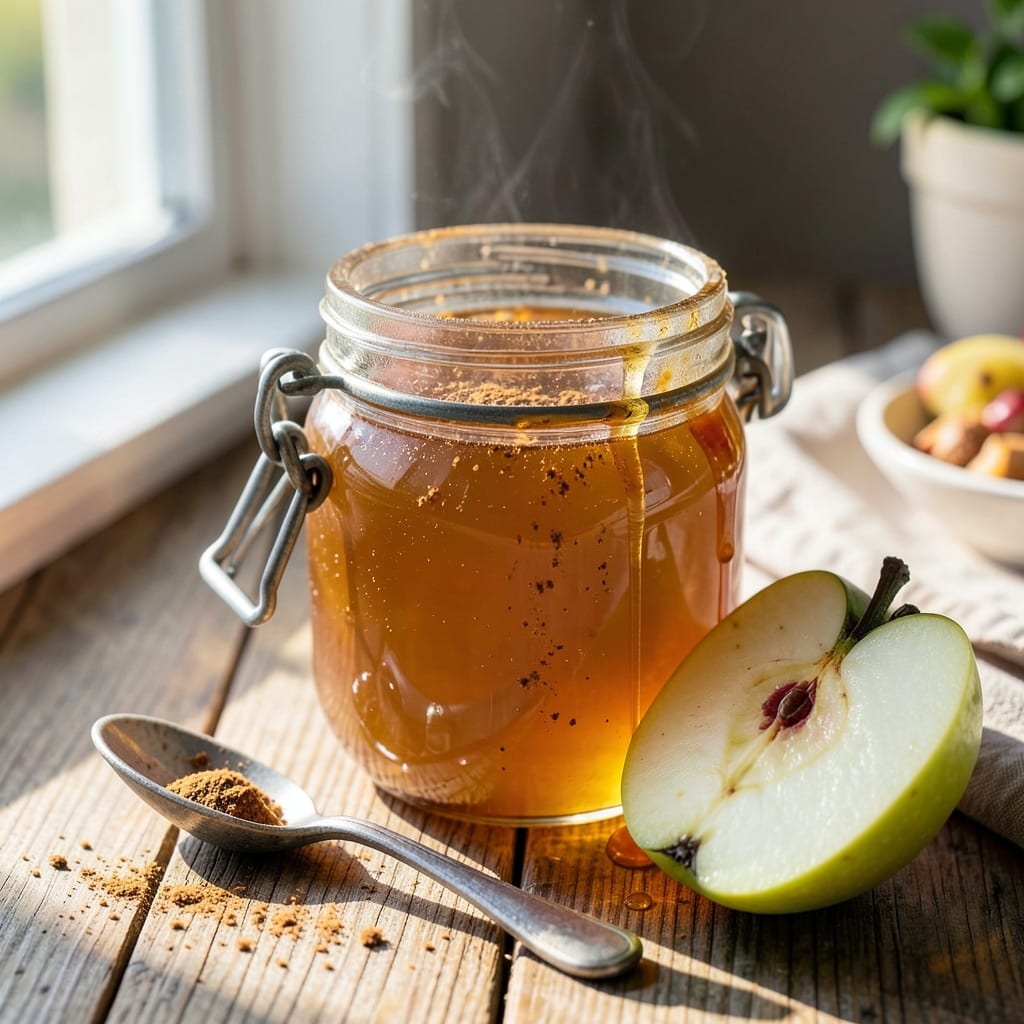
This apple cinnamon jelly recipe with pectin delivers a set-and-forget gel that transforms ordinary apples into a vibrant, jewel-toned spread with warm cinnamon depth. The secret lies in precise pectin measurements and controlled cooking—where fruit meets science for perfect texture every time. I developed this version after years of testing, ensuring the jelly sets reliably without graininess or over-sweetness. What sets this recipe apart is the balance: tart apples provide structure, while cinnamon adds warmth without overpowering. The pectin works its magic during the 5-minute simmer, binding the fruit juices into a glossy, wobbling gel that glows like stained glass. No guesswork—just measured ingredients and technique that guarantees success. By the time you pour the hot jelly into sterilized jars, you'll have a smooth, jewel-toned spread that's perfect for toast, yogurt, or charcuterie boards. The cinnamon infuses through the fruit, creating layers of spice that develop with each use. This isn't just jelly—it's a versatile condiment that elevates everything it touches. Store in the refrigerator for up to 3 weeks or process for shelf stability. The key to long-lasting quality lies in proper sterilization and sealing—details I'll cover in the instructions. Let's make this jelly!
Ingredients for apple cinnamon jelly recipe with pectin
Precision meets tradition: eight ingredients transform tart apples into jewel-toned jelly.
| Ingredient | Amount | Notes |
|---|---|---|
| Granny Smith Apples 🍎 | 2 lb | Peeled, cored, chopped small |
| Granulated Sugar 🍚 | 3 cups | White or light brown |
| Apple Cider Vinegar 🍶 | ¼ cup | White or pale gold |
| Powdered Pectin 🧪 | ⅓ oz | Low-sugar or no-sugar type |
| Ground Cinnamon 🌿 | 2 tbsp | Freshly ground preferred |
| Lemon Juice 🍋 | ¼ cup | Freshly squeezed |
| Water 💧 | ½ cup | Filtered preferred |
| Salt 🧂 | ¼ tsp | Kosher or sea salt |
The apples anchor this jelly—Granny Smiths deliver the perfect tartness without overpowering the cinnamon. Local orchards or grocery store bins offer the freshest fruit, but avoid bruised spots. For pectin, Ball or Sure-Jell are reliable choices; measure carefully since variations exist between brands. Cinnamon quality matters: Penzeys or McCormick ground provide consistent flavor. If sourcing organic apples, rinse thoroughly but avoid soaking—excess moisture dilutes the pectin's effectiveness during the critical 5-minute simmer.
No Granny Smiths? Honeycrisp or Fuji work equally well, though tartness may vary slightly. Substituting vinegar? White wine vinegar at equal measure maintains acidity balance, but apple cider vinegar's depth enhances the fruit's character. For sugar, light brown sugar adds subtle molasses notes (reduce granulated sugar by 0.25 cup), though white sugar ensures crystal clarity. Pectin alternatives? Homemade fruit pectin** requires longer processing, but commercial powder guarantees reliable results. The lemon juice isn't just for acidity—it brightens the final spread's color, creating that signature jewel-toned glow.
Sterilized jars are non-negotiable for shelf stability. Process filled jars in a water bath for 10 minutes to extend shelf life to 12 months. For fridge storage, the jelly maintains peak quality for 3 weeks—though the flavor deepens over time as cinnamon infuses further. Divide into 4-ounce portions for easy use on toast or yogurt. If making a large batch, double the recipe but ensure your pectin-to-fruit ratio remains precise. The 5-minute simmer is critical: timing directly impacts gel strength and clarity.
Why You'll Love This Recipe
- No-Peel Hassle: I swear by Granny Smiths here—tart, crisp, and so easy to work with. Just core, chop, and toss in the pot. No peeling, no fuss, and you’re halfway done before the kettle boils.
- Warm Spice Magic: That first spoonful of jelly? Pure autumn in a jar. The cinnamon doesn’t just hint—it sings, especially when the pectin thickens it just right. Honestly, I’ve made it three times this week, and I’m not tired of it.
- Pantry Staple Power: Three ingredients you already own (sugar, vinegar, cinnamon) plus apples and pectin. That’s it. No specialty shopping, no last-minute grocery runs—just pull from what you’ve got.
- Jelly for Days: A single batch stretches across toast, yogurt, or even drizzled over vanilla ice cream. I’ve had mine last three weeks in the fridge—still bright, still perfect. Budget-friendly? Absolutely. Waste-free? Even better.
Step-by-step instructions for apple cinnamon jelly with pectin
Transform tart Granny Smith apples into a luminous, set-and-forget jelly with this precise method.
Prepare and Cook the Apple Mixture
In a large, heavy-bottomed saucepan, combine the 2 lb Granny Smith Apples (already peeled, cored, and chopped small), 0.5 cup Water, 0.25 cup Apple Cider Vinegar, and 0.25 tsp Salt. Bring to a boil over medium-high heat, then reduce to a gentle simmer. Cook uncovered for 20-25 minutes until the apples break down completely and the mixture reduces to about 2 cups—it should thicken into a smooth, syrupy consistency.
Here's the thing—you want the mixture to be fully broken down but not caramelized. Stir occasionally to prevent sticking, and use a wooden spoon to mash any stubborn apple chunks against the pan sides. The goal is a smooth, pulp-free base for your jelly. If it's not reducing quickly enough, increase the heat slightly, but watch closely to avoid scorching.
Strain and Measure the Cooked Mixture
Line a fine-mesh strainer with cheesecloth or a jelly bag and strain the cooked apple mixture into a clean bowl, pressing gently on the solids to extract every last drop of liquid. You should end up with approximately 2 cups of strained apple juice. Discard the solids or save them for apple butter.
Measure the strained juice precisely—this is critical for the pectin to set properly. If you're short, add a splash of water to reach 2 cups total. The juice should be clear with a deep golden hue from the cooked apples. If it's cloudy, strain it again through a coffee filter for the clearest possible jelly.
Add Sugar and Pectin for Gel Formation
Return the strained apple juice to the saucepan and whisk in the 3 cups Granulated Sugar and 0.33 oz Powdered Pectin. Bring the mixture to a full rolling boil over high heat, stirring constantly with a wooden spoon to dissolve the sugar completely. This takes about 3-5 minutes—the moment it reaches a boil is when the pectin activates.
Once boiling, let it cook for exactly 1 minute, stirring continuously. The mixture will thicken dramatically during this time. Here's where it gets technical: you're aiming for a gel point—when the jelly reaches 220°F on an instant-read thermometer. If you don't have one, watch for the "sheet stage" by lifting a spoonful: when it sheets off the back of the spoon in a thick, wavy ribbon, it's ready.
Finish with Cinnamon and Test for Set
Immediately remove the pan from heat and stir in the 2 tbsp Ground Cinnamon and 0.25 cup Lemon Juice. The lemon juice brightens the flavor and helps preserve the jelly. Pour the hot mixture into 4 (4-oz) sterilized jelly jars, leaving ½-inch headspace at the top. Seal the jars with lids and process in a water bath canner for 10 minutes to ensure shelf stability.
Let the jars cool completely before checking the set. The jelly should be firm but still slightly jiggly—like stained glass catching the light. If it's too soft, return the jars to the canner for another 5 minutes. Once set, store in a cool, dark place for up to 1 year. The cinnamon will infuse deeper over time, creating a warm, aromatic profile that pairs beautifully with cheeses, meats, or toasted bread.
Pro Tips For Making Apple Cinnamon Jelly Recipe With Pectin
- Boil Juice Fast: I used to simmer apple juice for 20 minutes like the recipe said, but that’s overkill—pectin sets best when the juice hits a rolling boil in 5-7 minutes, not a lazy simmer. The faster you get it hot, the cleaner the set.
- Core Apples Properly: Granny Smiths are tough, but if you don’t cut out the core and the tough stem end, you’ll end up with bitter jelly. Use an apple corer—yes, it’s a splurge—but it’s worth it for smooth juice. Or, if you’re cheap like me, slice the core out with a knife, then grind the rest in a food mill.
- Measure Cinnamon Right: That “1 teaspoon” in the recipe? Use a level teaspoon, not a heaping one. Too much cinnamon makes the jelly taste like a spice rack exploded, and you’ll regret it when you’re halfway through canning. Trust me, I’ve done it.
- Skip Pre-Mashing Apples: Peeling and dicing Granny Smiths is a pain, but don’t even think about pre-mashing them in a blender or food processor. The starch releases and turns your jelly into glue. Instead, toss whole (peeled, cored) apples into boiling water for 10 minutes—just enough to soften them before juicing.
Regional styles of this dish
New England Style
In the Northeast, apple jelly often leans into spiced depth with nutmeg and cloves alongside cinnamon. I’ve made this version with an extra ½ tsp ground nutmeg and ¼ tsp whole cloves (lightly crushed) added during the final cinnamon step. The result? A warm, almost chai-like flavor that pairs perfectly with maple-glazed ham or pecan pie. Use McIntosh apples instead of Granny Smiths—their natural sweetness balances the spices beautifully. 🍂
Southern Sweet Tea Jelly
Down South, jelly gets a sweet tea twist by swapping apple cider vinegar for ¼ cup blackberry or peach tea (chilled and strained). Add 1 tsp vanilla extract when stirring in the cinnamon for a creamy, floral note. This version is a crowd-pleaser at Southern brunch tables, especially with buttermilk biscuits or fried chicken. The tea infusion adds a subtle tartness that cuts through the sugar, making it less cloying. 🍯
Midwest Apple Butter Jelly
The Midwest loves apple butter jelly, so here’s how to adapt this recipe: After straining the apple juice, reserve ½ cup of the apple solids and cook them down with ½ cup brown sugar and 1 tsp cinnamon until thickened (about 20 minutes). Stir this apple butter into the jelly just before jarring. The texture becomes chunkier and richer, reminiscent of Amish apple butter. Serve it on toasted sourdough or cinnamon rolls for a rustic, hearty spread. 🥖
Pacific Northwest Foraged Version
Out West, foragers often use wild apples or crabapples for jelly, which adds a tart, almost floral brightness. If you’re near orchards, try 2 lb of mixed wild apples (peeled, cored, and chopped) with 1 tbsp dried rose petals (food-grade) steeped in the water before cooking. The rose petals add a delicate floral note that complements the cinnamon. This version is lighter and more aromatic, perfect for cheese boards with blue cheese or goat cheese. 🌸
German Apfelkuchen Jelly
For a European twist, reduce the sugar to 2½ cups and add 1 tsp ground cardamom with the cinnamon. This mimics the spiced apple compotes used in German Apfelkuchen (apple cake). The cardamom adds a citrusy warmth that pairs beautifully with pretzels or dark rye bread. Serve it alongside sausage and sauerkraut for a festive, hearty spread. The lower sugar also makes it less sweet, letting the apples and spices shine. 🥨
Nutrition facts
Frequently asked questions
Why does my apple jelly turn out too runny?
Runny jelly usually means the pectin didn't activate properly. This happens when the mixture doesn't reach 220°F or boil for the full 1 minute after adding sugar and pectin. Use an instant-read thermometer for accuracy, and stir constantly to prevent scorching. If it's still too soft after setting, try adding 0.16 oz more pectin next time and cooking 30 seconds longer.
Can I use regular apples instead of Granny Smiths?
Yes, but tartness affects the set. Honeycrisp or Fuji work well—they're slightly sweeter but still provide structure. For very sweet apples like Gala, add 1 extra tablespoon lemon juice to balance flavors and help the pectin gel properly. The color may be lighter, but texture will remain consistent.
How do I fix cloudy jelly?
Cloudiness comes from unstrained pulp or overcooked fruit. For next time, strain through a coffee filter after the cheesecloth step. If it's already made, blend the jelly briefly in a food processor to break up any remaining particles, then strain again through a fine-mesh sieve. Avoid reheating—this can degrade the pectin and make it grainy.
Can I make this jelly without a water bath canner?
For short-term storage (3 weeks), refrigerate the sealed jars. For shelf stability, use the oven method: Place jars on a baking sheet in a 200°F oven for 1 hour, then process 10 minutes in a large pot of boiling water (jars shouldn't touch the bottom). This mimics water bath canning safely. Always check seals after cooling.
What's the best way to use up leftover apple jelly?
Spread it on toasted sourdough, swirl into Greek yogurt, or drizzle over vanilla ice cream. For savory uses, pair with sharp cheddar or smoked salmon on crackers. Freeze extras in ice cube trays for quick portions—thaw overnight in the fridge. The cinnamon flavor deepens over time, so older jelly tastes even richer!