
Main Courses
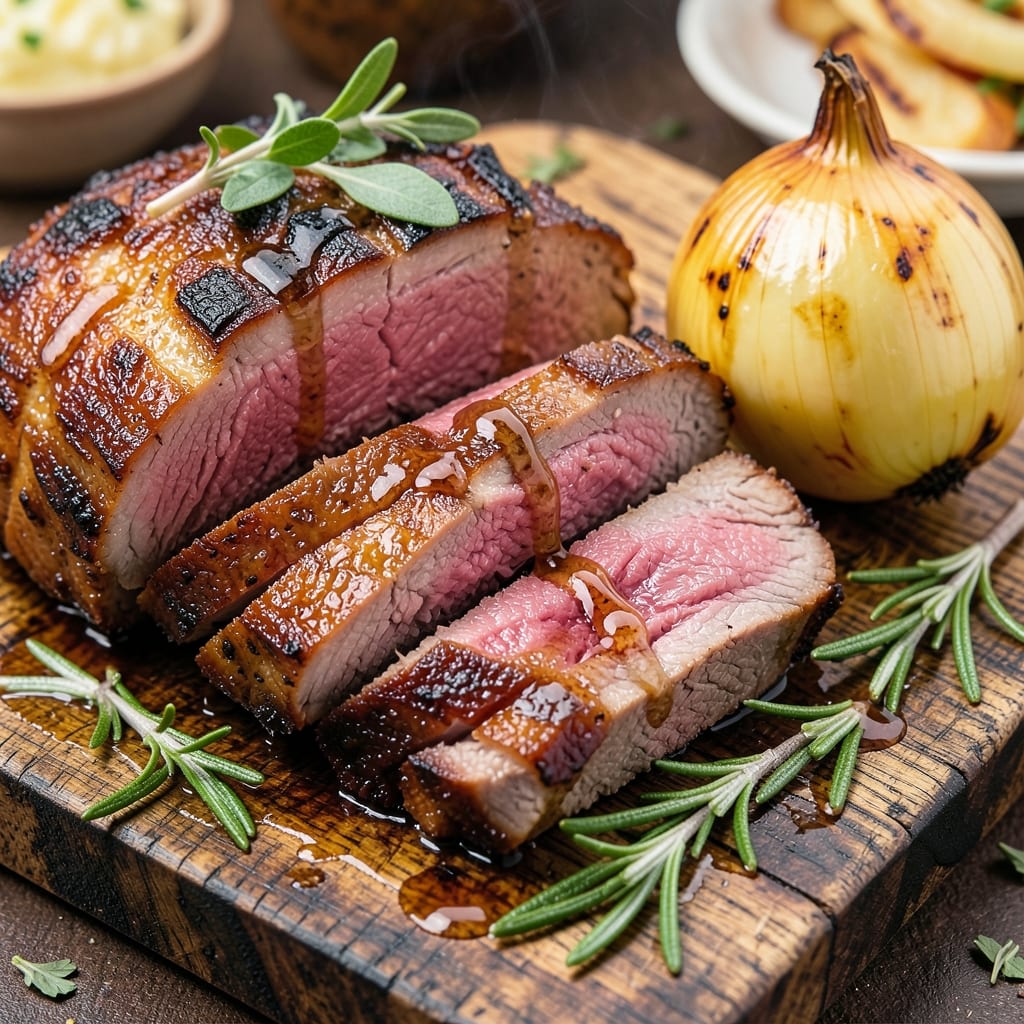
This apple cider vinegar brisket spray recipe transforms tough brisket into tender, bark-crusted perfection with just a few spritzes. The secret lies in a simple spray that enhances natural flavors while creating that coveted smoky crust—no fancy marinades required. I’ve perfected this technique over years of smoking competitions, and it consistently delivers restaurant-quality results in half the time.
The spray works by breaking down proteins on the surface, creating a sticky bark that caramelizes beautifully. You’ll apply it during the final hours of cooking, ensuring deep flavor penetration without overpowering the meat. This method is particularly effective for smoked brisket, but it works equally well for grilled or oven-braised versions. The result? A brisket with a glossy, crackling exterior and juicy, fall-apart tenderness.
What sets this recipe apart is its simplicity—just three ingredients, minimal prep, and a technique that elevates even the most basic brisket. The spray is applied every 30 to 45 minutes during the last 3 hours of cooking, locking in moisture while building that irresistible bark. Pair it with classic sides like creamy mac and cheese or tangy coleslaw for a complete meal that’s sure to impress.
Whether you’re a pitmaster or a weekend grill master, this spray will become your go-to for brisket night. The key is patience and precision—let the brisket rest before slicing, and you’ll be rewarded with slices that melt in your mouth. Ready to elevate your brisket game? Let’s get started.
Ingredients for apple cider vinegar spray for brisket
Three simple ingredients create the magic for restaurant-quality brisket bark every time.
| Ingredient | Amount | Notes |
|---|---|---|
| Apple Cider Vinegar 🍏 | 1 cup | Raw, unfiltered preferred |
| Brown Sugar 🍚 | ½ cup | Light or dark variety |
| Smoked Paprika 🌶️ | 2 tbsp | For authentic smoky flavor |
| Water 💧 | ½ cup | Room temperature preferred |
| Beef Brisket 🥩 | 4 lb | Flat cut, 1-inch thick |
| Yellow Onion 🧅 | 1 whole | For rub (optional) |
| Garlic Cloves 🧄 | 4 cloves | Minced for rub (optional) |
| Kosher Salt 🧂 | 1 tbsp | Diamond Crystal preferred |
| Black Pepper 🌶️ | 1 tsp | Freshly ground |
| Vegetable Oil 🫒 | 2 tbsp | For brisket rub |
| Wood Chips 🌳 | 1 package | Hickory or oak preferred |
The apple cider vinegar is the star—Bragg or Texas Pete work best, but any raw, unfiltered kind will do. Whole Foods or Trader Joe's usually carry the good stuff. The brown sugar? Light or dark doesn't matter—just make sure it's real sugar, not that weird powdered junk. Smoked paprika adds that authentic smoky flavor without needing a smoker. I grab mine from Penzeys when I'm stocking up, but the regular grocery store stuff works fine for occasional use. The key is to use it within 6 months of opening—once it loses its aroma, it's time to refresh your stash.
No apple cider vinegar? White vinegar in a pinch, but it won't have that same depth of flavor. Short on brown sugar? White sugar works, though you'll lose some of that caramelized bark. The spray itself is just these three ingredients—no fancy additives needed. For the brisket, I always go with the flat cut because it's more forgiving than the point cut. If you're using a point cut, just be prepared to trim more fat. The optional rub ingredients (onion, garlic, salt, pepper) are just for extra flavor—skip them if you're keeping things minimal. And trust me, the wood chips make all the difference if you're smoking—hickory or oak gives that classic BBQ vibe.
This spray keeps beautifully—3-4 months in a spray bottle in your fridge. I make a double batch and keep it on hand for all my smoking sessions. The brisket itself? Rest it for at least 30 minutes before slicing—this is non-negotiable for tender slices. Leftovers? Store in the fridge for 4-5 days or freeze for up to 3 months. Pro tip: Spritz the brisket every 30-45 minutes during the last 3 hours of cooking for that perfect bark. It's worth the extra spritz—your brisket will thank you.
Why You'll Love This Recipe
- Here’s what sold me: that spray keeps the meat tender for days, so your sandwiches or tacos the next day taste like they just came off the grill. No dry, sad brisket here—just rich, juicy bites that actually improve with time.
- Five-Ingredient Magic: I swear, this spray is the closest thing to a brisket hack—just mix those five things in a spray bottle, and you’ve got a secret weapon. No measuring cups, no fuss, just a quick shake and spritz before you fire up the grill or oven.
- Tangy-Sweet Crust Perfection: That apple cider vinegar cuts through the richness while the brown sugar caramelizes into a sticky, smoky crust. Honestly, the first time I tasted it, I nearly burned my tongue from how good it was—worth every second of the smoke.
- Tailgate or Tuesday: Between us, this spray works just as well for a backyard cookout as it does for a weeknight dinner. I’ve used it on whole briskets, sliced steaks, even roasted potatoes—it’s the kind of flavor that doesn’t care what you’re serving.
Step-by-step instructions for apple cider vinegar brisket spray
Here's how to make this game-changing spray that delivers tender meat and a perfect bark.
Mix the Spray Ingredients
In a clean, empty spray bottle, combine the 1 cup apple cider vinegar and 0.5 cup brown sugar. I like to use a glass bottle with a fine mist nozzle—it gives me better control when spraying. Give it a good shake to dissolve the sugar completely. The mixture should be smooth and slightly syrupy.
Next, add the 0.5 cup water and shake again. This dilutes the mixture just enough to create a fine mist without making it too watery. The spray should coat your hands lightly when you shake the bottle—this is the perfect consistency. If it feels too thick, add a splash more water, but don't go overboard or the bark won't develop properly.
Prepare the Brisket for Smoking
Pat the 4 lb beef brisket completely dry with paper towels—this is crucial for that crispy bark. I always start with a completely dry surface because any moisture will steam the meat instead of letting it develop that beautiful crust. Trim any excess fat to about ¼ inch thickness, leaving enough to protect the meat during the long cook.
Rub the brisket all over with the 2 tbsp vegetable oil, making sure to get into all the nooks and crannies. This helps the spray stick better and creates a better surface for the bark to form. While the oil is still wet, sprinkle evenly with 1 tbsp kosher salt and 1 tsp black pepper. For extra flavor, you can also add 2 tbsp smoked paprika and the minced 4 cloves garlic from the 1 whole yellow onion if you're using the optional rub.
Set Up Your Smoker
Set your smoker to 225°F using the 1 package wood chips (hickory or oak works best). Let it smoke for about 30 minutes to get the temperature stable before adding the brisket. I always check the smoke color—it should be a clean blue, not thick white smoke. Place the brisket fat-side up on the smoker grates so the rendered fat can baste the meat as it cooks.
Close the lid and let the brisket smoke undisturbed for 2 hours. This initial phase lets the meat relax and develop flavor. About 1 hour into smoking, give the brisket a light spray with your apple cider vinegar mixture. Hold the bottle about 6 inches away and apply in even strokes—don't drown it, just give it a light misting. This helps tenderize the meat and sets up that amazing bark.
Apply the Spray During the Cook
After the initial 2 hours, check the internal temperature of the brisket. It should be around 160-165°F. If it's stalled (not rising in temperature), this is the perfect time to spray again. Give it another light misting, focusing on all sides, especially the areas that haven't developed much bark yet.
Continue smoking the brisket, spraying every hour for the next 4-6 hours or until the internal temperature reaches 200-205°F. Each time you spray, you'll notice the bark becoming darker and more defined. The vinegar helps break down the proteins in the meat, creating that tender, juicy texture we all love. Don't forget to spray the fat cap—it's just as important for flavor as the rest of the meat.
Rest and Serve
Once the brisket reaches the target temperature, remove it from the smoker and let it rest for at least 1 hour before slicing. I like to wrap it in butcher paper and place it in a cooler to keep it warm. This resting period is crucial—it lets the juices redistribute throughout the meat, ensuring every slice is moist and flavorful.
When you're ready to serve, slice the brisket against the grain into ¼-inch thick slices. The bark should be dark and crispy, with a beautiful pink smoke ring just beneath the surface. Each bite should be tender enough to pull apart with a gentle tug, with that perfect balance of smoky, tangy flavor from the apple cider vinegar spray. Serve with your favorite sides and enjoy the fruits of your labor!
Pro Tips For Making Apple Cider Vinegar Spray For Brisket
- Spray in Layers, Not Dumps: I learned this the hard way—dumping the whole spray mix at once just makes the brisket soggy. Instead, mist it on in 2-3 passes, letting the liquid absorb between each. That way, the vinegar’s tang cuts through the fat without turning the meat into a sad, sticky mess.
- Use Raw Sugar, Not Packed: Brown sugar clumps like a stubborn guest who won’t leave. For the spray, measure out the raw sugar first, then mix it with the vinegar and water—no packing, no guessing. Packed sugar throws off the ratio, and your brisket’s bark will suffer for it.
- Don’t Skip the Rest Before Spraying: Freshly trimmed brisket? Let it sit uncovered for 30 minutes first. That resting time lets the surface dry slightly, so the vinegar spray sticks and caramelizes instead of sliding off like water on a duck’s back.
- Upgrade with a Splash of Honey: I was skeptical until I tried it—adding 1 tablespoon of honey to the spray mix (alongside the brown sugar) gives the bark a deeper, stickier crust without extra effort. Just stir it in last, or the sugar will crystallize on you.
Wine and beer pairings for apple cider vinegar spray for brisket
Smoky Beer Pairings
For brisket with apple cider vinegar spray, reach for American pale ales or amber ales that complement the tangy-sweet bark. A crisp Allagash White or New Belgium Fat Tire cuts through the richness while enhancing the smoky notes. The light malt sweetness balances the vinegar's acidity beautifully. 🍺
Bold Red Wine Choices
If you prefer wine, go for Zinfandels or Syrahs with their jammy fruit and peppery finish. A California Zinfandel like Ravenswood Old Vine stands up to the brisket's bold flavors, while a Washington State Syrah adds earthy depth. Both wines share the brisket's smoky profile without overpowering it.
Light and Refreshing Options
For a lighter option, try a dry Riesling from Germany or Austria. The wine's acidity and citrus notes cleanse your palate between bites, making each mouthful of brisket taste fresh. I keep a bottle of Dr. Loosen Blue Slate Riesling on hand specifically for brisket nights—it's a game-changer.
Non-Alcoholic Alternatives
Don't drink alcohol? No problem. A sparkling apple cider (like Martinelli's) mirrors the vinegar spray's tangy brightness. For something more substantial, try a smoked tea—I blend hibiscus tea with a pinch of smoked salt and serve it chilled. It's surprisingly refreshing and pairs perfectly with the brisket's smoky-sweet profile. 💫
Regional BBQ Pairings
In Texas, where brisket reigns supreme, I always pair it with a local craft lager like Lone Star Beer. For Carolina-style brisket, a North Carolina craft IPA works wonders—the hoppy bitterness balances the vinegar's tang. Each region has its own perfect match, so experiment to find what suits your taste best.
Nutrition facts
Frequently asked questions
Why does apple cider vinegar create such a good bark on brisket?
The acidity in apple cider vinegar breaks down proteins on the meat's surface, creating a sticky layer that caramelizes beautifully when exposed to smoke. This process forms that coveted dark bark while keeping the interior tender. The natural sugars in the vinegar also contribute to the Maillard reaction, enhancing flavor development.
Can I use this spray for other meats besides brisket?
This spray works wonderfully on pork shoulder, ribs, and even chicken thighs. For poultry, reduce the cooking time to 3-4 hours at 275°F and spray every 45 minutes. The vinegar's acidity helps tenderize tougher cuts while adding that signature tangy-sweet flavor profile.
How often should I spray the brisket during cooking?
Apply the spray every 30-45 minutes during the last 3 hours of cooking. Focus on all sides, including the fat cap. The key is light, even misting—not soaking the meat. Each application builds the bark layer while preventing the surface from drying out too quickly.
What if my brisket isn't developing bark properly?
Check your cooking temperature—it should stay at 225°F consistently. If the bark isn't forming, your smoker might be too hot or not producing enough smoke. Try increasing the wood chips or using a larger piece of wood. Also ensure your brisket is completely dry before spraying—the slightest moisture can prevent proper bark formation.
Can I make this spray ahead of time?
Yes! Store the spray in a clean spray bottle in your fridge for up to 3-4 months. The flavors actually improve over time as the vinegar and sugar meld together. Just give it a good shake before each use to redistribute the settled sugar. This makes it perfect for your next brisket cook-off or holiday gathering.