
Beverages
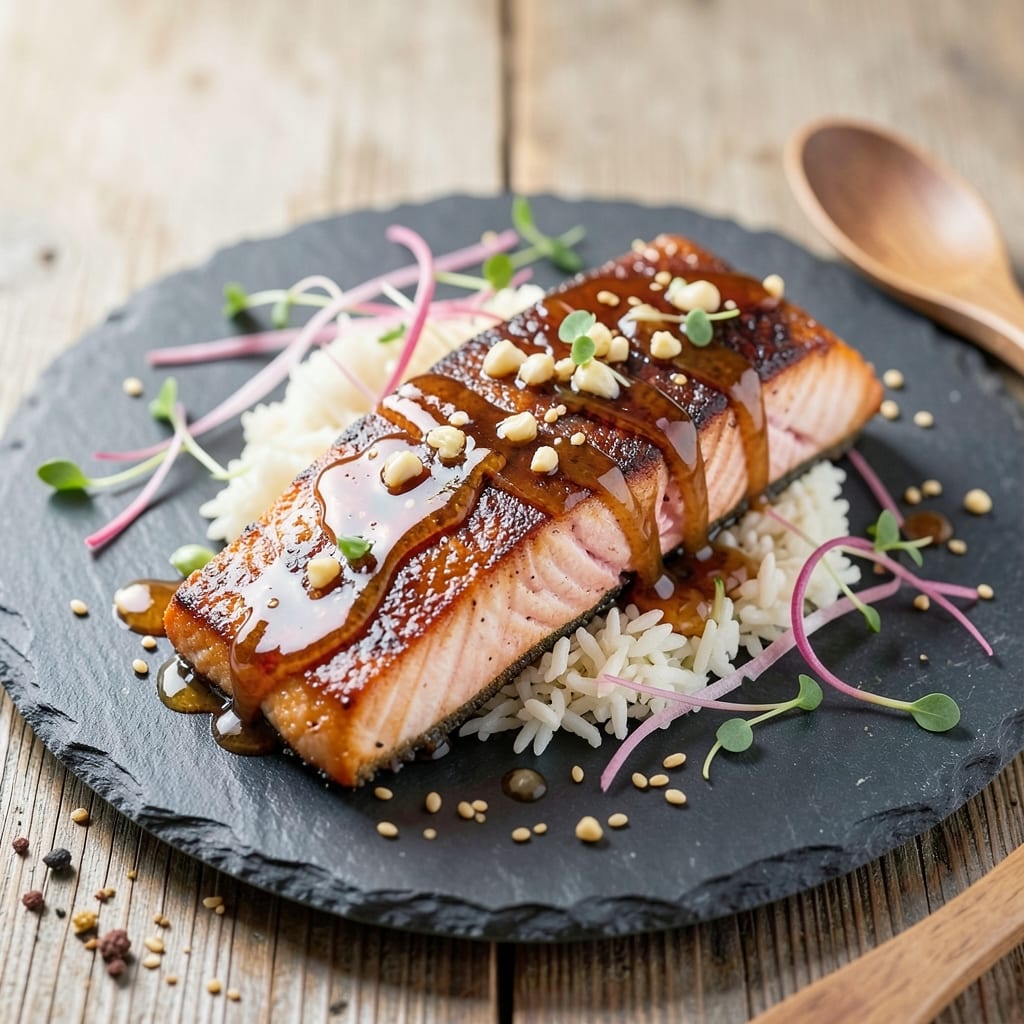
This apple cider vinegar salmon recipe transforms simple salmon into a restaurant-worthy dish with just a few bright, tangy ingredients. The acidity of apple cider vinegar tenderizes the fish while adding a zesty glaze that caramelizes beautifully—no fancy marinades required. I developed this method after years of perfecting the balance between crispy skin and flaky centers, and it’s become my go-to for weeknight dinners that feel special.
The magic happens in the glaze: apple cider vinegar, honey, and a touch of soy sauce create a sticky, tangy-sweet coating that clings to the salmon as it cooks. Whether you pan-sear it for a quick meal or bake it for hands-off convenience, the result is salmon with a golden crust and moist, buttery flesh. The glaze also works as a dipping sauce for extra flavor—every bite is a perfect harmony of sweet, tangy, and umami.
This recipe delivers flaky salmon that falls apart with just a fork, thanks to the vinegar’s tenderizing power. The glaze adds a bright, caramelized finish that elevates even the simplest sides—think roasted asparagus or a fresh salad. It’s a pescatarian-friendly dish that’s quick to prepare (just 20 minutes) but feels like a gourmet meal. Ready to upgrade your salmon game?
Pair it with crusty bread to soak up the glaze or serve over quinoa for a complete, protein-packed plate. The versatility of this recipe makes it perfect for any occasion—from a casual dinner to a dinner party centerpiece. Let’s get cooking!
Ingredients for apple cider vinegar salmon
Bright, tangy glaze meets flaky salmon—just 12 ingredients for restaurant-quality dinner.
| Ingredient | Amount | Notes |
|---|---|---|
| Center-Cut Salmon Fillets 🐟 | 4 pieces | Skin-on, 6-8 oz each, fresh or thawed |
| Apple Cider Vinegar 🍎 | ½ cup | Raw, unfiltered preferred for depth |
| Honey 🍯 | ¼ cup | Wildflower or clover variety |
| Low-Sodium Soy Sauce 🍶 | 2 tbsp | For umami balance |
| Olive Oil 🫒 | 2 tbsp | Extra-virgin for high smoke point |
| Garlic Cloves 🧄 | 3 cloves | Minced, fresh preferred |
| Fresh Ginger 🌿 | 1 tbsp | Finely grated, peeled |
| Salt 🧂 | 1 tsp | Diamond Crystal kosher |
| Black Pepper 🌶️ | ½ tsp | Freshly cracked |
| Sesame Seeds 🌾 | 1 tbsp | Toasted for garnish |
| Lemon Wedges 🍋 | 2 whole | For serving, fresh squeezed |
| Asparagus 🌱 | 1 lb | Trimmed, for pairing |
The salmon makes all the difference here. Center-cut fillets with skin-on ensure crispy edges without drying out—Wild Alaskan or Atlantic work equally well. Look for fillets with bright pink flesh and minimal bruising. I always buy mine from Whole Foods or Trader Joe's where they're pre-trimmed, saving time. If using frozen, thaw overnight in the fridge—never under running water, or the texture suffers. The skin should be intact; if it's peeling, skip it for this recipe. For the glaze ingredients, raw apple cider vinegar adds depth that pasteurized versions lack, and wildflower honey has a more complex flavor than regular grocery store honey.
No apple cider vinegar? White wine vinegar or rice vinegar work in a pinch, but reduce the honey slightly to balance the milder acidity. Substituting honey? Maple syrup or agave at a 1:1 ratio keeps things vegan-friendly. Short on soy sauce? Coconut aminos deliver similar umami without the sodium. The garlic and ginger can be swapped for 1 tbsp each of garlic powder and ground ginger, though fresh is ideal. For a sugar-free version, omit the honey entirely—just increase the vinegar by 1 tbsp and add 1/4 tsp cinnamon for warmth. The sesame seeds are optional but add a lovely crunch; toasted pumpkin seeds work as a nut-free alternative.
This glaze keeps in the fridge for 1 week—make extra for dipping or drizzling over rice bowls. The salmon itself cooks in 12-15 minutes and reheats beautifully, though it's best served fresh. Store leftovers in an airtight container with a paper towel pressed on top to absorb any moisture. For meal prep, I portion the glaze separately and assemble just before serving to maintain that bright, caramelized finish. The asparagus pairs perfectly—roast it at 400°F for 12 minutes while the salmon cooks, tossing with a pinch of salt and olive oil. Both reheat wonderfully for lunches.
Why You'll Love This Recipe
- Five-Ingredient Magic: I swear, this is the kind of recipe where you open the pantry and boom—everything’s already there. No fancy marinades or last-minute grocery runs; just salmon, vinegar, honey, soy sauce, and olive oil. That’s it. The ACV does all the work while you sip your coffee.
- Sweet-Savory Balance: Honestly, the honey and apple cider vinegar combo is next-level. The tang cuts through the richness of the salmon, while the honey adds this unexpected caramelized sweetness that makes it taste like a fancy restaurant dish—without the fuss. My picky-eater husband actually licked his plate.
- Weeknight or Weekend Star: This salmon shines whether you’re throwing it together on a Tuesday or hosting brunch on Sunday. Serve it over rice for a quick lunch, slice it for tacos, or plate it with roasted veggies for a dinner that feels special. I’ve even used leftover pieces in salads—zero waste, all flavor.
- Leftovers That Don’t Suck: Between us, most salmon leftovers turn into sad, dry rubber. Not this one. The glaze keeps it moist, so reheating is a breeze—just a quick pan sear or microwave zap. I meal prep this all the time because it tastes just as good cold as it does hot. (Yes, even on a Tuesday.)
Step-by-step instructions for apple cider vinegar salmon with glazed asparagus
This method delivers perfectly flaky salmon with a balanced tangy-sweet glaze and crisp-tender asparagus.
Prepare the Glaze and Marinate the Salmon
In a small saucepan, combine the 0.5 cup apple cider vinegar, 0.25 cup honey, 2 tbsp low-sodium soy sauce, 3 cloves minced garlic, and 1 tbsp finely grated fresh ginger. Bring to a gentle simmer over medium heat and cook for 5-7 minutes until slightly thickened and reduced by about ¼ cup. The mixture should smell aromatic with a balance of vinegar sharpness and sweet honey notes.
While the glaze reduces, place the 4 center-cut salmon fillets in a shallow dish. Pour the warm glaze over the salmon, ensuring both sides are coated. Sprinkle with 1 tsp salt and 0.5 tsp freshly cracked black pepper. Let the salmon marinate for 15-20 minutes at room temperature—this allows the flavors to penetrate while keeping the fish tender.
Roast the Asparagus
Preheat your oven to 400°F. Toss the 1 lb trimmed asparagus with 2 tbsp olive oil, ½ tsp salt, and a pinch of black pepper. Spread evenly on a baking sheet and roast for 12-15 minutes until the asparagus is tender-crisp with slightly charred tips. You'll know it's done when it yields slightly at the base but still has a firm texture—overcooking turns it mushy.
Remove the asparagus from the oven and set aside, reserving the pan for the salmon. The asparagus should have a vibrant green color with caramelized edges from the roasting process.
Cook the Salmon to Flaky Perfection
Carefully transfer the salmon fillets from the marinade to the same baking sheet used for the asparagus (no need to clean it—the fond adds flavor). Place the salmon skin-side down on the sheet. Bake for 12-15 minutes until the salmon reaches an internal temperature of 135°F and the edges begin to flake easily when tested with a fork.
The skin should be golden and crisp, while the flesh remains moist and tender. Avoid overcooking—salmon continues cooking slightly after removal from the oven. If the glaze starts to bubble excessively, tent the salmon loosely with foil for the last 2-3 minutes to prevent over-browning.
Finish and Serve
Remove the salmon from the oven and let it rest for 5 minutes on a warm plate. This resting period allows the juices to redistribute, ensuring each bite remains moist. While the salmon rests, spoon any remaining glaze from the baking sheet over the top of each fillet.
Garnish each serving with toasted sesame seeds and serve immediately with the roasted asparagus alongside. The bright lemon wedges should be squeezed over the top just before serving to enhance the fresh, acidic contrast against the rich salmon and sweet glaze. The combination delivers a perfect balance of tangy, sweet, and umami flavors with perfectly flaky fish.
Pro Tips For Making Apple Cider Vinegar Salmon
- Marinate Salmon Skin-Down: Flip those fillets skin-side up in the marinade for 10 minutes first—this keeps the flesh tender while the skin crisps beautifully. I learned this the hard way when my first batch turned rubbery because I skipped this step.
- Balance Vinegar with Honey: Start with a 2:1 ratio of honey to apple cider vinegar (e.g., 2 tbsp honey to 1 tbsp vinegar) and adjust to taste—too much vinegar makes the salmon taste sharp, not sweet. My grandmother swore by this, and she was right: the honey mellows the acid.
- Don’t Overcook the Center: Salmon’s done at 125°F internal temp—any hotter, and it’ll dry out fast. Use a meat thermometer, or press gently: it should flake easily but still hold together. I was skeptical until I tried it, and now I never go by color alone.
- Sear in Two Stages: Hit the salmon skin-side down with high heat for 3 minutes to render fat, then lower the heat and baste with the marinade for the last 2 minutes. This locks in moisture and adds depth—does it look weird? Yes. Does it work? Every single time.
Wine and beer pairings for this dish
White Wine Pairings
The bright acidity of apple cider vinegar in this dish pairs beautifully with crisp, dry white wines that can stand up to the tangy-sweet glaze. I reach for a Sauvignon Blanc from New Zealand—like Kim Crawford or Cloudy Bay—because its citrus and herbal notes mirror the salmon's glaze while cutting through the richness. The slight grassiness in these wines complements the ginger and garlic in the recipe, creating a refreshing contrast. 🍷
Light Beer Options
For beer lovers, a wheat beer or pilsner works wonders with this dish. I love pairing it with a Blue Moon Belgian White or Heineken—their light, effervescent qualities cleanse the palate between bites of the tangy salmon. The subtle sweetness in wheat beers also enhances the honey notes in the glaze, while the crisp finish balances the vinegar's sharpness. Avoid heavy lagers or dark ales that might overpower the delicate flavors.
Rosé for Balance
A dry Provence rosé from France is another fantastic choice, especially during warmer months. The delicate strawberry and citrus notes in a Whispering Angel or Miraval complement the salmon's caramelized edges without competing. The wine's acidity echoes the vinegar's brightness, while its subtle fruitiness harmonizes with the honey. Serve it slightly chilled (45-50°F) to enhance its refreshing qualities.
Sparkling Contrast
If you want to elevate the experience, a dry sparkling wine like La Crema Brut or Freixenet Cordon Negro adds a luxurious touch. The bubbles and acidity create a palate-cleansing effect that makes each bite of salmon feel fresh and vibrant. The effervescence also helps cut through the richness of the glaze, making it a showstopper for special occasions. 🥂
Non-Alcoholic Alternatives
For those skipping alcohol, a sparkling apple cider or ginger beer works surprisingly well. I recommend Martinelli's Sparkling Apple Cider—its crisp acidity and subtle sweetness mirror the glaze's flavors. For a more complex option, try a non-alcoholic sake like Hakkaisan Junmai, which brings a clean, umami depth that pairs beautifully with the salmon's richness.
Nutrition facts
Frequently asked questions
Why does apple cider vinegar make salmon more tender?
The acidity in apple cider vinegar breaks down proteins in the salmon, creating microscopic tears that help retain moisture. This tenderizing effect works best when the salmon marinates for 15-20 minutes at room temperature—just enough time for the flavors to penetrate without overcooking the fish. The vinegar also balances the richness of the salmon, adding a bright, tangy contrast.
Can I use this glaze for other proteins besides salmon?
This same glaze works beautifully with chicken thighs (baked or grilled) or tofu for a plant-based version. For chicken, increase the cooking time to 25-30 minutes at 375°F until the internal temperature reaches 165°F. The vinegar's acidity tenderizes chicken while keeping it juicy, and the honey adds a caramelized finish. Just reduce the marinating time to 10 minutes for chicken to prevent over-acidification.
What if my salmon turns out too dry?
Overcooked salmon is usually the culprit—this glaze recipe is designed to keep the fish moist! To fix it, reduce your oven temperature to 350°F and cook for 8-10 minutes instead of 12-15. For future attempts, use a meat thermometer and remove the salmon when it hits 125°F (it'll rise to 135°F while resting). Another trick: Place a small bowl of water on the lower oven rack to add moisture during baking.
How can I make this recipe spicier?
Add ½ teaspoon of red pepper flakes or 1 teaspoon of sriracha to the glaze while it simmers. For extra heat, sprinkle chopped jalapeños or fresh chili slices over the salmon before baking. If you prefer a smoother spice, mix ½ teaspoon of cayenne pepper into the marinade. Always taste the glaze before applying it to the salmon to adjust the heat level.
Can I use frozen salmon in this recipe?
Yes, but thaw it properly first! Place frozen salmon in a sealed bag and submerge it in cold water for 30-45 minutes, changing the water every 10 minutes. For best results, thaw it overnight in the fridge. Never microwave frozen salmon—it creates uneven cooking. Once thawed, pat the fillets dry before applying the glaze to ensure a crispy skin. The cooking time remains the same (12-15 minutes).