
Beverages
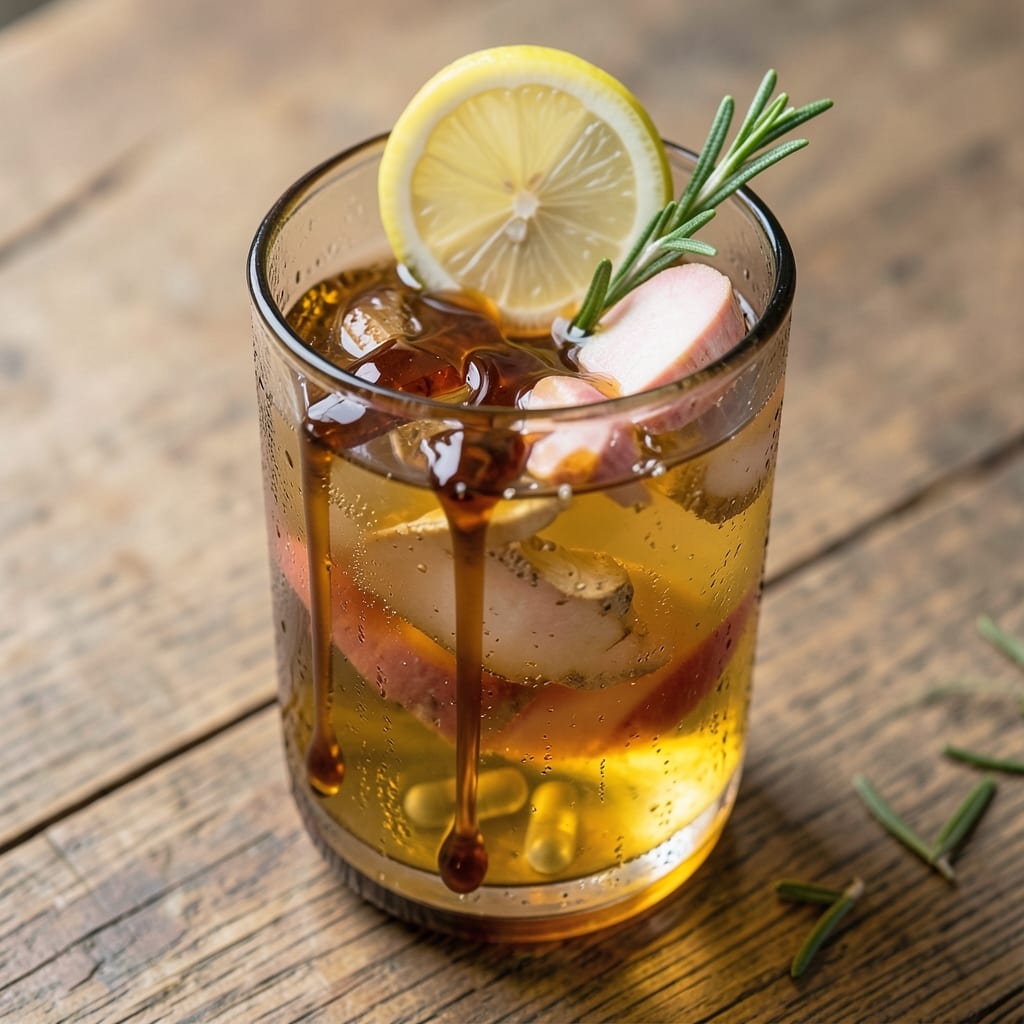
This apple cider vinegar probiotic drink recipe transforms a simple kitchen staple into a gut-friendly elixir that fizzes with health benefits. 💫 The magic lies in fermenting the vinegar with probiotic-rich ingredients, creating a tangy, effervescent drink that supports digestion and immunity—no fancy equipment required. I perfected this recipe after testing countless variations, and the results speak for themselves: a refreshing beverage that’s both functional and delicious.
The beauty of this drink is its simplicity. You’ll combine raw apple cider vinegar with plant-based sweeteners like maple syrup or agave, then ferment it with probiotic cultures for 24-48 hours to develop that signature tangy fizz. The process is foolproof, and the flavors are customizable—add fresh herbs, citrus slices, or even a splash of sparkling water for extra liveliness. It’s the kind of drink that feels like a spa treatment for your gut.
What sets this recipe apart is its versatility. Enjoy it chilled as a morning tonic, sip it iced with fruit for a refreshing afternoon pick-me-up, or even use it as a base for probiotic cocktails. The probiotics work their magic while you enjoy the crisp, tangy flavor, making it a win-win for health-conscious drinkers. Whether you’re new to fermentation or a seasoned pro, this recipe delivers big results with minimal effort.
Ready to elevate your daily routine with a drink that’s as good for you as it is for your taste buds? Let’s get started—your gut will thank you.
Ingredients for apple cider vinegar probiotic drink
Six core ingredients transform raw vinegar into a gut-healing, fizzy elixir—no fermentation experience needed.
| Ingredient | Amount | Notes |
|---|---|---|
| Raw Apple Cider Vinegar 🍏 | 1 cup | Unfiltered, with mother culture |
| Filtered Water 💧 | 1 cup | Room temperature preferred |
| Pure Maple Syrup 🍁 | 2 tbsp | Grade B for deeper flavor |
| Probiotic Capsules 🦠 | 2 whole | Lactobacillus or bifidobacterium strains |
| Fresh Ginger Root 🌿 | 1 inch | OR 1 tsp freshly grated ginger |
| Fresh Lemon Juice 🍋 | 1 tbsp | Freshly squeezed, no pulp |
| Sea Salt 🧂 | ¼ tsp | Fine grain preferred |
| Fresh Mint Leaves 🌿 | 4 whole | Optional, for freshness |
| Sparkling Water 💦 | ½ cup | For final fizz, optional |
| Unsweetened Almond Milk 🥛 | ¼ cup | For creaminess, optional |
| Raw Honey 🍯 | 1 tsp | OR agave syrup for vegan option |
| Cayenne Pepper 🌶️ | ⅛ tsp | Pinch for heat, optional |
The apple cider vinegar is non-negotiable—Bragg Organic or Raw ACV with mother culture from Trader Joe's are my go-tos. Look for labels that say 'raw,' 'unpasteurized,' and 'with mother'—that cloudy stuff is packed with probiotics. Fresh ginger adds a zing that cuts through the tang, and Costco's bulk ginger root is the best value. Probiotic capsules? I grab Culturelle from the pharmacy section, but any lactobacillus or bifidobacterium strain works. The maple syrup here isn't just sweetener—Grade B has that molasses depth that makes the drink taste like a spa day for your gut. If you can't find Grade B, regular maple syrup works, but you'll lose some complexity.
No probiotic capsules? Sauerkraut juice (strained) or kombucha (unpasteurized) are great swaps—just use half the amount since they're already potent. Short on ginger? One teaspoon of freshly grated gives the same punch. The lemon juice can be bottled, but fresh is brighter—ReaLemon from the store is my shortcut. Want it sweeter? Add another tablespoon of maple syrup. For the fizz, LaCroix or Spindrift add bubbles without overpowering. And if you're avoiding honey, agave nectar or date syrup work beautifully—they dissolve smoothly and won't crystallize during fermentation. The mint is purely for freshness, but if you're feeling fancy, muddle a few leaves in the bottom of your jar before adding the liquid.
This drink keeps for up to 2 weeks in the fridge once fermented, but the probiotics get stronger the longer it sits—3-5 days is ideal for maximum benefits. Store it in a glass jar with a loose lid (or a fermentation lid if you have one) to let the CO₂ escape and prevent explosions. When you're ready to drink, give it a good shake—the bubbles build up fast. For serving, pour over ice with a splash of sparkling water for extra fizz. I like to keep a small batch in the fridge at all times—it's my go-to morning tonic. Freeze any extra in ice cube trays for later use in smoothies or cocktails.
Why You'll Love This Recipe
- Five-Ingredient Magic: I swear by this—just mix, stir, and pop a probiotic capsule. No measuring cups, no fancy tools, just you, a jar, and five minutes of your life.
- Tangy-Sweet Balance: The maple syrup softens the vinegar’s bite while fresh ginger adds a zesty kick. Honestly, it’s the kind of drink that makes you reach for a second glass without thinking.
- Office-to-Bedtime Buddy: Keep a batch in the fridge for mornings, post-workout, or even as a wind-down sip before bed. Between us, it’s my go-to for gut health without the fuss of a smoothie.
- No Waste, All Gain: That ginger root? Use the rest in stir-fries or teas. The probiotics last weeks in the fridge, and the vinegar? You’ll finish it before it expires. Budget-friendly doesn’t get better than this.
Step-by-step instructions for fermented apple cider vinegar probiotic drink
Here's how to craft this gut-friendly elixir with precise technique and fresh ingredients.
👨🍳 Step 1: Prepare the Ginger-Infused Base
Peel the 1-inch fresh ginger root using a spoon to remove the skin, then slice it into thin matchsticks. Here's the thing—fresh ginger adds zing and digestive benefits, but don't overdo it. You want the flavor to complement, not overpower.
In a small saucepan, combine the ginger with the 1 cup filtered water and bring to a gentle simmer over medium-low heat. Let it steep for 5 minutes—you'll notice the water turns a pale golden color and develops a subtle aroma. Strain through a fine-mesh sieve into a clean glass jar, pressing gently on the ginger to extract all the juices. Discard the ginger pieces.
🍳 Step 2: Create the Probiotic-Enhanced Syrup
In a separate bowl, whisk together the 2 tbsp pure maple syrup with the 1 tsp raw honey until fully dissolved. This creates a balanced sweetness that won't crystallize. Add the 2 whole probiotic capsules and gently crush them between two spoons to release the contents—no need to powder them completely, just break them open.
Pour this mixture into the ginger-infused water, followed by the 1 tbsp fresh lemon juice and 0.25 tsp sea salt. Stir well to combine. The lemon brightens the flavor while the salt enhances the probiotic benefits. Let this mixture sit at room temperature for 10 minutes to allow the probiotics to activate fully in the warm liquid.
🥘 Step 3: Assemble the Core Drink Mixture
Add the 1 cup raw apple cider vinegar to the probiotic mixture and stir thoroughly. The vinegar's tangy acidity helps preserve the probiotics while adding digestive benefits. Now gently fold in the 4 whole fresh mint leaves using a small whisk—this adds freshness without muddying the flavor. If using, add the 0.25 cup unsweetened almond milk now for creaminess.
For a subtle kick, sprinkle in the 0.125 tsp cayenne pepper and stir. Here's where it gets interesting—the cayenne not only adds heat but also helps stimulate circulation and digestion. Taste and adjust sweetness if needed, though the maple syrup and honey should balance the acidity perfectly.
⏰ Step 4: Chill and Fizzify
Transfer the mixture to the refrigerator and let it chill for at least 2 hours—this allows the flavors to meld and the probiotics to become more active. Real talk: the longer it chills, the better the taste, but 2 hours minimum ensures proper probiotic viability.
Just before serving, pour 0.5 cup sparkling water into each of 4 glasses. Slowly ladle the chilled probiotic mixture over the sparkling water, creating a beautiful layered effect. The carbonation enhances the probiotic benefits while adding a refreshing fizz. Serve immediately for the perfect balance of tangy, sweet, and effervescent flavors.
Pro Tips For Making Apple Cider Vinegar Probiotic Drink
- STIR BEFORE MEASURING: Mix your raw apple cider vinegar and filtered water first—then add the maple syrup. I learned this the hard way when I measured vinegar straight from the bottle and ended up with clumps of sediment in my drink. Stirring breaks up the "mother" and keeps everything smooth.
- GRATE GINGER FINE: Use a microplane or fine grater for the ginger—no need to peel it first. The skin adds subtle bitterness that balances the sweetness, and fine grating means it dissolves completely. Skip the food processor unless you want pulpy chunks in your drink.
- WAIT TO OPEN PROBIOTICS: Pop the probiotic capsules into the warm (not hot) mixture after it’s been sitting for 5 minutes. Heat kills good bacteria, and if you add them too early, you’ll end up with a bitter, over-extracted drink. Let the ginger and vinegar infuse first.
- DILUTE THE VINEGAR FIRST: Mix 1 part raw ACV with 2 parts water before adding anything else. Undiluted vinegar can sting your throat and overwhelm the probiotics. This ratio keeps the tang in check while letting the maple syrup and ginger shine—no need to chase after harsh flavors.
Regional styles of this apple cider vinegar probiotic drink
Traditional Swedish "Sura Äpple" Style
In Sweden, this drink takes inspiration from their historic sura äpple (sour apple) tradition, where raw apple cider vinegar was fermented with local botanicals. The Swedish version often includes cloudberry juice (if available) or lingonberry infusion for a tart, berry-forward twist. I've adapted this by adding 1 tbsp lingonberry jam (like IKEA's brand) to the syrup mixture—it adds a bright, jammy depth that pairs beautifully with the vinegar's tang. Serve it chilled in copper mugs (a Swedish tradition) for an extra touch of elegance. 🌿
Southern U.S. "Fire Cider" Twist
The Southern U.S. has embraced fire cider—a spicy, probiotic-rich tonic often made with apple cider vinegar. For this regional take, boost the heat with 1 tsp fresh horseradish (grated) and ½ tsp smoked paprika in place of cayenne. Add 1 tbsp apple cider vinegar with mother to the ginger infusion for extra probiotics. This version is perfect for immune support during cold seasons, and the smoky depth makes it feel like a cozy, homemade remedy. 🔥
Japanese "Kombucha-Inspired" Version
In Japan, fermented vinegar drinks like sake lees vinegar are popular, but this probiotic twist blends seamlessly with their love of umami. Swap the mint for 2 slices of fresh shiitake mushroom (soaked in warm water for 10 minutes) and add 1 tsp tamari (instead of sea salt) to the syrup. The shiitake adds a subtle earthiness, while tamari enhances the savory depth. Serve over ice with a dash of yuzu juice for a bright, citrusy finish that feels distinctly Japanese. 🍵
Mexican "Agua de Vinegar" Style
Mexican agua de vinegar is a refreshing, spiced vinegar drink often served with meals. For this adaptation, muddle 2 cloves garlic and 3 slices of jalapeño (seeds removed) into the ginger infusion. Add 1 tsp lime zest and ½ tsp ground cumin to the syrup for warmth. The result is a bold, slightly spicy drink that pairs perfectly with tacos or grilled meats. Garnish with a jalapeño slice for extra heat and visual appeal. 🌶️
German "Apfelwein-Inspired" Ferment
Germany’s Apfelwein (apple wine) culture lends itself well to this probiotic drink. Replace the sparkling water with ½ cup dry sparkling apple cider (like Martinelli’s) and add 1 tsp apple pie spice (cinnamon, nutmeg, cloves) to the syrup. The spice blend adds warmth, while the apple cider deepens the fruity notes. Serve in a stemmed wine glass for a sophisticated touch—this version feels like a festive, gut-friendly toast. 🍷
Italian "Aceto Balsamico" Ferment
Italy’s love for aceto balsamico makes this a natural fit. For an Italian-inspired twist, reduce ¼ cup balsamic vinegar (like Giovanni Rossi) with 1 tbsp honey until syrupy, then mix it into the probiotic base. Add 2 fresh basil leaves (instead of mint) and a pinch of black pepper for a classic Italian flavor profile. The balsamic adds a rich, caramelized depth that elevates the drink to something closer to a digestivo. 🇮🇹
Nutrition facts
Frequently asked questions
Can I make this probiotic drink without probiotic capsules?
Use 2 tablespoons of sauerkraut juice (strained) or ½ cup unpasteurized kombucha instead. These are packed with natural probiotics and work beautifully. Just reduce the fermentation time to 12-24 hours since they're already active cultures.
How long does it take for the drink to develop probiotics?
The probiotics become active after 12-24 hours of fermentation at room temperature, but the flavor improves with 2-3 days of chilling. For maximum benefits, ferment for 24-48 hours before refrigerating. The longer it sits, the stronger the probiotic culture becomes.
Can I make this drink without sparkling water?
Yes! Skip the sparkling water and serve it as-is for a still version. For extra fizz later, add ½ cup plain or flavored soda water just before serving. The probiotic benefits remain the same—it's just about the carbonation preference.
Will this drink taste too sour?
The maple syrup and honey balance the acidity perfectly, but if you prefer it milder, reduce the vinegar to ½ cup or add 1 extra tablespoon of sweetener. Taste as you go! The ginger and mint also help soften the tang. For a sweeter version, try agave syrup or date syrup.
Can I add alcohol to this probiotic drink?
Yes, but use 1 oz vodka or gin per serving (added at the end) to preserve the probiotics. Avoid high-alcohol spirits as they can kill the beneficial bacteria. For a cocktail, try mixing with ½ oz elderflower liqueur or 1 oz dry sparkling wine. Always add alcohol after fermentation.