
Beverages
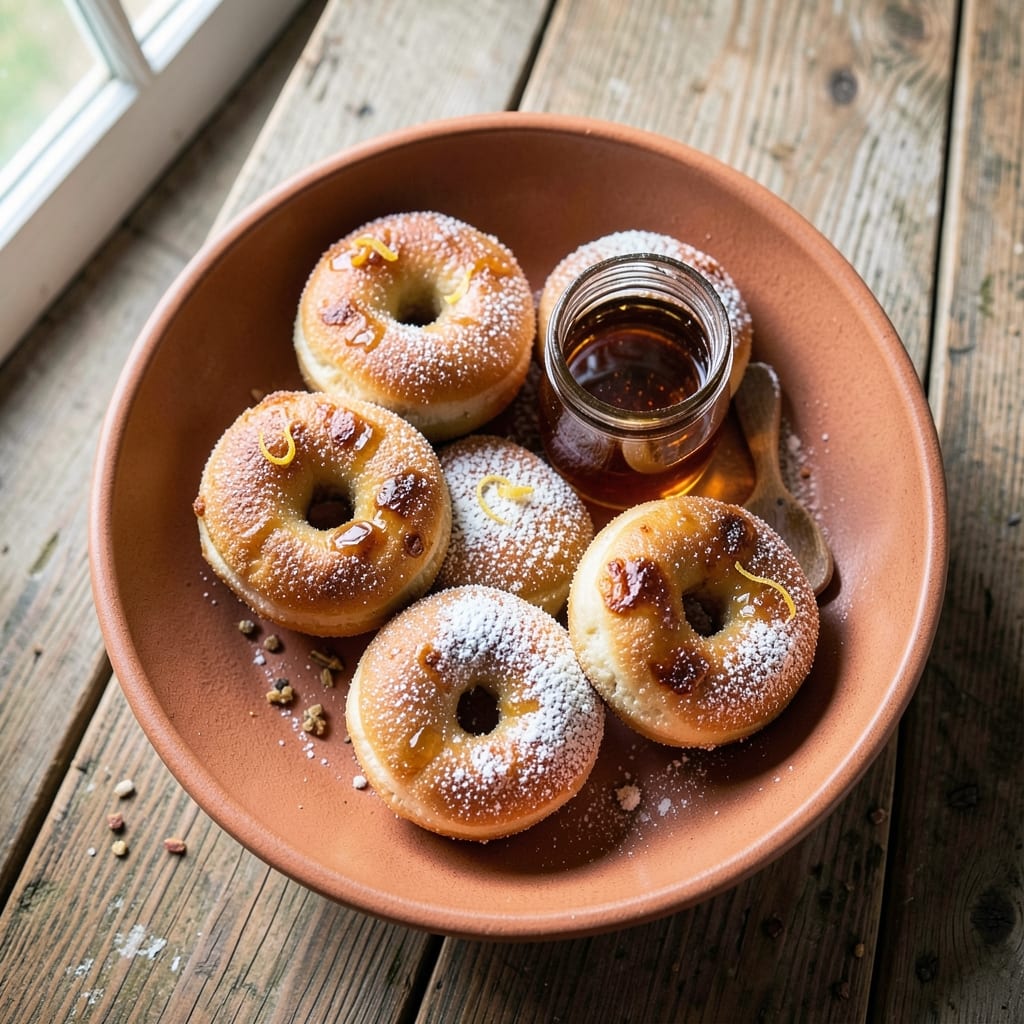
This apple cider vinegar donuts recipe transforms classic donuts into something extraordinary—tender, fluffy, and perfectly balanced with a tangy glaze that cuts through the sweetness. The secret lies in the vinegar, which tenderizes the dough while adding a subtle depth of flavor that elevates every bite. I developed this recipe after years of experimenting with yeast-based donuts, and the difference is night and day.
The dough comes together with simple ingredients—flour, sugar, eggs, and of course, apple cider vinegar—but the vinegar is the game-changer. It activates the baking soda for extra lift, resulting in donuts that are light and airy rather than dense. Whether you fry or bake them, the texture is consistently perfect, and the glaze ties everything together with a bright, tangy finish.
What makes these donuts truly special is how the flavors balance: the rich, sweet glaze contrasts beautifully with the vinegar’s acidity, creating a harmonious bite. The recipe is designed to be approachable, with clear instructions for both yeast and quick-rise dough options, so you can adapt it to your schedule. No special equipment is needed—just a few pantry staples and a little patience for the dough to rise.
By the time you’re done, you’ll have a batch of donuts that taste like they came from a bakery, but with a homemade touch. The aroma alone will draw everyone to the kitchen, and the first bite will have them asking for the recipe. Perfect for breakfast, brunch, or a sweet treat any time of day, these donuts are sure to become a favorite.
Ingredients for apple cider vinegar donuts
Five essential ingredients transform ordinary donuts into something extraordinary—vinegar for lift, butter for richness, and powdered sugar for that perfect tangy-sweet glaze.
| Ingredient | Amount | Notes |
|---|---|---|
| All-Purpose Flour 🌾 | 3 cups | Plus 2 tbsp for dusting |
| Granulated Sugar 🍚 | ½ cup | Divided: 1/4 cup for dough, 1/4 cup for glaze |
| Apple Cider Vinegar 🍎 | ¼ cup | Unfiltered preferred for flavor |
| Large Eggs 🥚 | 2 whole | Room temperature for best mixing |
| Unsalted Butter 🧈 | ½ cup | Cold, cubed for dough |
| Baking Soda 🧂 | 1 tsp | Active dry yeast alternative |
| Salt 🧂 | ½ tsp | Kosher or sea salt |
| Powdered Sugar 🍚 | 1 ½ cups | For glaze, sifted |
| Milk 🥛 | ¼ cup | Warm, for glaze |
| Vanilla Extract 🌿 | 1 tsp | Pure vanilla preferred |
| Vegetable Oil 🫒 | ½ cup | For frying (or baking spray) |
| Active Dry Yeast 🍞 | 2 ¼ tsp | Or 1 packet quick-rise |
| Cinnamon 🌶️ | ½ tsp | Optional, for glaze |
The apple cider vinegar is non-negotiable here—it’s what makes these donuts light and airy. Bragg or Heinz unfiltered are my go-tos, but any good-quality vinegar works. For the butter, Land O’Lakes or Plugrá are reliable, but don’t melt it before mixing—keep it cold for flaky layers. The flour should be all-purpose, not self-rising, and King Arthur or Gold Medal brands work best. If you’re frying, grab vegetable oil from Trader Joe’s—it’s affordable and stays stable at high heat. For baking, use a nonstick spray or line your pan with parchment.
No apple cider vinegar? White vinegar or lemon juice in a pinch, but the flavor won’t be the same. Short on butter? Coconut oil or shortening works, though texture changes slightly. The glaze can be made ahead—just add milk when ready to use. For a quicker dough, instant yeast cuts rise time by half. If you’re baking, preheat your oven to 375°F and bake for 10-12 minutes per side. And if you’re frying, keep the oil at 350°F—any hotter, and they’ll brown too fast.
These donuts freeze beautifully—just coat them in powdered sugar and store in an airtight container for up to 3 months. Reheat in the oven for 5 minutes to restore crispness. The glaze sets quickly, so make it fresh if you’re serving right away. For extra shine, brush the warm donuts with a little milk before dusting with powdered sugar. And if you’re making a big batch, double the recipe—they disappear fast!
Why You'll Love This Recipe
- No-Fuss Mixing: I swear by the apple cider vinegar trick—just toss in the wet ingredients, let the flour absorb it, and boom, no overmixing, no lumps. The vinegar does all the work, making the dough silky smooth with zero fuss.
- Tangy-Sweet Magic: That first bite? The vinegar’s sharp bite cuts through the sugar’s sweetness, then melts into this warm, almost caramelized finish. It’s like biting into a donut that’s been kissed by a fall morning.
- Breakfast or Snack: Honestly, these work anywhere. Serve them warm with coffee for a weekend treat, or pack a few in lunchboxes—they’re sturdy enough to handle the ride. Even my picky kid grabs them before soccer practice.
- Budget Stretch: I make a double batch, freeze half, and pull them out whenever I need a quick win. Butter and eggs are cheap staples, and the vinegar? A single bottle lasts me months. Zero waste, maximum satisfaction.
Step-by-step instructions for apple cider vinegar donuts
Here's how to make light, fluffy donuts with a tangy glaze that perfectly balances sweetness.
Activate the Yeast and Prepare the Dough
In a small bowl, combine the 2.25 teaspoons active dry yeast, ¼ cup granulated sugar (from the ½ cup total), and ½ cup warm milk (about 105-110°F). Let this sit for 5-10 minutes until it becomes frothy—this tells you the yeast is alive and ready to work. If it doesn't bubble, your yeast might be old or the milk too hot.
In a large mixing bowl, whisk together the 3 cups all-purpose flour, ½ teaspoon salt, 1 teaspoon baking soda, and ½ teaspoon cinnamon (if using). Make a well in the center and add the yeast mixture, 2 whole large eggs, ½ cup cold cubed unsalted butter, and ½ cup vegetable oil. Mix with a wooden spoon until just combined—you should still see dry spots of flour.
Knead and Let the Dough Rise
Turn the dough onto a lightly floured surface and knead for 5-7 minutes until smooth and elastic. You'll know it's ready when it springs back slowly when poked. If the dough feels too sticky, add 1 tablespoon flour at a time until it comes together nicely. Shape into a ball, place in a greased bowl, cover with a damp towel, and let rise in a warm place for 1-2 hours or until doubled in size.
Here's the thing—the apple cider vinegar isn't added to the dough itself, but its magic happens in the glaze. The tanginess cuts through the richness of the fried donuts beautifully. While the dough rises, preheat your oven to 350°F for later if you're baking, or get your oil ready for frying.
Shape and Fry the Donuts
Once the dough has doubled, punch it down and turn it onto a lightly floured surface. Roll it out to about ½-inch thickness. Use a 2-inch round cutter to cut out donuts and reroll the scraps for more donuts. Dust the cut donuts with a little extra flour to prevent sticking.
Heat 2 inches of vegetable oil in a deep pot to 350-360°F. Fry donuts in batches for 1-2 minutes per side until golden brown. They're done when they float to the surface and turn a rich golden color. Don't overcrowd the pot or the oil temperature will drop, leading to greasy donuts. Transfer fried donuts to a paper towel-lined plate to drain.
Make the Apple Cider Vinegar Glaze
While the donuts are still warm, whisk together the remaining ¼ cup granulated sugar, 1.5 cups powdered sugar, ¼ cup apple cider vinegar, 1 teaspoon vanilla extract, and a pinch of salt in a bowl. The glaze should be thick but pourable—if it's too thick, add 1-2 teaspoons warm milk to loosen it.
Dip each donut halfway into the glaze, letting any excess drip off. Place them back on the paper towel-lined plate and let the glaze set for 10-15 minutes. The vinegar gives the glaze a bright, tangy kick that keeps the sweetness in check, making each bite perfectly balanced.
Serve Warm for Maximum Enjoyment
Serve the donuts immediately while the glaze is still glossy and warm. The contrast of the crispy exterior, fluffy interior, and tangy glaze is what makes these donuts special. If you're making them ahead, store them in an airtight container at room temperature for up to 2 days, but they're best enjoyed fresh.
For extra flair, sprinkle a pinch of cinnamon or a few crushed nuts on top before serving. These donuts are perfect for breakfast, brunch, or even dessert—just be sure to have a glass of milk on hand to cut through the richness!
Pro Tips For Making Apple Cider Vinegar Donuts
- Measure Vinegar Precisely: Use a kitchen scale or a proper measuring cup—apple cider vinegar’s acidity reacts fast, and eyeballing it throws off the dough’s rise. I learned this after two batches of dense, flat donuts that tasted more like vinegar punch than dessert.
- Chill the Dough: Let the dough rest in the fridge for at least 30 minutes before frying—this firms up the gluten so the donuts hold their shape and don’t fall apart when you flip them. Trust me, your first batch will either be a greasy mess or a golden masterpiece, and this is the difference.
- Fry in Small Batches: Overcrowding the oil lowers its temperature, leading to greasy, uneven donuts. Stick to 2-3 at a time, and keep the oil at a steady 350°F—too hot, and they’ll burn before cooking through. (Yes, even if you’re impatient like me.)
- Use Cold Butter: Cut the unsalted butter into small cubes and keep it cold until the last second—this prevents the dough from getting too soft and sticky, which makes rolling and cutting a nightmare. I skip this step sometimes, and the dough always fights me.
Perfect pairings for apple cider vinegar donuts
Coffee Pairings
These tangy-sweet donuts are a match made in heaven with a bold dark roast like Starbucks Sumatra or Peet’s Major Dickason’s Blend. The acidity in the glaze complements the coffee’s deep, smoky notes without overpowering them. I always brew a French press for maximum body—just let it steep for 4 minutes to avoid bitterness. ☕
Tea Complements
For a lighter option, try an Earl Grey tea with its bergamot notes—it mirrors the citrusy tang of the apple cider vinegar while balancing the sweetness. Steep 3-4 minutes in 200°F water for a smooth, aromatic cup. If you prefer herbal, chamomile adds a soothing contrast to the richness of the donuts. 🍵
Seasonal Drink Ideas
In fall, swap the coffee for spiced apple cider—simmer 2 cups apple cider with 1 cinnamon stick, 2 star anise pods, and 1 tsp vanilla extract for 15 minutes. The warmth of the spices enhances the donuts’ cinnamon undertones. For summer, a sparkling lemonade with ½ cup apple cider vinegar and 1 tbsp honey per 4 cups water adds a refreshing zing. 🍎
Alcohol Pairings
A bourbon old-fashioned with its caramel and vanilla notes bridges the gap between the donuts and the glaze beautifully. Muddle 3 dashes orange bitters, 1 tsp sugar, and 2 oz bourbon (like Buffalo Trace) with ice. For a lighter option, sparkling wine (such as Prosecco) cuts through the richness while highlighting the vinegar’s brightness. 🍸
Milk & Cream Options
Don’t underestimate the power of a simple cold glass of milk—the fat content helps balance the glaze’s acidity. For extra indulgence, try vanilla chai latte with ½ cup steamed milk, 1 tsp chai concentrate, and a dash of cinnamon. The spices echo the donuts’ warmth without competing. ☕️
Unexpected Twists
For a fun twist, pair these donuts with ginger beer (like Bush’s Original)—the spicy kick contrasts the sweetness in a way that’s surprisingly refreshing. Or try hot chocolate with a pinch of cayenne for a dessert-like pairing that feels festive year-round. The heat from the cayenne mirrors the vinegar’s tang. 🌶️
Nutrition facts
Frequently asked questions
Why does apple cider vinegar make these donuts special?
The vinegar works magic in two ways: it tenderizes the dough by breaking down gluten for a lighter texture, and its tangy glaze cuts through the sweetness for a perfect balance. The acidity also helps the glaze set beautifully without being overly sticky.
Can I make these donuts without frying?
Bake them at 375°F for 10-12 minutes per side on a parchment-lined baking sheet. Brush with oil or use an air fryer at 350°F for 8-10 minutes, flipping halfway. The texture will be slightly denser but still delicious.
What if my dough doesn't rise?
Check your yeast first—it should be fresh (test by mixing with warm water and sugar; if it bubbles in 5 minutes, it's good). Keep the milk warm (105-110°F) and place the dough in a warm spot (like a turned-off oven with a bowl of hot water). If it still doesn't rise, try adding ½ tsp more yeast.
How do I store leftover donuts?
Cool completely, then store in an airtight container at room temperature for 2 days. For longer storage, freeze them for up to 3 months. Reheat in the oven at 300°F for 5 minutes to restore crispness. The glaze stays fresh but may need re-dipping if softened.
Can I make the glaze ahead of time?
Yes! Mix all glaze ingredients except milk and store in an airtight container for 2 days. When ready, add milk to thin as needed. For longer storage (1 week), refrigerate the dry ingredients and add milk when using. The vinegar flavor intensifies slightly over time.