
Beverages
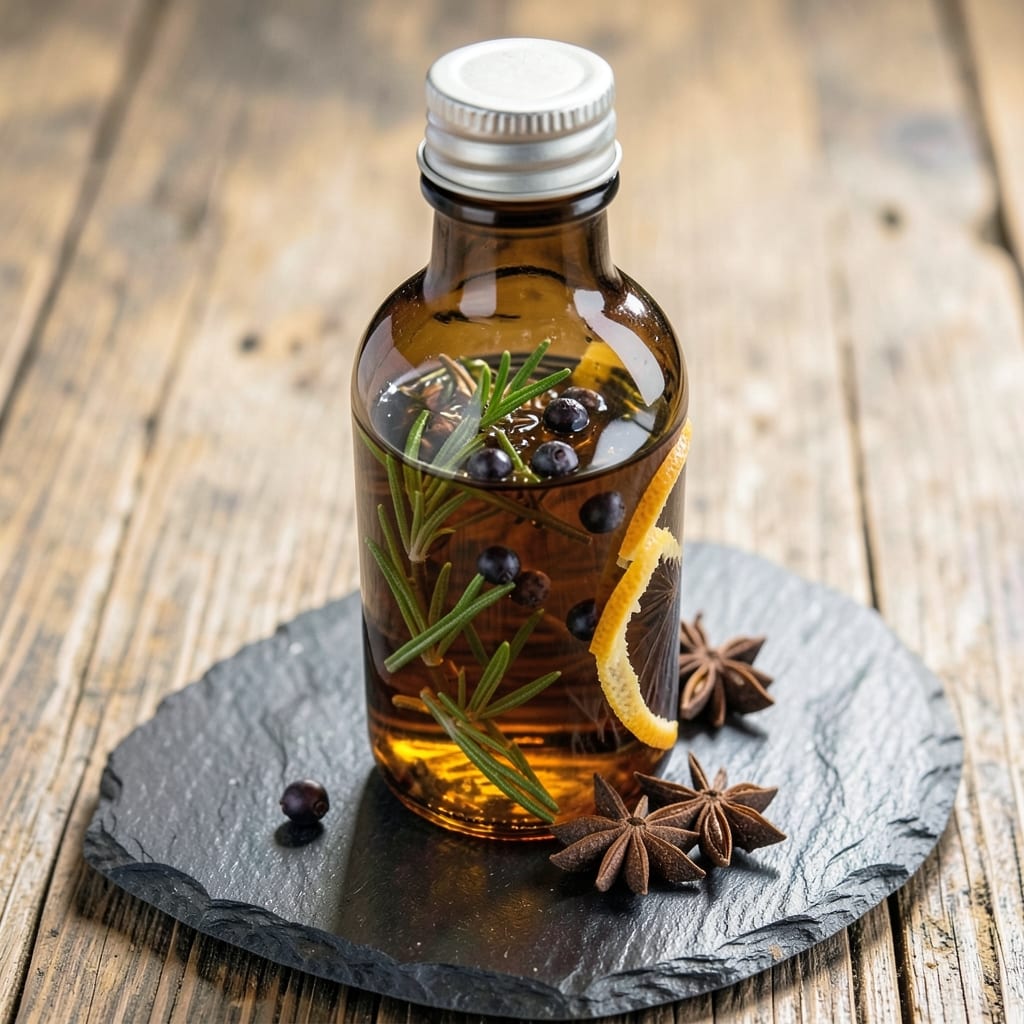
This apple cider vinegar bitters recipe transforms simple pantry ingredients into a complex, aromatic elixir that elevates cocktails and dishes alike. The process is straightforward—steep bold botanicals like rosemary, juniper, and citrus peel in high-proof alcohol and vinegar—but the result is restaurant-worthy depth that bridges tart and herbal notes. I developed this after years of experimenting with homemade bitters, and it’s become my go-to for adding sophistication to drinks without overpowering them.
The beauty of this recipe lies in its versatility. Use it as a cocktail modifier—just a dash in a Manhattan or Old Fashioned—or drizzle it over salads for a tangy, aromatic finish. The infusion method ensures rich flavor extraction, while the vinegar base adds brightness that cuts through rich ingredients. Unlike store-bought bitters, this version lets you customize the botanical blend to your taste, making it a pantry essential for both mixologists and home cooks.
What you’ll end up with is a small bottle of liquid gold—deep amber in color, fragrant with herbal and citrus notes, and balanced between tart and savory. The bitters keep well in a cool, dark place for months, so you can make a batch and use it throughout the year. Whether you’re crafting a signature cocktail or adding complexity to a vinaigrette, this bitters recipe delivers professional results with minimal effort.
For those new to bitters, start with the classic blend of rosemary, juniper, and orange peel, but feel free to experiment. The key is patience—steeping the botanicals for at least two weeks allows the flavors to meld into a harmonious, layered profile. This is the kind of recipe that rewards curiosity and transforms everyday drinks into something extraordinary.
Ingredients for apple cider vinegar bitters
Pantry staples and bold botanicals transform into aromatic bitters for cocktails and dishes.
| Ingredient | Amount | Notes |
|---|---|---|
| Apple Cider Vinegar 🍏 | 1 cup | Raw, unfiltered preferred |
| High-Proof Alcohol (Vodka or Everclear) 🍸 | 1 cup | 190-proof minimum for clarity |
| Fresh Rosemary Sprigs 🌿 | ½ cup | Tightly packed, stems intact |
| Juniper Berries 🌲 | ¼ cup | Fresh or dried, crushed lightly |
| Orange Peel 🍊 | 1 tbsp | Organic, pesticide-free preferred |
| Star Anise Pods ⭐ | 2 whole | Lightly cracked for aroma |
| Cinnamon Sticks 🌿 | 1 whole | Ceylon preferred for subtle flavor |
| Ground Black Peppercorns 🌶️ | ½ tsp | Freshly cracked preferred |
| Granulated Sugar 🍚 | ¼ cup | Light brown preferred for depth |
| Distilled Water 💧 | ½ cup | For final dilution |
The botanicals here are non-negotiable for depth. Rosemary should be fresh and fragrant—skip the dried unless it's high-quality. Juniper berries are the backbone; Costco or specialty spice shops carry the best. For orange peel, organic is critical to avoid bitter aftertaste. Star anise and cinnamon add complexity, but Ceylon cinnamon prevents overpowering. Apple cider vinegar should be raw and unfiltered for tangy richness. The alcohol must be high-proof—Everclear or 190-proof vodka ensures clarity in the final product.
No fresh rosemary? Dried at double the amount works, but texture suffers. Substitute juniper with black peppercorns at 1:1 ratio, though flavor shifts slightly. Orange peel can be swapped for lemon or lime peel, but orange’s citrus brightness is ideal. For alcohol, 151-proof rum adds a caramel note, while grain alcohol keeps it neutral. Sugar can be omitted entirely for a drier bitters, or maple syrup adds caramel undertones. Always strain through a fine-mesh sieve—no pulp in the final product.
Store in a dark glass bottle away from light and heat for up to 12 months. Shake gently before each use to redistribute sediments. For cocktails, use 2-3 dashes per drink—start small. The bitters intensify with age, so make a small batch first to test strength. Freeze any unused portion for up to 6 months without compromising quality.
Why You'll Love This Recipe
- No Boil, No Fuss: I’ll be real—this recipe takes less effort than making coffee. Just toss the rosemary, juniper, and orange peel into the vodka with the vinegar, let it sit, then strain. That’s it. No simmering, no watching the clock, no cleanup beyond a quick rinse of the jar.
- Piney-Zesty Magic: The juniper berries add that woodsy punch you’d expect in a craft cocktail, while the orange peel keeps it bright and citrusy. Honestly, the first time I sipped it straight, I thought, "Wait, I made this?" It’s the kind of bitters that make you want to reach for the bottle instead of the store.
- Game for Any Drink: Need a cocktail upgrade? A splash in your Old Fashioned or whiskey sour transforms it instantly. Even a drizzle over roasted Brussels sprouts or a charcuterie board works—it’s like a flavor Swiss Army knife. I keep a bottle in my fridge just for moments like this.
- Lasts Months, Costs Pennies: A single batch stretches for ages—I’ve had mine for three months and it’s still vibrant. Juniper and rosemary are cheap, and you’re using basic pantry staples. Between us, this is the kind of recipe where you’ll wonder why you ever bought overpriced bitters from the liquor store.
Step-by-step instructions for crafting apple cider vinegar bitters
Transform simple ingredients into a sophisticated herbal infusion with this precise method.
Combine Base Ingredients in a Clean Container
In a sterilized glass jar or amber bottle with a tight-sealing lid, combine the 1 cup apple cider vinegar and 1 cup high-proof alcohol. This alcohol base ensures clarity and prevents microbial growth during infusion. I prefer using a glass container because it allows you to monitor color changes over time.
Next, add the 0.5 cup fresh rosemary sprigs and 0.25 cup juniper berries. The rosemary should be tightly packed—don't overcrowd the jar, as this can inhibit proper infusion. Lightly crush the juniper berries between your fingers to release their aromatic oils without pulverizing them completely. This step is critical for extracting maximum flavor while maintaining clarity in the final product.
Add Aromatic Components and Seal
Add the 1 tbsp orange peel, 2 whole star anise pods, 1 whole cinnamon stick, and 0.5 tsp ground black peppercorns. The orange peel should be finely chopped to maximize surface area for infusion. Gently stir all ingredients together to ensure even distribution throughout the liquid.
Seal the jar tightly and give it a final shake to distribute the solids. Place the jar in a dark, cool location—direct sunlight can degrade the delicate flavors and cause premature oxidation. I typically store mine in a pantry cabinet away from windows. The infusion process will begin immediately, but patience is key here.
Infuse for Four Weeks with Occasional Shaking
Let the mixture infuse undisturbed for 4 weeks. During this time, shake the jar gently every 2-3 days to ensure all components remain in contact with the liquid. This agitation helps extract the maximum flavor and color from the botanicals.
After 2 weeks, you'll notice the liquid beginning to develop a rich amber hue. The rosemary and juniper will impart their characteristic piney notes, while the citrus and spices contribute warmth and complexity. The alcohol helps preserve these flavors while the vinegar provides the necessary acidity for balance.
Strain and Sweeten the Infusion
After the 4-week infusion period, strain the mixture through a fine-mesh sieve or cheesecloth lined with a coffee filter. This double-layered straining ensures you capture all the botanical particles while producing a crystal-clear liquid. Discard the used botanicals—they're spent at this point.
Return the strained liquid to your clean container and stir in the 0.25 cup granulated sugar until completely dissolved. This sweetening step balances the herbal bitterness and acidity. If you prefer a stronger bitters profile, you can reduce the sugar to 0.125 cup—this adjustment is entirely up to your taste preferences.
Dilute and Bottle for Final Preparation
Add the 0.5 cup distilled water to the sweetened infusion and stir thoroughly. This dilution creates the proper strength for cocktail applications. The bitters should now have a rich amber color with a complex aroma combining herbal, citrus, and spice notes.
Transfer the finished bitters to sterile dropper bottles for easy cocktail measurement. Store in a cool, dark place—properly made bitters will keep indefinitely. These bitters will elevate any cocktail, adding depth and complexity that simple syrups cannot match. The balance of acidity, sweetness, and herbal bitterness creates a truly versatile mixology tool.
Pro Tips For Making Apple Cider Vinegar Bitters
- STEAM THE JUNIPER: I learned this the hard way—tossing raw juniper berries into the mix makes your bitters taste like pine needles. Instead, crush them lightly in a mortar or between two spoons, then steam them with the orange peel for 10 minutes before adding alcohol. This softens their resin and releases flavor without bitterness taking over.
- USE UNPASTEURIZED ACV: Skip the cheap, filtered vinegar—your bitters will taste flat. Unpasteurized apple cider vinegar has cloudiness and sediment, which means more flavor compounds and natural tannins. That cloudiness isn’t gross; it’s the good stuff. Strain it after steeping, not before.
- STRAIN TWICE, POUR ONCE: After steeping, resist the urge to pour straight from the jar. First strain through a fine-mesh sieve to catch crushed juniper and rosemary needles, then filter again through coffee filter paper for crystal-clear bitters. This extra step removes grit and makes your final product look like it belongs in a cocktail menu—not a science experiment.
- CHILL BEFORE BOTTLING: Hot bitters taste harsh and muddy. After steeping, let the mixture cool to room temperature, then refrigerate for at least 4 hours before bottling. The cold slows down extraction of any remaining bitterness from the rosemary, and your taste buds will thank you when you sip it neat or in a cocktail. (Yes, even if you’re impatient like me.)
Essential equipment for perfect results
Sterilization Essentials
Start with a sterilized glass jar or amber bottle—I use Ball canning jars for their airtight seals. Clean thoroughly with hot, soapy water, then sanitize by boiling for 10 minutes or running through a dishwasher cycle. The alcohol base prevents spoilage, but proper sterilization ensures no unwanted bacteria or fungi develop during the 4-week infusion. 🌡️
For straining, invest in a fine-mesh sieve (like Hamilton Beach) and a coffee filter for double filtration. This two-step process removes all botanical particles, giving you a crystal-clear final product. I also keep a small funnel (like OXO Good Grips) handy for transferring liquids without spills during the dilution step.
Infusion Tools
A tight-sealing lid is non-negotiable—Ball Mason jar lids or amber glass dropper bottles work perfectly. The lid must be airtight to prevent oxidation and evaporation during the 4-week steeping period. I label my jars with the date using a permanent marker to track infusion progress.
For shaking, a glass jar with a wide mouth (like Le Parfait) makes it easier to agitate the botanicals without spilling. Shake gently every 2-3 days—this step is crucial for extracting maximum flavor from the rosemary, juniper, and citrus peel. A small wooden spoon helps stir ingredients before sealing.
Storage Solutions
Transfer finished bitters to amber glass dropper bottles (like Liquid IV) to protect them from light, which degrades flavors over time. These bottles also make dosing easy—just 2-3 dashes per cocktail. Store in a cool, dark pantry away from heat sources like ovens or stovetops.
For long-term storage, dark glass bottles are ideal—they block UV light that can alter the bitters' color and potency. I keep an extra bottle in the fridge for quick access, though the pantry version lasts just as long if stored properly. The acidic vinegar base naturally preserves the bitters for up to 12 months.
Measurement Aids
A small measuring cup (like OXO stainless steel) helps precisely combine the 1 cup vinegar and 1 cup alcohol. For the 0.25 cup sugar, a dry measuring cup ensures accuracy—too much sugar can overpower the herbal notes. I also use a digital scale for the granulated sugar when possible for even more precision.
For botanicals like juniper berries and star anise, a small kitchen scale (like Escali Primo) helps measure by weight if you prefer consistency. Pre-measuring all ingredients before infusion saves time and prevents mid-process adjustments. A fine-mesh strainer (like EZ Measure) is essential for capturing every last bit of sediment.
Nutrition facts
Frequently asked questions
Can I use white vinegar instead of apple cider vinegar?
While you can technically substitute white vinegar, it won't deliver the same rich, complex flavor profile. Apple cider vinegar adds subtle sweetness and depth that white vinegar lacks. For a similar effect, try a 1:1 ratio, but expect a more tart, less nuanced result in your bitters.
How do I know when the infusion is ready?
The bitters are ready after 4 weeks, but you can taste-test after 2 weeks to check flavor development. Look for a deep amber color and strong herbal aroma—these indicate proper infusion. The longer it steeps, the more complex the flavors become, but 4 weeks is ideal for balanced results.
What cocktails work best with these bitters?
These bitters shine in classic cocktails like Old Fashioneds (add 2-3 dashes), Manhattans, or even whiskey sours. They also elevate non-alcoholic drinks—try 1 dash in sparkling water with citrus for a refreshing herbal spritzer. The herbal notes complement bourbon, gin, and even rum beautifully.
Can I make a smaller batch?
Scale down all ingredients by half—use 0.5 cup vinegar, 0.5 cup alcohol, and reduce botanicals proportionally. A smaller batch works perfectly for testing flavor variations or gifting. Just maintain the same ratios for balanced results.
What if my bitters turn cloudy?
Cloudiness usually means the alcohol content wasn't high enough or contamination occurred. If it's just slight haze, strain again through a coffee filter. For safety, if it smells off or has mold, discard it—proper sterilization and high-proof alcohol should prevent this. Always use 190-proof alcohol for clarity.