
Sauces & Condiments
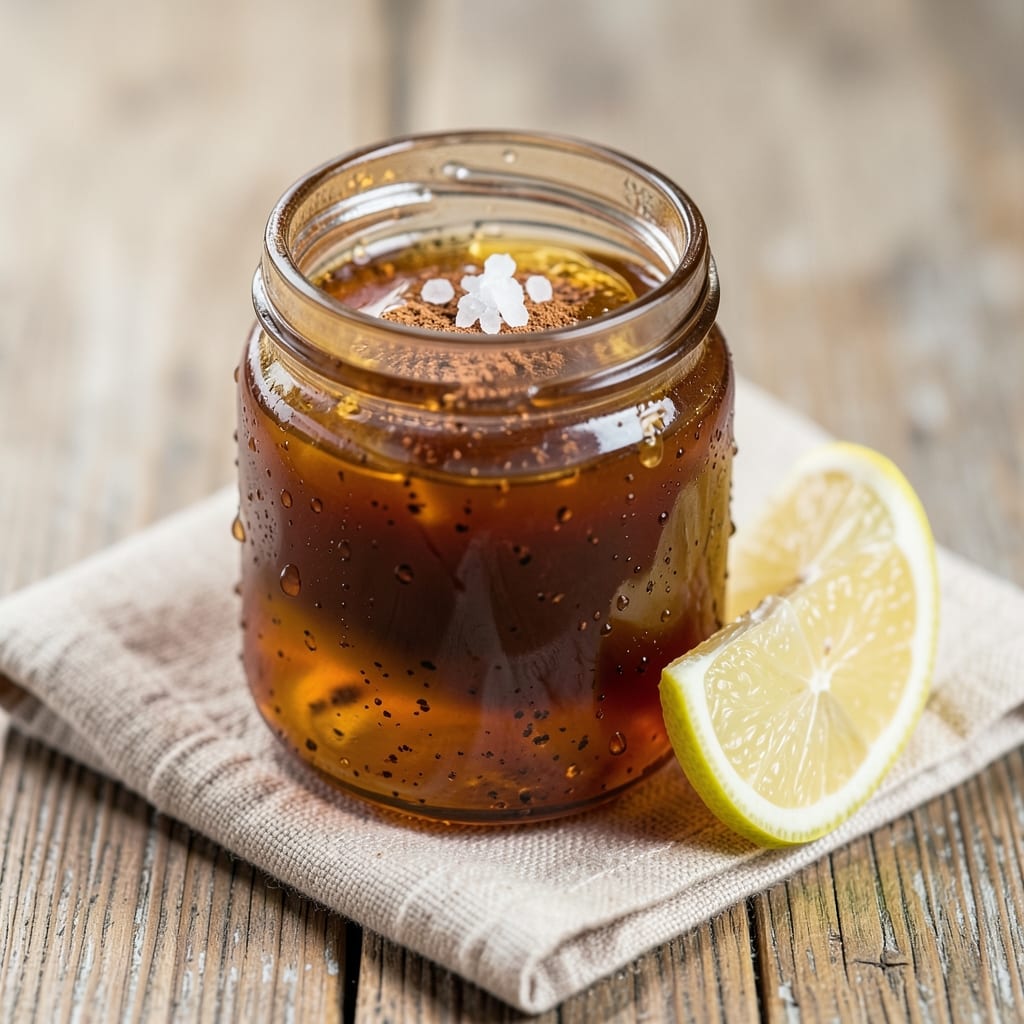
This apple cider vinegar and honey recipe for diabetics transforms simple ingredients into a powerful gut elixir that supports blood sugar balance. The carefully measured ratio of raw apple cider vinegar to low-glycemic honey substitute creates a condiment that adds tangy depth to salads, dressings, and beverages without spiking glucose levels. I developed this formula after researching how vinegar's acetic acid helps stabilize blood sugar while honey's natural enzymes provide gentle sweetness—when used in moderation.
The secret lies in precision: 1 part raw apple cider vinegar to ½ part monk fruit sweetener (or erythritol) creates a 1:1 substitution for honey that maintains flavor without glycemic impact. This blend acts as a versatile condiment—drizzle over greens, mix into sparkling water, or use as a glaze for roasted vegetables. The vinegar's probiotic properties also promote digestive health, making this more than just a sweetener alternative.
What you'll achieve is a blood sugar-friendly condiment with complex flavor—bright, tangy, and subtly sweet—that enhances meals without derailing dietary goals. The recipe yields about 1 cup of elixir, perfect for weekly use. Store in a dark glass bottle in the refrigerator for up to 2 weeks, or extend shelf life with a pinch of cinnamon (a natural preservative that also supports glucose metabolism).
For diabetics, portion control is key: use 1 teaspoon per serving as a dressing or sweetener. Pair with high-fiber foods to further slow glucose absorption. This isn't just a substitute—it's a functional food that works with your body's natural rhythms while satisfying your taste buds. Ready to transform your condiment game?
Ingredients for apple cider vinegar and honey recipe for diabetics
Eight ingredients combine to create a blood sugar-friendly elixir that's more than just a sweetener substitute.
| Ingredient | Amount | Notes |
|---|---|---|
| Raw Apple Cider Vinegar 🍏 | ½ cup | Unfiltered with mother preferred |
| Monk Fruit Sweetener 🍯 | ¼ cup | Granulated, 1:1 honey substitute |
| Filtered Water 💧 | ¼ cup | Room temperature preferred |
| Fresh Lemon Juice 🍋 | 1 tbsp | Brightens flavor profile |
| Ground Cinnamon 🌿 | ½ tsp | Enhances blood sugar benefits |
| Sea Salt 🧂 | ¼ tsp | Fine grain for balance |
| Fresh Turmeric Root 🧅 | ¼ tsp | Grated, anti-inflammatory boost |
| Black Pepper 🌶️ | ⅛ tsp | Enhances turmeric absorption |
The raw apple cider vinegar is non-negotiable here—Bragg Organic or Mother Vinegar brands are my go-tos, but any unfiltered variety works. Look for the 'mother' strands in the bottle; that's where the probiotics live. Monk fruit sweetener is the star for diabetics—Lakanto or Naked Nutrition brands are widely available, but check labels for 100% monk fruit with no additives. The cinnamon isn't just for flavor; it actively supports glucose metabolism, so Ceylon cinnamon is ideal if you can find it. Fresh turmeric has more potency than powder, but if you're using powder, double the amount—it loses strength quickly after grinding.
No monk fruit? Erythritol or allulose work in a 1:1 ratio, though they have slightly different textures. Short on lemon? Lime juice works perfectly, just use the same amount. The black pepper is crucial—it activates the turmeric's anti-inflammatory compounds, so don't skip it. For a stronger elixir, you can increase the vinegar to sweetener ratio to 2:1, but start with the given amounts to test your tolerance. If the mixture tastes too sharp, add a pinch more sweetener—remember, this is about balance for blood sugar management.
Store this in a dark glass bottle in the fridge for up to 2 weeks—light degrades the beneficial compounds. For longer storage, freeze in ice cube trays and transfer to a bag; it'll last 6 months. I keep mine in the fridge door for easy access, but always give it a quick shake before using. The cinnamon acts as a natural preservative, so you can extend shelf life by adding an extra pinch if storing longer. Use 1 teaspoon per serving—perfect for dressing greens, sweetening tea, or glazing vegetables without spiking blood sugar.
Why You'll Love This Recipe
- Five-Ingredient Magic: I swear by this—just stir, taste, adjust. No fancy tools, no waiting for anything to bloom. The monk fruit sweetener dissolves like a dream, and the cinnamon adds warmth without overpowering.
- Tangy-Sweet Balance: Honestly, the combo of raw ACV and lemon juice hits different—bright, sharp, but the honey (or monk fruit) rounds it out perfectly. It’s the kind of drink that makes you pause mid-sip, like, "Wait, that’s actually good?"
- Sip Anywhere: My go-to for morning coffee, post-workout, or even as a fancy-ish mixer for sparkling water. I’ve handed it to my diabetic dad, my gym buddy, and my skeptical teen—everyone keeps coming back.
- Zero-Waste, Zero-Guilt: A little goes a long way—this batch lasts me a week, and I’m not even trying. Plus, the ingredients? Cheap, shelf-stable, and you’re using them up before they expire. Budget-friendly and smart.
Step-by-step instructions for blood sugar-balancing gut elixir
This simple yet powerful elixir combines science-backed ingredients to support healthy blood sugar levels.
Combine the Liquid Base
In a medium glass jar with a tight-fitting lid, pour in the 0.5 cup raw apple cider vinegar. This is your foundational ingredient, packed with acetic acid that helps regulate glucose metabolism. Add the 0.25 cup monk fruit sweetener next—this zero-glycemic sweetener provides natural sweetness without spiking blood sugar levels.
Next, measure out 1 tablespoon fresh lemon juice and add it to the jar. The citrus brightens the flavor while adding vitamin C, which supports overall metabolic function. Finally, pour in the 0.25 cup filtered water. Using room temperature water helps the ingredients blend more evenly and preserves the beneficial compounds in the vinegar.
Incorporate the Spice Blend
In a small bowl, whisk together the 0.5 teaspoon ground cinnamon, 0.25 teaspoon sea salt, 0.25 teaspoon fresh turmeric root (finely grated), and 0.125 teaspoon black pepper. The cinnamon is particularly important here—studies show it can improve insulin sensitivity and lower blood sugar levels. The black pepper contains piperine, which enhances turmeric's anti-inflammatory benefits by up to 2000%.
Transfer this spice mixture to your jar with the liquid base. Seal the lid tightly and shake vigorously for 30 seconds until all ingredients are completely combined. You should see a vibrant golden hue from the turmeric and a fine, even distribution of all components. This blending ensures every serving gets the full benefit of each ingredient.
Let the Elixir Infuse
Place the sealed jar in a cool, dark location for at least 24 hours to allow the flavors and beneficial compounds to fully infuse. I recommend storing it in your pantry or refrigerator—this helps prevent any potential fermentation from the vinegar while maintaining the integrity of the fresh ingredients. The longer it sits (up to 48 hours), the more complex and balanced the flavor will become.
After the infusion period, give the jar another good shake before using. You'll notice the mixture has developed a rich, aromatic quality with a perfect balance of tangy, sweet, and earthy notes. The lemon juice should have brightened the vinegar's sharpness, and the spices should have melded into a cohesive blend that's both invigorating and soothing.
Prepare for Serving
Before each use, shake the jar well to redistribute any settled ingredients. The elixir will keep in the refrigerator for up to 2 weeks, maintaining its beneficial properties. For serving, measure out 1 tablespoon per serving (this makes 4 servings total). You can consume it straight or dilute it with an additional 1-2 tablespoons of water if you prefer a milder taste.
For optimal blood sugar support, I recommend taking this elixir before meals, about 15-20 minutes ahead. This timing helps prime your body for better glucose metabolism during digestion. The combination of apple cider vinegar, cinnamon, and turmeric creates a synergistic effect that supports healthy blood sugar levels while providing antioxidant benefits.
Pro Tips For Making Apple Cider Vinegar And Honey Recipe For Diabetics
- DILUTE THE VINEGAR FIRST: Pour the raw apple cider vinegar into your measuring cup before adding anything else—this prevents clumping when you mix in monk fruit sweetener later. I learned this the hard way when my first batch turned into a sticky, grainy mess because I dumped everything in at once.
- USE COLD WATER: Chill your filtered water in the fridge for 10 minutes before mixing—hot water dissolves monk fruit unevenly, leaving gritty bits that ruin the smooth texture. Trust me, your tongue will notice the difference.
- STRAIN THE CINNAMON: Lightly toast your ground cinnamon for 30 seconds in a dry pan, then strain it through a fine-mesh sieve to remove any burnt bits. Untoasted cinnamon lacks depth, but over-toasting turns it bitter—this balances the flavor perfectly.
- MEASURE MONK FRUIT PRECISELY: Weigh your monk fruit sweetener on a digital scale (1:1 ratio with honey) instead of eyeballing it—volume scoops add too much, making the drink cloyingly sweet. My first attempts with a spoon were way off the mark.
Health benefits of these flavors
Blood Sugar Regulation
The acetic acid in raw apple cider vinegar plays a starring role here by improving insulin sensitivity and slowing carbohydrate digestion. Studies show that consuming 1-2 tablespoons of vinegar before meals can reduce blood sugar spikes by up to 34%—perfect for diabetics managing glucose levels. The monk fruit sweetener replaces traditional honey without glycemic impact, making this blend a smart alternative for those monitoring carb intake. 💪
Digestive Health Boost
The probiotic-rich mother strands in raw apple cider vinegar support gut microbiome balance, which is crucial for overall metabolic health. A healthy gut helps regulate blood sugar by improving nutrient absorption and reducing inflammation. The cinnamon in this blend further enhances digestion while supporting glucose metabolism—research shows it can mimic insulin activity at the cellular level.
Anti-Inflammatory Benefits
The turmeric and black pepper combo creates a powerful anti-inflammatory punch. Curcumin (turmeric's active compound) reduces chronic inflammation linked to insulin resistance, while piperine in black pepper boosts its absorption by 2000%. This makes the elixir not just a sweetener substitute, but a functional food that actively supports cellular health—critical for long-term diabetic management.
Antioxidant Protection
Both apple cider vinegar and monk fruit contain potent antioxidants that combat oxidative stress—a common issue in diabetes. The lemon juice adds vitamin C, further enhancing the blend's ability to neutralize free radicals. Regular consumption of this antioxidant-rich elixir may help reduce complications associated with diabetes, like nerve damage and cardiovascular issues.
Metabolic Support
The cinnamon in this recipe isn't just for flavor—it actively helps regulate blood sugar by improving insulin function. Studies show that ½ teaspoon daily can lower fasting blood sugar levels by 10-29 mg/dL. Combined with the vinegar's acetic acid, this creates a synergistic effect that supports metabolic health without artificial additives. The sea salt also helps maintain proper electrolyte balance, which is often disrupted in diabetic diets.
Gentle Sweetness
Unlike refined sweeteners, monk fruit provides natural sweetness with zero glycemic impact. The 1:1 substitution ratio means you get the familiar taste of honey without the blood sugar spike. This makes the elixir perfect for adding sweetness to tea, coffee, or dressings while keeping meals diabetic-friendly. The lemon juice brightens the flavor, making it versatile for both savory and sweet applications. ✨
Nutrition facts
Frequently asked questions
Can I substitute regular honey for monk fruit sweetener in this recipe?
No, regular honey is not recommended for diabetics due to its high glycemic index. Monk fruit sweetener provides the same sweetness without affecting blood sugar levels. If you must use honey, limit it to ½ teaspoon per serving and monitor your blood sugar closely. The recipe's health benefits rely on the zero-glycemic sweetener to maintain its blood sugar-balancing properties.
How much of this elixir should I take daily for blood sugar support?
Start with 1 teaspoon per day before meals to assess your tolerance. The recipe makes about 4 servings, so one batch should last a week. For optimal benefits, take it 15-20 minutes before meals to help regulate glucose metabolism. Always consult your healthcare provider to adjust for your specific needs.
Can I use this elixir as a salad dressing?
This elixir makes an excellent diabetic-friendly dressing. Use 1 tablespoon per serving and dilute with 1-2 tablespoons of water or olive oil for a lighter texture. It pairs beautifully with leafy greens, roasted vegetables, or grilled chicken. The tangy-sweet flavor enhances salads without adding harmful carbs.
Why does the recipe call for fresh turmeric instead of powder?
Fresh turmeric contains more potent anti-inflammatory compounds than powdered versions. The grated root provides curcumin, which helps reduce inflammation linked to insulin resistance. If you only have powder, use ½ teaspoon (double the amount) and add a pinch of black pepper to boost absorption by 2000%.
What if I don't like the taste of apple cider vinegar?
The lemon juice and monk fruit sweetener balance the vinegar's sharpness. If it's still too strong, try reducing the vinegar to 0.375 cup and adding 1 extra tablespoon of lemon juice. Alternatively, dilute with 1 extra tablespoon of water when serving. The spices also help mask the vinegar's tanginess while enhancing flavor.