
Main Courses
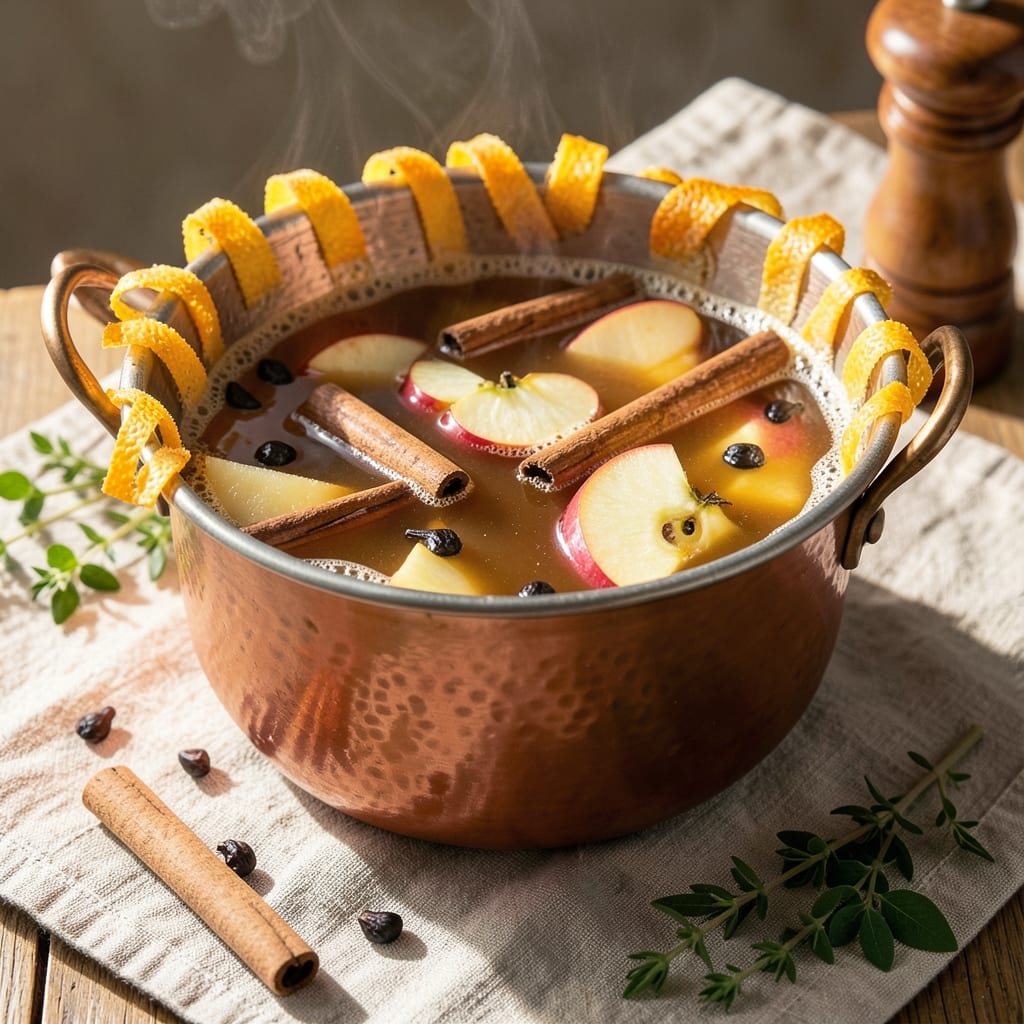
This apple cider recipe using apples transforms fresh fruit into a rich, slow-simmered beverage bursting with caramelized sweetness and warm spices. The process begins with pressing apples to extract their natural juices, then simmering them with cinnamon, cloves, and a touch of brown sugar until deep, aromatic flavors develop. It’s the kind of recipe that captures the essence of autumn in every sip—perfect for cozy evenings or festive gatherings.
The beauty of this method lies in its simplicity and adaptability. You can keep it traditional with classic spices or experiment with modern twists like orange zest or ginger for a brighter profile. The slow simmering process ensures a smooth, velvety texture with layers of flavor that bottled cider can’t match. Whether you prefer it warm and spiced or chilled with a hint of ice, this recipe delivers restaurant-quality results at home.
What makes this cider truly special is the depth of flavor achieved through caramelization. As the apples simmer, their natural sugars concentrate, creating a rich, almost syrupy consistency that’s ideal for sipping or even drizzling over desserts. The spices infuse gradually, ensuring every cup is aromatic and balanced. No special equipment is needed—just a large pot, fresh apples, and patience to let the flavors meld.
Once complete, you’ll have a versatile beverage that works as a standalone drink or pairs beautifully with roasted meats, cheese boards, or apple-based desserts. Store leftovers in the refrigerator for up to a week, or freeze for longer shelf life. This recipe is a celebration of seasonal ingredients and the timeless art of slow cooking.
Ingredients for apple cider recipe using apples
Fresh apples, warm spices, and slow simmering create this velvety cider with restaurant-quality depth.
| Ingredient | Amount | Notes |
|---|---|---|
| Apples 🍎 | 4 lb | Mix of sweet and tart varieties |
| Brown Sugar 🍚 | 1 cup | Packed, light or dark |
| Cinnamon Sticks 🌿 | 3 whole | 2-inch pieces for infusion |
| Whole Cloves 🌶️ | 6 whole | For aromatic depth |
| Orange Peel 🍊 | 1 tbsp | Freshly grated zest |
| Water 💧 | 8 cups | Filtered preferred |
| Lemon Juice 🍋 | 2 tbsp | Freshly squeezed |
| Salt 🧂 | ½ tsp | Kosher or sea salt |
| Vanilla Extract 🌸 | ½ tsp | Pure vanilla for aroma |
| Ice Cubes ❄️ | 2 cups | For serving chilled |
The apples are the foundation—mix sweet varieties like Fuji or Gala with tart ones like Granny Smith for balance. Local farmers markets often have seasonal apples at peak flavor, but grocery store options work too. Look for firm, unblemished fruit with vibrant color. If using organic apples, no need to peel—just core and quarter. For convenience, Trader Joe's sells pre-washed, pre-cored apples that save time. The brown sugar isn't just for sweetness; it helps caramelize the apple juices during simmering, creating that rich, syrupy texture the intro promises.
No cinnamon sticks? Ground cinnamon at half the amount works in a pinch, though whole sticks infuse better. Short on cloves? Allspice berries or star anise add similar warmth. The orange zest can be swapped for lemon zest if you prefer a brighter profile, though orange adds that signature cider brightness. For a modern twist, add fresh ginger (1 tsp grated) to the simmering pot. The lemon juice is critical—it balances sweetness and preserves color. If you're serving this chilled, add the ice cubes just before pouring, or chill the cider in the fridge for 2 hours for a smoother texture.
This cider keeps beautifully—up to 1 week refrigerated or 3 months frozen in airtight containers. For freezing, leave 1-inch headspace as liquids expand. Reheat gently on the stove or microwave for 20 seconds. The spices can be removed after simmering for a cleaner presentation, or left in for extra aroma. For serving, pour over vanilla bean ice cream or drizzle over apple crisp—the possibilities are endless. The slow simmering process means flavors only get better with time, so don't rush it.
Why You'll Love This Recipe
- No Chopping Needed: I swear by this—just peel and core those apples, then toss them in whole. No dice, no fuss, and still gets that rich, rustic texture from the cinnamon and cloves simmering right in.
- Spiced to Perfection: That first sip? Warm, deep, and just sweet enough thanks to the brown sugar and orange peel brightening it up. Honestly, the cloves add a subtle kick that makes it feel special without trying too hard.
- Weeknight or Holiday: Same recipe works for a quick dinner (add bread and cheese) or a cozy gathering. I’ve served it at potlucks and even as a breakfast drink—because why not? The aroma alone makes any day feel like a celebration.
- Leftovers That Last: This batch keeps for days in the fridge, and reheating it? Just a splash of water and a few minutes on the stove. Between us, I’ve had it cold too—like a spiced apple tea. Budget-friendly and always welcome.
Step-by-step instructions for slow-simmered apple cider
Transform fresh apples into rich, spiced cider with deep caramelized flavor and aromatic complexity.
Prepare and Core the Apples
Wash the 4 lb apples thoroughly under cold water to remove any dirt or wax. Using a sharp chef's knife, cut each apple into 8-10 equal wedges, leaving the core intact. This shape ensures even cooking and prevents the cider from becoming too watery.
Remove the cores completely and discard them. I like to leave the skins on for maximum flavor and color, but if you prefer a smoother texture, you can peel them first. The skins contain valuable fiber and natural sweetness that enhance the finished cider.
Combine Ingredients and Simmer
In a large, heavy-bottomed pot, combine the apple wedges, all 8 cups of water, 1 cup of packed brown sugar, 3 whole cinnamon sticks, 6 whole cloves, 1 tbsp of orange peel, 0.5 tsp of salt, and 2 tbsp of lemon juice. Stir gently to ensure all ingredients are submerged and the spices are fully integrated.
Place the pot over medium-high heat and bring the mixture to a rolling boil. Once boiling vigorously, reduce the heat to medium-low to maintain a gentle simmer. You'll see small bubbles forming steadily at the surface—this indicates the proper cooking temperature. Cover the pot with a lid and let it simmer uncovered for 45-60 minutes.
Cook Until Apples Break Down
After 45 minutes, use a wooden spoon to gently press down on the apple wedges. They should be soft enough to mash easily with minimal resistance. If they're not yet tender, continue simmering for another 15 minutes, checking every 10 minutes to ensure the liquid doesn't reduce too much.
As the apples cook, they'll release their natural juices and sugars, creating a rich, golden liquid. The spices will infuse deeply, filling your kitchen with warm, aromatic notes. The cider should have a thick, syrupy consistency—almost like a light sauce—when the apples are fully tender.
Strain and Add Final Flavors
Line a fine-mesh strainer with cheesecloth or a clean kitchen towel. Carefully pour the cider mixture through the strainer into a large bowl or pitcher, pressing gently on the solids to extract maximum liquid. Discard the apple pulp and spices in the strainer.
Return the strained cider to the pot and stir in the 0.5 tsp of vanilla extract. Taste and adjust the sweetness if needed—add more brown sugar if it's too tart, or a splash of lemon juice if it's too sweet. The cider should balance rich apple flavors with bright acidity and warm spice notes.
Serve Chilled with Ice
Let the cider cool to room temperature, then transfer it to the refrigerator to chill completely. Serve over 2 cups of ice cubes in individual glasses or a large pitcher. The ice will dilute the cider slightly, creating a refreshing, frosty beverage perfect for fall gatherings.
For an extra touch, garnish each serving with a cinnamon stick or a sprinkle of freshly grated orange peel. The contrast of warm spices and cool, crisp cider makes this a truly seasonal treat that captures the essence of autumn harvests.
Pro Tips For Making Apple Cider Recipe Using Apples
- PEEL ORGANIC ORANGES ONLY: Store-bought orange peels are wax-coated and taste like plastic. Skip the scrubbing—just slice off the outer yellow layer with a knife, then zest the rest. (Yes, even if you’re impatient, this makes a real difference.)
- USE TART APPLES ONLY: Honeycrisp or Fuji? No. Grab Granny Smiths or Braeburns—their sharpness cuts through the sweetness and keeps the cider from tasting like syrup. (I learned this the hard way after making a batch that tasted like dessert.)
- SIMMER LOW AND SLOW: Cranking the heat to boil burns the sugar and makes the cider bitter. Keep it at a gentle bubble—just enough to see tiny ripples—and let it work its magic for at least 45 minutes. (Your future self will thank you.)
- STRAIN TWICE: First pass through a fine-mesh sieve catches cloves and cinnamon. Second pass with cheesecloth removes the last of the pulp, giving you silky-smooth cider. (Does it look weird? Yes. Does it work? Every single time.)
Creative variations of this recipe
Spiced vs. Clear Cider
For a traditional spiced cider, keep all the whole spices (cinnamon sticks and cloves) in during simmering, then remove them before straining. This creates a rich, aromatic flavor profile perfect for fall gatherings. If you prefer a clear, spice-free version, strain the cider immediately after simmering and add ground spices separately—just a pinch of cinnamon and nutmeg per serving. 🌿
Modern Twists
Add fresh ginger (1 tsp grated) or cardamom pods (2-3) for an unexpected twist on classic flavors. For a brighter profile, swap orange zest for lemon or lime zest—it cuts through the sweetness beautifully. I love adding a splash of bourbon (1 oz per quart) after simmering for a festive touch during holiday parties.
Sweet & Tangy Balance
Adjust sweetness by adding extra brown sugar (1 tbsp at a time) if your apples are tart, or lemon juice (1 tsp) if they're overly sweet. For a tangy kick, try adding 1 tbsp apple cider vinegar during the final 10 minutes of simmering. This balances flavors beautifully without overpowering the natural apple taste.
Regional Variations
In New England, add maple syrup (2 tbsp) for a deeper caramel note. Southern styles often include a pinch of cayenne for subtle heat. For a Pacific Northwest twist, incorporate fresh pear slices with the apples—they add a floral sweetness that pairs wonderfully with cinnamon.
Dietary Adaptations
For a low-sugar version, reduce brown sugar to ½ cup and use stevia or monk fruit sweetener instead. Vegan-friendly? Skip vanilla extract and use vanilla bean paste (check for alcohol-free brands). Gluten-free? This recipe is naturally safe—just ensure your spices are certified gluten-free if needed.
Year-Round Serving Ideas
Serve warm with whipped cream and a sprinkle of nutmeg in winter, or chilled with a rosemary sprig for summer BBQs. For a festive holiday drink, rim glasses with cinnamon sugar and add a cinnamon stick stirrer. The versatility of this cider makes it perfect for any season! ✨
Nutrition facts
Frequently asked questions
Can I make this apple cider without a strainer?
Yes! If you don't have a fine-mesh strainer, use a clean kitchen towel or cheesecloth to line a colander. For a quicker method, blend the cooked apples with water, then strain through a nut milk bag or even a clean pillowcase. Just be prepared for slightly more pulp in your finished cider.
How do I adjust this recipe for fewer apples?
Scale down all ingredients proportionally. For 2 lb of apples, use 4 cups water, ½ cup brown sugar, and halve all spices. Keep the simmering time at 45-60 minutes—smaller batches cook faster. The ratio of apples to water should remain roughly 1:2 for proper flavor balance.
Can I use frozen apples for this cider?
Fresh apples work best for maximum flavor, but you can use frozen apples if that's all you have. Thaw them first, then proceed with the recipe. Frozen apples may release more water, so reduce the total liquid by 1 cup to maintain the right consistency. The texture will be slightly less velvety, but still delicious!
What's the best way to store leftover cider?
Transfer the cider to airtight containers and refrigerate for up to 1 week. For longer storage, freeze in 1-cup portions with ½-inch headspace (liquids expand when frozen). Thaw overnight in the fridge—never at room temperature. The flavor actually improves after refrigeration as spices meld further.
Why did my cider turn cloudy?
Cloudiness usually means the cider wasn't strained thoroughly or contains fine apple particles. For clearer cider, strain through a coffee filter or let it settle for 2 hours before carefully pouring off the top liquid. If it's too thick, add 1-2 tbsp water per cup to adjust consistency. This won't affect taste!