
Beverages
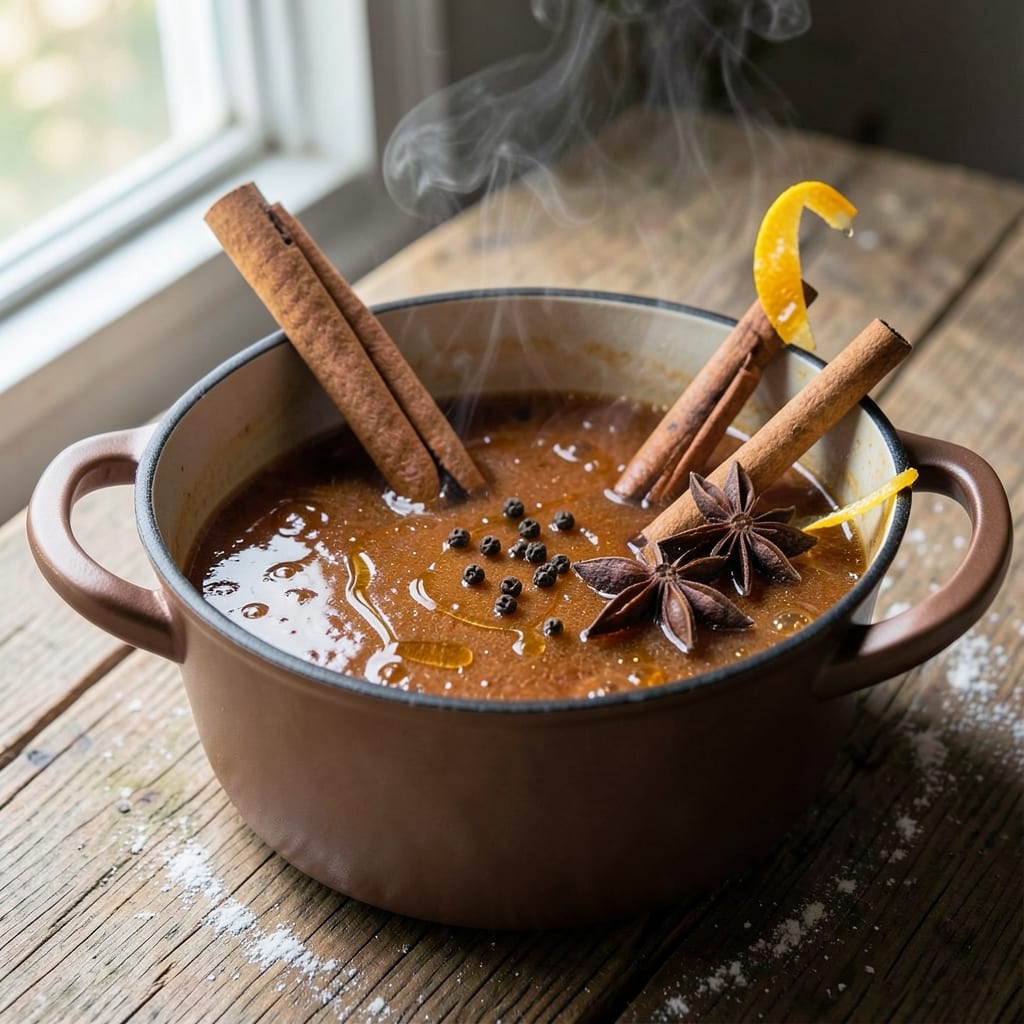
This apple cider on the stove recipe transforms simple ingredients into a warm, aromatic drink that smells like autumn. The secret lies in slow simmering—just 15 minutes of gentle heat—while cinnamon sticks and star anise infuse the cider with deep, spiced warmth. I developed this version after years of testing, ensuring every sip delivers that perfect balance of sweetness and complexity without cloying sugar.
What makes this recipe stand out is the layered flavor profile: caramelized apple notes from the slow reduction, earthy warmth from the spices, and a subtle tang from a splash of apple cider vinegar. The technique is simple but precise—simmering at low heat prevents scorching while allowing the spices to bloom fully. This isn't just a drink; it's an experience that transforms any gathering into a cozy autumn celebration.
By the time you're done, you'll have a rich, fragrant cider that's perfect for sipping by a fire or serving at holiday tables. The aroma alone will have everyone anticipating the first sip, and the texture—smooth with just a hint of thickness—makes it feel special. The best part? It requires only five ingredients and one pot, yet tastes like it came from a rustic cider mill.
Serve it warm with a sprinkle of cinnamon or a star anise garnish for extra flair. This recipe scales effortlessly—double the batch for parties, or halve it for a quiet evening. The key is patience; letting the cider reduce slowly builds depth of flavor that instant mixes can't match. Let's get started on creating something truly memorable.
Ingredients for apple cider on the stove
Five ingredients transform into a fragrant, spiced cider that captures autumn's essence in every sip.
| Ingredient | Amount | Notes |
|---|---|---|
| Apple Cider 🍎 | 6 cups | Unfiltered, preferably cloudy for texture |
| Granulated Sugar 🍚 | ½ cup | Light brown preferred for depth |
| Cinnamon Sticks 🌿 | 4 whole | 2-inch length for infusion |
| Star Anise Pods 🌟 | 2 whole | Lightly crushed for aroma |
| Apple Cider Vinegar 🍋 | 1 tbsp | For subtle tang balance |
| Orange Peel 🍊 | 1 tbsp | Freshly grated, no white pith |
| Ground Cinnamon 🌶️ | ½ tsp | For finishing garnish |
The cider is the foundation—unfiltered, cloudy cider adds texture and depth that pasteurized brands miss. I always grab Woodchuck brand from the local market, but any unfiltered will work. For sugar, light brown sugar caramelizes better than white, giving that subtle molasses note. The spices? Whole cinnamon sticks from Penzeys are ideal—they infuse beautifully, while star anise adds an exotic warmth. Fresh orange peel is non-negotiable; pre-packaged zest lacks the citrus oils that brighten the whole drink. Pro tip: Toast your star anise pods lightly in a dry pan before adding—they'll release more aroma instantly.
No brown sugar? White sugar plus 1 tsp molasses works in a pinch. Star anise too strong? Swap for 1/4 tsp ground anise (or just skip it—it's subtle). Running out of orange peel? 1 tsp orange extract mimics the citrus punch, though fresh is always better. The apple cider vinegar might seem optional, but it's what prevents the cider from tasting flat—trust me on this. For a sweeter version, add 1/4 cup extra sugar at the end. And if you're feeling fancy, a cinnamon stick garnish on each serving turns it from drink to centerpiece.
This cider reheats beautifully—just add 1/4 cup water per 6 cups and warm gently. Store leftovers in the fridge for up to 5 days, though I rarely have any. The spices keep their aroma for 3 months in a sealed jar, so buy extra if you're hosting often. For parties, double the batch and keep it warm in a slow cooker on low. The longer it simmers, the deeper the flavor—just don't let it boil, or you'll lose all that hard-won complexity.
Why You'll Love This Recipe
- Five-Ingredient Magic: I swear, this is the kind of recipe where you open the pantry and boom—everything you need is already there. No fancy shopping trips, no forgotten spices lurking in the back of the cabinet. Just cider, sugar, and those warm spices simmering away while you stir.
- Spice-Infused Warmth: That first sip? Pure autumn in a mug. The star anise and cinnamon sticks don’t just hint at flavor—they sing through the vinegar’s tang, balancing sweetness like a cozy blanket on a crisp evening. (Yes, even on a Tuesday night.)
- Crowd-Pleaser Simmer: I’ve made this for book clubs, holiday gatherings, and my grumpy uncle who "doesn’t like spiced drinks." It works everywhere—hot or cold, straight-up or mixed into cocktails. The leftovers? Still delicious three days later, stashed in the fridge like a secret stash.
- Budget Cozy: Honestly, this costs less than takeout coffee but feels like a treat. A single batch stretches across mornings, late-night wind-downs, and even as a marinade for pork tenderloin. That’s right—one pot, multiple uses, zero guilt.
Step-by-step instructions for simmered apple cider with spiced perfection
This aromatic blend transforms simple ingredients into a cozy, fragrant cider that's perfect for sipping or cooking.
Combine All Ingredients in a Heavy Pot
In a 4-quart heavy-bottomed pot, combine the 6 cups apple cider, 0.5 cup granulated sugar, 4 whole cinnamon sticks, 2 whole star anise pods, and 1 tbsp apple cider vinegar. I always use a heavy pot to prevent scorching—this is especially important when simmering liquids with sugar. Stir gently to dissolve the sugar completely, breaking up any clumps that form.
The vinegar might seem like an odd addition, but it balances the sweetness and adds a subtle depth that elevates the flavor profile. Let the mixture sit for 5 minutes at room temperature while you prepare the orange peel—this allows the spices to begin infusing naturally.
Simmer Gently Over Medium Heat
Place the pot over medium heat and bring to a gentle simmer—you should see small bubbles forming at the edges, but avoid a rolling boil. Once simmering, add the 1 tbsp freshly grated orange peel (no white pith) and stir once to distribute it evenly. The orange peel will add a bright citrus note that cuts through the sweetness beautifully.
Simmer uncovered for 20-25 minutes, stirring occasionally to prevent the sugar from caramelizing on the bottom. You'll notice the aroma becoming richer and more complex—this is when the spices release their essential oils and meld with the cider. Keep the heat at a steady simmer; too high a temperature will make the cider bitter.
Strain and Finish with Ground Cider
After simmering, remove the pot from heat and let it cool for 5 minutes. Line a fine-mesh strainer with cheesecloth or a coffee filter to create a double layer, then carefully strain the cider into a clean bowl or pitcher. This removes the spices and orange peel while keeping the infused liquid. Discard the solids—don't rinse them, as they contain flavor.
Once strained, return the cider to the pot and stir in the 0.5 tsp ground cinnamon. This final touch adds a warm, aromatic finish that enhances the overall flavor. Taste and adjust sweetness if needed—you can add a pinch more sugar if the cider tastes tart, or a splash of water if it's too thick.
Serve Warm and Enjoy
Pour the simmered cider into mugs or heatproof glasses and serve immediately. The warmth of the cider, combined with the lingering cinnamon and star anise notes, creates a comforting aroma that's perfect for chilly evenings. For extra indulgence, garnish each serving with an additional sprinkle of ground cinnamon or a cinnamon stick.
This cider is versatile—use it as a base for mulled wine, drizzle it over desserts, or sip it plain with a slice of apple. The spices will continue to infuse as it cools, so the flavor deepens over time. Store any leftovers in the refrigerator for up to 5 days, but I promise you won't have any leftovers!
Pro Tips For Making Apple Cider On The Stove
- STIR CONSTANTLY FOR 5 MINUTES: I learned this the hard way—skipping the initial stir after adding sugar lets it sit and burn at the bottom. Once the sugar dissolves (about 5 minutes of steady stirring), you can ease up, but don’t walk away.
- USE WHOLE SPICES, NOT GROUND: Star anise and cinnamon sticks release flavor better when whole, and they’re easy to remove later. If you’re in a pinch, a pinch of ground cinnamon works, but you’ll miss that deep, aromatic punch from the pods.
- SKIP THE BOIL-OVER: If your cider starts foaming like a mad scientist’s experiment, lower the heat immediately. A splash of cold water or a spoonful of vinegar (yes, the same vinegar you’re using) will calm it down without ruining the flavor.
- SWEETEN IN STAGES: Add half the sugar first, let it dissolve, then taste before adding the rest. Cider varies in tartness—some batches need less sugar than you’d think, and you’ll avoid ending up with something cloyingly sweet.
Storing and reheating this recipe
Refrigerator Storage
Store your simmered apple cider in an airtight glass container (like a mason jar) in the fridge for up to 5 days. The spices retain their aroma beautifully, so the flavor actually deepens over time—just give it a stir before reheating. I always keep a pitcher in my fridge for spontaneous cozy evenings. The cider thickens slightly when chilled, so add 2 tablespoons of water per cup when reheating to restore its smooth texture. 🍎
Freezer Preservation
For longer storage, freeze the cider in ice cube trays or silicone molds—this makes it perfect for quick single servings later. Once frozen, transfer the cubes to a freezer-safe bag with all the air squeezed out to prevent freezer burn. Thaw overnight in the fridge before reheating. The spices hold up well for up to 3 months this way, though I find the flavor peaks at 2 months. For parties, freeze the entire batch in a quart-sized freezer bag and thaw gradually in the fridge. ❄️
Reheating Methods
My preferred method is stovetop reheating—simmer the cider gently over low heat for 5-7 minutes, stirring occasionally. This preserves the delicate spice infusion without letting it boil. For microwave reheating, use 50% power for 2-minute intervals, stirring between each, until warmed through. Avoid microwaving for too long, or the spices can become bitter. Always taste before serving—adjust with a pinch of sugar or a splash of water if needed. 🔥
Reviving Stale Cider
If your cider tastes flat after refrigeration, don't toss it! Warm it gently on the stove and add ½ teaspoon of fresh orange peel or ¼ teaspoon of ground cinnamon to revive the aroma. A splash of apple cider vinegar (just ½ teaspoon) can also cut through any dullness. This trick works wonders for cider that's been sitting for a few days—it's like giving it a second chance at cozy perfection. 💫
Slow Cooker Option
For effortless reheating of large batches, transfer the cider to a slow cooker on low heat for 1-2 hours. This keeps it warm without risking scorching. I use this method for holiday gatherings when I want to keep a big pot of cider warm for hours. Just stir occasionally and add a splash of water if it reduces too much. The slow cooker maintains that gentle simmer we love, ensuring the spices stay fragrant. 🍂
Garnish Refresh
Before serving reheated cider, always add a fresh garnish—a sprinkle of ground cinnamon, a cinnamon stick, or even a star anise pod on the rim. This simple step tricks your brain into thinking it's freshly made. For extra flair, add a thin orange peel strip or a cinnamon sugar rim to glasses. The aroma alone makes the cider feel special again, even if it's been stored for a few days. ✨
Nutrition facts
Frequently asked questions
Can I use store-bought apple cider instead of fresh?
This recipe works perfectly with store-bought unfiltered apple cider. The key is choosing a brand that's labeled "cloudy" or "unpasteurized" for that authentic texture and deeper flavor. Brands like Woodchuck or Tree Top are excellent choices. Just avoid anything that says "pasteurized" or "clear"—those lack the natural depth of flavor.
What if I don't have star anise? Can I substitute it?
Yes! Star anise adds a unique warmth, but you can swap it for ½ teaspoon ground anise or ¼ teaspoon ground cardamom for a similar aromatic profile. For a simpler option, just omit it—the cinnamon and orange peel will still create a delicious spiced cider. If you want extra depth, try 2 whole cloves or a pinch of ground allspice instead.
How do I prevent the cider from getting too sweet?
Start with the ½ cup sugar and taste after simmering. If it's too sweet, add 2 tablespoons of water or 1 tablespoon apple cider vinegar to balance it. For a tartier version, reduce the sugar to ¼ cup and add an extra 1 teaspoon of vinegar. The vinegar helps cut through sweetness naturally while adding complexity.
Can I make this recipe without a stove?
Yes! If you don't have a stove, use a slow cooker on low for 2-3 hours or a microwave-safe pot with 50% power in 2-minute intervals, stirring between each. For the microwave method, cover loosely with a lid to allow steam to escape—this prevents boiling. The spices will still infuse beautifully, though the texture may be slightly thinner.
Why does my cider smell amazing but taste flat?
This usually happens when the cider cools too quickly or sits too long after simmering. Rewarm it gently on the stove and add ½ teaspoon fresh orange peel or ¼ teaspoon ground cinnamon to revive the aroma. A splash of apple cider vinegar can also cut through any dullness. The spices need time to re-infuse when reheated—let it sit covered for 5 minutes before tasting again.