
Desserts
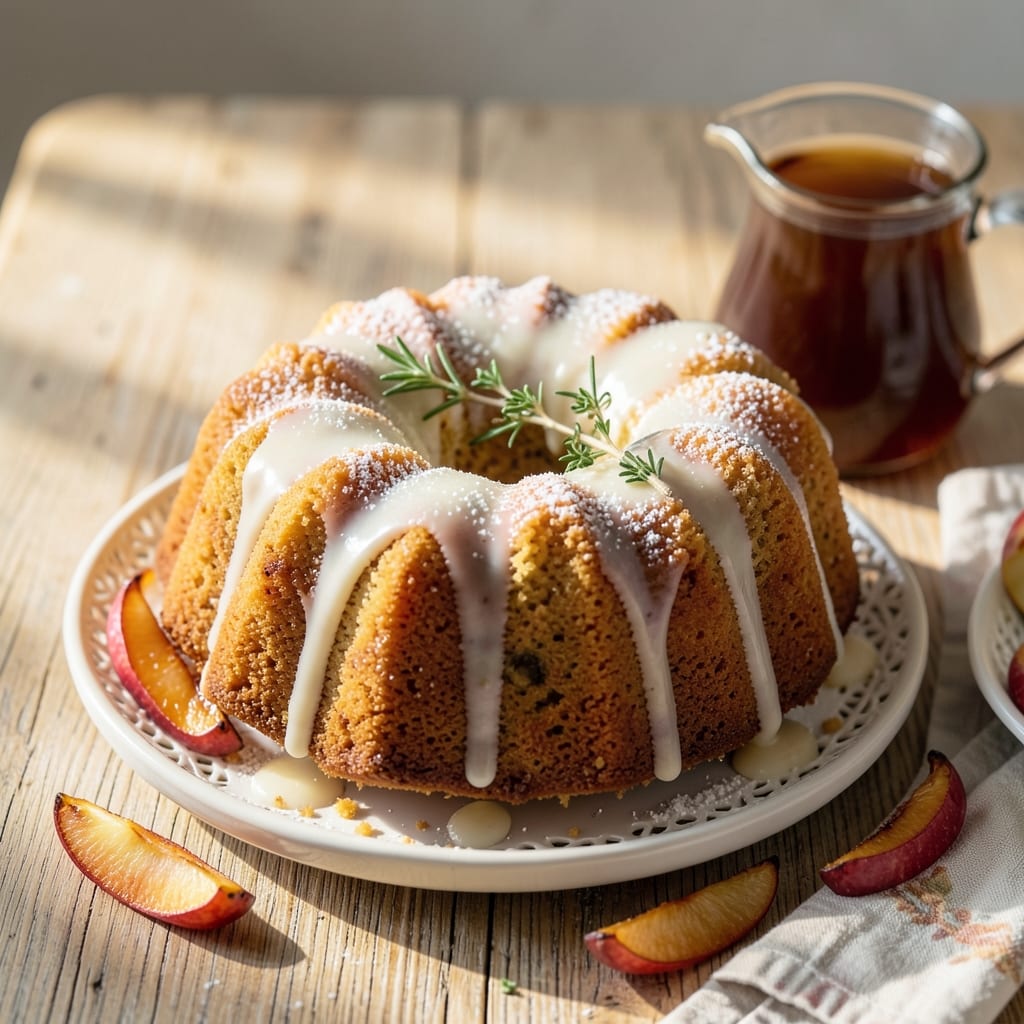
This apple cider mini bundt cake recipe delivers cozy, spice-infused bites that taste like autumn in every bite. 🍂 The secret lies in a warm apple cider glaze that caramelizes beautifully on the edges while keeping the centers tender. I've perfected this technique over years of baking, ensuring each delicate bundt cake has that perfect balance of moist crumb and crisp exterior.
What makes these mini bundt cakes special is their individual size—ideal for parties or portion control—while still delivering that classic bundt cake flavor. The recipe combines simple pantry staples with warm spices like cinnamon and nutmeg, creating a dessert that feels both comforting and sophisticated. Baking time is just 20-25 minutes, making them perfect for weeknight treats or holiday gatherings.
The real magic happens with the apple cider glaze, which transforms ordinary cake into something extraordinary. This glaze isn't just sweet—it's infused with the same warm spices used in the cake, creating a cohesive flavor experience. The caramelized edges add texture contrast that elevates each bite from good to unforgettable.
These mini bundt cakes are versatile enough for any occasion—serve them at brunch, holiday desserts, or as a special treat for friends. The recipe scales easily, so you can make a dozen or a hundred without losing that homemade charm. Let's get baking!
Ingredients for apple cider mini bundt cake
Twelve cozy mini bundt cakes with caramelized edges and spiced cider glaze await you.
| Ingredient | Amount | Notes |
|---|---|---|
| All-Purpose Flour 🌾 | 2 ½ cups | Sifted for light texture |
| Granulated Sugar 🍚 | 1 ½ cups | White or light brown |
| Light Brown Sugar 🍚 | ½ cup | Packed firmly |
| Unsalted Butter 🧈 | 1 cup | Cold, cubed for even baking |
| Large Eggs 🥚 | 3 whole | Room temperature |
| Apple Cider 🍎 | 1 cup | Unsweetened, chilled |
| Vanilla Extract 🌿 | 1 tbsp | Pure, high-quality |
| Ground Cinnamon 🌶️ | 2 tsp | Freshly ground preferred |
| Ground Nutmeg 🌶️ | ½ tsp | Freshly grated |
| Ground Cloves 🌶️ | ¼ tsp | Sparingly for depth |
| Baking Powder 🧂 | 2 tsp | Aluminum-free preferred |
| Salt 🧂 | ½ tsp | Fine sea salt |
| Powdered Sugar 🍚 | 1 ½ cups | For glaze |
| Apple Cider Vinegar 🍎 | 1 tbsp | For glaze tang |
| Unsalted Butter 🧈 | ¼ cup | Melted for glaze |
The apple cider is the heart of this recipe—Mott's or Woodchuck are my go-tos, but any unsweetened variety works. Look for brands with real apple flavor, not artificial aftertaste. The spices need to be fresh: Penzeys Spices or bulk bins at Whole Foods are great for quality. For the flour, King Arthur or Gold Medal are reliable choices. The butter should be cold when you measure it—press it into the measuring cup for accuracy. Mini bundt pans make all the difference here; Wilton or Nordic Ware are the gold standard for even baking.
No apple cider vinegar? Lemon juice works in a pinch—just reduce the powdered sugar slightly to balance the extra acidity. Substituting brown sugar for white? Use 10% less since it's more moist. The glaze needs to be thick enough to drip but not so runny it pools—adjust powdered sugar gradually. For a richer flavor, add a pinch of cinnamon to the glaze. If you're making these ahead, bake the cakes 1 day early and store them at room temperature—they actually taste better the next day as the flavors meld.
Store the baked cakes in an airtight container with parchment paper between layers for up to 5 days. The glaze can be made up to 3 days ahead and reheated gently before serving. For a special touch, dust with extra powdered sugar right before serving. These cakes freeze beautifully too—wrap individually in plastic wrap before freezing for up to 3 months. When reheating from frozen, warm in a 200°F oven for 10 minutes to restore that fresh-baked texture.
Why You'll Love This Recipe
- No Fuss Mixing: I swear by this batter—just creamed butter, sugars, and eggs until light, then fold in flour like you’re tucking in a blanket. No sifting, no stress, and the brown sugar keeps things moist without extra effort. (Yes, even on a Tuesday night.)
- Spiced Comfort in Every Bite: That caramelized apple cider swirl? It’s like autumn in cake form—warm, slightly tart, and wrapped in vanilla warmth. The brown sugar crust? Pure satisfaction, especially when the butter melts into that tender crumb.
- Party-Ready in Minutes: These little cakes disappear at gatherings, but they’re so easy to scale. Double the batch for a brunch spread, halve it for a cozy dessert with coffee. They even reheat beautifully—just pop in the oven for a crispy edge.
- Budget-Friendly Luxury: You’re using pantry staples—flour, sugar, butter—that stretch far. A single batch costs me less than takeout, yet feels like a treat. Plus, leftovers? They last days if you store them right, making this my secret weapon for stress-free baking.
Step-by-step instructions for apple cider mini bundt cakes
Master these techniques and you'll achieve perfectly caramelized edges with moist, spice-infused centers every time.
👨🍳 Step 1: Prepare the Dry Ingredients and Spice Blend
In a medium bowl, sift together the 2.5 cups all-purpose flour and 2 tsp baking powder to aerate the flour and ensure even distribution of leavening. This prevents dense spots in your cakes. In a separate small bowl, combine the 2 tsp ground cinnamon, 0.5 tsp ground nutmeg, and 0.25 tsp ground cloves. I like to use a fine mesh sieve for this to avoid any gritty texture in the final cakes.
Set aside the spice blend - you'll need it in the next step. The reason for pre-mixing these spices is to ensure they're evenly distributed throughout the batter. If you add them directly to the wet ingredients, they'll clump together and create uneven pockets of spice intensity in your finished cakes.
🍳 Step 2: Cream Butter and Sugars for Maximum Fluffiness
In a stand mixer fitted with the paddle attachment, beat the 1 cup cold, cubed unsalted butter on medium speed until creamy but not melted - about 2-3 minutes. Add the 1.5 cups granulated sugar and 0.5 cup packed light brown sugar and beat on medium-high speed for 3-4 minutes until the mixture is light and fluffy, with ribbons forming when the beaters are lifted.
This creaming process incorporates air into the batter, which creates those beautiful caramelized edges and light, tender crumb. I press down gently on the butter mixture during the first minute to help break it down evenly. If you're using room temperature butter, you'll need to beat it longer to achieve the same light texture.
👨🍳 Step 3: Incorporate Wet Ingredients and Apple Cider
Add the 3 room temperature large eggs one at a time, mixing well after each addition. Scrape down the sides of the bowl as needed. Stir in the 1 tbsp vanilla extract and the prepared spice blend until just combined. In a separate bowl, whisk together the 1 cup chilled apple cider and the spice blend.
With the mixer on low speed, gradually add the dry ingredient mixture in three additions, alternating with the apple cider mixture. Begin and end with the dry ingredients. Mix just until combined - overmixing develops gluten and makes the cakes tough. The batter should be thick but pourable. If it's too stiff, add 1-2 tablespoons more apple cider.
🥘 Step 4: Fill Bundt Pans and Bake to Golden Perfection
Preheat your oven to 350°F. Generously grease 12 mini bundt pans with baking spray or butter, making sure to coat all the crevices thoroughly. Divide the batter evenly among the pans, filling each about ¾ full. Tap the pans gently on the counter to release any air bubbles and ensure even distribution.
Bake for 18-22 minutes until a toothpick inserted in the center comes out clean and the edges are deep golden brown. I check the cakes at the 18-minute mark because oven temperatures can vary. The tops should be slightly cracked, which indicates proper doneness. Rotate the pans halfway through baking for even heat distribution.
🍽️ Step 5: Prepare the Glaze and Assemble
While the cakes are still warm, whisk together the 1.5 cups powdered sugar, 0.25 cup melted unsalted butter, and 1 tbsp apple cider vinegar until smooth. The glaze should be thick but pourable. If it's too thick, add 1-2 teaspoons of apple cider to thin it out.
Drizzle the warm cakes with the glaze immediately after removing them from the oven. The heat from the cakes will help the glaze set quickly. Let the cakes cool in the pans for 5 minutes before carefully removing them. The glaze will thicken as it cools, creating that beautiful glossy finish. Serve warm for the ultimate experience - the contrast of warm cake and cool glaze is what makes these mini bundts so special.
Pro Tips For Making Apple Cider Mini Bundt Cake
- Mix Butter and Sugars First: Cream the butter, granulated sugar, and brown sugar together until the mixture is light and fluffy—not just combined. I used to skip this step, thinking it was overkill, but it actually cuts down on mixing time later and keeps the cake tender. Aim for 3-5 minutes with a stand mixer (or until the butter looks like wet sand).
- Use Room-Temp Eggs and Butter: Cold eggs or butter can make the batter lumpy or cause the cake to underbake. Let both sit out for 30-60 minutes before measuring—just enough to warm to room temperature. Trust me, this prevents dense spots and ensures even baking in those tricky mini bundt molds.
- Don’t Overfill the Molds: Mini bundt pans are small, and overfilling leads to overflow or a cake that collapses when unmolded. Fill each mold halfway up the center tube—about 2/3 full—and tap the pan gently on the counter to settle the batter before baking. Less mess, better shape.
- Add Cider Gradually: Pour the apple cider into the batter slowly while mixing on low speed—it’s easy to overdo it and end up with a soggy cake. Start with 1/4 cup, mix, then add more if needed. The goal is flavor, not moisture overload. Taste the batter before adding all of it.
Essential equipment for apple cider mini bundt cake
Mini Bundt Pan Essentials
Invest in a set of high-quality mini bundt pans—I recommend Wilton or Nordic Ware—as they distribute heat evenly and create those signature ridges. These pans come in sets of 12, perfect for this recipe. Non-stick versions are ideal for easier release, but if using standard pans, grease them thoroughly with baking spray or softened butter to prevent sticking. 🍂
Precision Measuring Tools
Accurate measurements are key for consistent results. Use a digital kitchen scale for dry ingredients like flour and sugar to avoid packing issues. For liquids, a clear glass measuring cup with markings ensures precision. I keep my King Arthur measuring cups handy—they’re durable and easy to read. A fine mesh sieve helps sift dry ingredients smoothly, preventing lumps in the batter.
Mixing Equipment
A stand mixer with paddle attachment is my go-to for creaming butter and sugars—it achieves that light, fluffy texture essential for caramelized edges. If you don’t have one, a hand mixer works too, though it requires more elbow grease. For the glaze, a small whisk or rubber spatula ensures smooth, lump-free consistency. A spoon or offset spatula helps spread batter evenly into the pans.
Oven Thermometer
Ovens often run hot or cold, so a reliable oven thermometer (like Thermoworks) is a game-changer. Place it near the cakes while baking to confirm 350°F accuracy. This prevents underbaked centers or over-browned edges. I also rotate pans halfway through baking for even heat distribution—critical for consistent results across all mini bundts. ✨
Cooling and Serving Tools
Let cakes cool in pans for 5 minutes before transferring to a wire rack. A parchment-lined tray catches any drips from the glaze. For serving, I use small dessert plates or a tiered stand to showcase their delicate size. A fine-mesh strainer helps dust extra powdered sugar over the glaze for a restaurant-worthy finish.
Storage Containers
Store baked cakes in an airtight container with parchment between layers to maintain moisture. For glaze prep, a small glass jar keeps it fresh for up to 3 days. If freezing, wrap each cake individually in plastic wrap before placing in a freezer bag—this prevents freezer burn and makes reheating easier. A microwave-safe plate works for quick reheating if needed. 💫
Nutrition facts
Frequently asked questions
Can I make these mini bundt cakes without a stand mixer?
Use a hand mixer or even a sturdy whisk for the butter and sugar mixture—just beat longer (about 5-7 minutes) until light and fluffy. For the batter, mix by hand with a rubber spatula, folding gently to avoid overmixing. The key is patience—take your time to incorporate air for those perfect caramelized edges.
How do I prevent the cakes from sticking to the pans?
Grease your mini bundt pans thoroughly with baking spray or softened butter, coating all crevices. For extra insurance, dust with a light layer of flour after greasing. Tap the filled pans gently on the counter to release air bubbles, and avoid overfilling—stop when each pan is ¾ full. If using non-stick pans, check the brand's instructions for specific recommendations.
What if my oven runs hot or cold?
Always use an oven thermometer to confirm 350°F accuracy. If your oven runs hot, reduce the temperature to 325°F and check for doneness at 22 minutes. For cold ovens, increase to 375°F and check at 18 minutes. Rotate pans halfway through baking for even heat distribution. This adjustment ensures perfect golden edges every time.
Can I make the glaze ahead of time?
Yes! Prepare the glaze up to 3 days ahead and store it in an airtight container at room temperature. Reheat gently in the microwave for 10-15 seconds before drizzling over warm cakes. For a smoother finish, strain the glaze through a fine-mesh sieve to remove any lumps. The flavor actually improves as it sits, intensifying those warm apple cider notes.
What's the best way to store these mini bundt cakes?
Keep baked cakes in an airtight container with parchment between layers for up to 5 days at room temperature. For longer storage, freeze individually wrapped cakes for up to 3 months. To reheat from frozen, warm at 200°F for 10 minutes—this restores the fresh-baked texture. The glaze stays fresh when stored separately in a sealed jar.