
Beverages
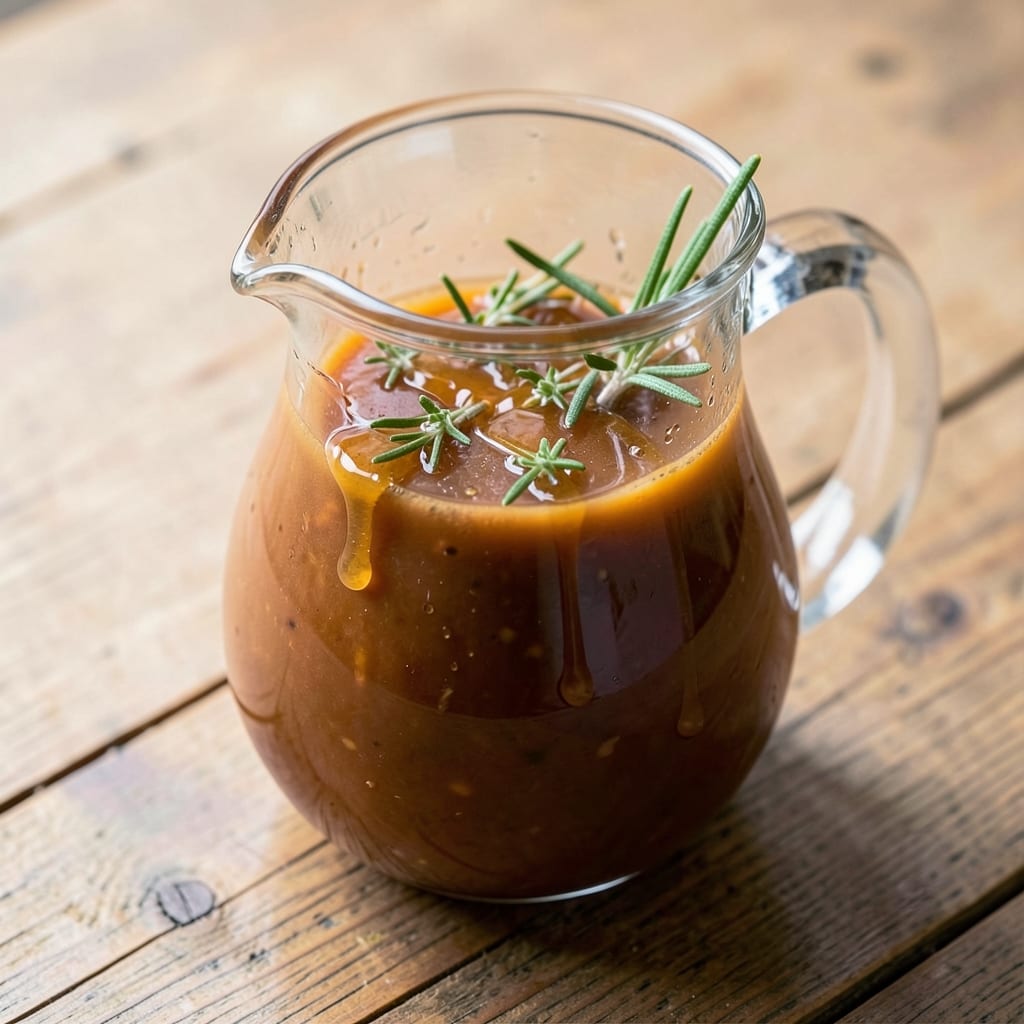
This apple cider lemon juice recipe transforms simple pantry staples into a vibrant, immune-boosting elixir that elevates everything from cocktails to salad dressings. The bright citrus tang of fresh lemon juice cuts through the deep, malty sweetness of apple cider, creating a balanced liquid that's both refreshing and complex. I developed this blend after realizing how often I reached for bottled dressings and syrups—until I realized I could make something better at home in minutes.
The beauty of this recipe lies in its versatility—use it as a tangy salad dressing, a cocktail mixer, or even a marinade for grilled chicken. A touch of honey adds subtle sweetness, while optional herbs like thyme or rosemary introduce aromatic depth. The measurements are designed for flexibility, so you can easily scale up for parties or down for individual servings.
What you'll end up with is a golden-hued, aromatic liquid that's far more flavorful than store-bought alternatives. The apple cider provides natural sweetness and depth, while the lemon juice adds a crisp, invigorating zing that makes every sip feel like a health boost. It keeps beautifully in the refrigerator for up to two weeks, making it perfect for meal prep.
Whether you're drizzling it over greens, mixing it into sparkling water, or using it as a glaze for roasted vegetables, this homemade blend delivers restaurant-quality results with just a few simple ingredients. The best part? You'll never want to go back to bottled versions again.
Ingredients for apple cider lemon juice
Six core ingredients plus optional herbs for a vibrant, immune-boosting elixir that outshines store-bought versions.
| Ingredient | Amount | Notes |
|---|---|---|
| Unfiltered Apple Cider 🍎 | 1 cup | Raw, organic preferred for depth |
| Fresh Lemon Juice 🍋 | ½ cup | Strained, no pulp preferred |
| Raw Honey 🍯 | 2 tbsp | Local preferred for floral notes |
| Fresh Thyme Leaves 🌿 | ¼ cup | Optional aromatic depth |
| Fresh Rosemary Sprigs 🌿 | 2 whole | Optional aromatic depth |
| Filtered Water 💧 | ¼ cup | For thinning if needed |
| Sea Salt 🧂 | ½ tsp | Fine grain preferred |
| Ground Black Pepper 🌶️ | ¼ tsp | Freshly ground preferred |
The apple cider makes or breaks this blend—unfiltered, raw cider has the most depth. Trader Joe's and Whole Foods carry excellent options, but any local orchard cider works too. Look for labels that say 'raw' or 'unpasteurized' for that authentic malty flavor. Fresh lemon juice is a must; bottled won't cut it here. I always grab extra lemons and strain the juice myself—about 3-4 lemons gives you that half-cup yield. The honey should be raw and local if possible—Manuka or clover varieties add subtle floral notes that elevate everything.
No fresh herbs? Dried thyme at one-third the amount works in a pinch, but fresh is ideal. Short on apple cider? Apple juice works but lacks depth—just add a splash of vinegar to mimic the tang. The honey can be swapped for maple syrup or agave, though the flavor shifts slightly. Need to thin it? The filtered water keeps the blend from getting too syrupy. For extra zing, add a pinch of cayenne pepper—trust me, it balances perfectly. The salt and pepper are subtle but essential for rounding out the flavors.
Store in a glass jar with a tight seal in the fridge for up to 2 weeks. The flavors actually improve over time—it mellows into something even more complex. For longer storage, freeze in ice cube trays—perfect for single-serving additions. I keep a batch in the fridge at all times for dressings, marinades, and cocktails. The blend thickens slightly when chilled, so give it a quick stir before using. If it separates, just shake it up—it'll come together beautifully.
Why You'll Love This Recipe
- No-Fuss Ingredients: I keep a bottle of unfiltered apple cider and a lemon in my fridge just for this—no shopping list, no stress. The honey and herbs are my pantry staples, so I’m always ready to mix it up in minutes.
- Tangy-Sweet Magic: That first sip? Pure brightness—sharp lemon cuts through the cider’s richness, while honey softens the edges and rosemary adds an earthy whisper. It’s like autumn in a glass, but better.
- Weeknight & Weekend: Dress it up with sparkling water for a fancy cocktail, or pour it over grilled chicken for a dinner upgrade. Same base, totally different vibes—no extra effort, just different flavors.
- Lasts All Week: Make a big batch—it keeps in the fridge for days. I sip it with breakfast, use it in marinades, or even drizzle it on yogurt. One recipe, endless ways to use it up.
Step-by-step instructions for crafting zesty apple cider lemon juice
Let's blend these simple ingredients into a vibrant, health-boosting elixir that's perfect for sipping or cooking.
Combine the Base Ingredients
In a medium saucepan, pour in the 1 cup unfiltered apple cider and the 0.5 cup fresh lemon juice. I always use a heavy-bottomed pan for even heating—this prevents scorching while we warm the mixture gently. Add the 2 whole fresh rosemary sprigs and 0.25 cup fresh thyme leaves, giving the herbs a light stir to distribute them evenly throughout the liquid.
Place the saucepan over medium-low heat and let it warm through for 3-4 minutes, stirring occasionally. You'll notice the aroma become more pronounced as the herbs release their essential oils—this is when the immune-boosting properties really start to shine. The mixture should reach a gentle simmer but never boil vigorously, which would dissipate the delicate flavors.
Sweeten and Season
Reduce the heat to low and carefully whisk in the 2 tablespoons raw honey until completely dissolved. The honey will create a beautiful golden hue and help balance the acidity of the lemon. Add the 0.5 teaspoon sea salt and 0.25 teaspoon ground black pepper, stirring well to combine. Taste the mixture at this stage—you should notice the bright citrus notes from the lemon juice and the subtle herbal complexity from the rosemary and thyme.
Here's the thing—if you prefer a slightly thinner consistency for drinking, this is when you'd add the 0.25 cup filtered water, one tablespoon at a time, until you reach your desired texture. For cooking applications like marinades or dressings, I find the thicker version works best without diluting the flavors.
Simmer and Infuse
Continue simmering gently for 5-7 minutes, stirring occasionally to prevent any sticking. The mixture should reduce slightly, becoming more concentrated in flavor. You'll see tiny bubbles forming at the edges—this indicates the liquid is infusing properly with the herbs. The aroma will become even more robust, with notes of apple, citrus, and earthy herbs.
I like to press down gently on the rosemary sprigs with a wooden spoon during the last 2 minutes of simmering. This helps extract maximum flavor from the woody stems. Remove the pan from heat immediately after the 7 minutes are up—over-simmering can make the lemon juice turn bitter.
Strain and Serve
Line a fine-mesh strainer with cheesecloth or a coffee filter if you want an especially smooth texture, then carefully strain the warm mixture into a clean glass pitcher or bowl. The cheesecloth will catch any tiny herb particles, leaving you with a beautifully clear elixir. If you prefer a slightly textured drink, you can skip the cheesecloth and just use the strainer.
Let the strained mixture cool to room temperature before transferring to airtight bottles or jars. This infusion keeps beautifully in the refrigerator for up to 2 weeks, making it perfect for batch preparation. For best flavor, serve chilled over ice or use it as a marinade for grilled chicken or seafood—it adds a fantastic zesty kick to any dish.
Pro Tips For Making Apple Cider Lemon Juice
- STRAIN THE CIDER FIRST: Unfiltered apple cider leaves sediment that turns your drink gritty—especially if you're using it for cocktails or dressings. Pour it through a fine-mesh sieve or cheesecloth into a clean jar, then press gently. I learned this the hard way when I served a batch to guests and heard crunching mid-sip.
- WARM THE CIDER GENTLY: Cold cider is sharp; warm it slightly (just until it smells like orchard heat) to coax out the honey and herbs. Heat it in a saucepan over medium-low—no boiling—until it’s steaming but not bubbling. My grandmother swore by this, and she was right: the flavors meld like a hug.
- CHOP HERBS COARSELY: Fresh thyme and rosemary lose their punch when over-chopped. Use kitchen shears to snip sprigs into ½-inch pieces—leave some stems intact. This keeps the drink aromatic without turning it into herbal sludge. (Yes, I’ve made that mistake.)
- BALANCE THE ACID FIRST: Taste the lemon-cider mix before adding honey—acid levels vary wildly. If it’s too tart, add honey gradually (start with 1 tsp per cup of cider) and adjust. I was skeptical until I tried it: the honey’s sweetness becomes a bridge, not a cloying afterthought.
Dietary considerations for this dish
Gluten-Free Adaptation
This recipe is naturally gluten-free since it relies on apple cider, lemon juice, and honey—none of which contain gluten. However, if you're using store-bought apple cider, always double-check the label to ensure it hasn’t been processed in a facility that handles gluten. I’ve tested this blend with Trader Joe’s unfiltered apple cider, which is certified gluten-free, and it works beautifully. The same goes for any honey or herbs you use—stick to certified gluten-free brands if you're highly sensitive. 🌾
Vegan-Friendly Option
To make this blend vegan, simply replace the raw honey with 2 tablespoons maple syrup or agave nectar. Both alternatives provide sweetness while keeping the recipe plant-based. I’ve found that maple syrup adds a subtle caramel note that complements the apple cider beautifully, while agave keeps the flavor closer to honey. The rest of the ingredients—apple cider, lemon juice, and herbs—remain vegan-friendly as-is. 🌱
Low-Sugar Adjustments
If you're watching your sugar intake, you can reduce the honey to 1 tablespoon or omit it entirely. The natural sweetness of the apple cider and the brightness of the lemon juice will still shine through, though the blend will be slightly more tart. For a sugar-free option, consider adding 1-2 drops of stevia extract or a pinch of erythritol to taste. Just remember that these sweeteners can be potent, so start with a small amount and adjust gradually. 🍯
Allergy Considerations
This recipe is free from common allergens like dairy, nuts, and soy, making it safe for most people with dietary restrictions. However, if you're allergic to herbs like thyme or rosemary, simply omit them or substitute with fresh mint or basil for a different but equally refreshing flavor profile. Always ensure your honey is from a facility that doesn’t process tree nuts if you have a severe allergy. For those with citrus allergies, this recipe isn’t suitable, but the base can be adapted with apple cider vinegar instead of lemon juice for a tangy alternative. 🚫
Keto-Friendly Version
For a keto-friendly twist, skip the honey entirely and use 1 tablespoon of sugar-free sweetener like monk fruit or allulose instead. The apple cider and lemon juice provide a naturally low-carb base, and the herbs add depth without adding significant carbs. I’ve made this version with Lakanto monk fruit sweetener, and it holds up perfectly in dressings and marinades. Just be mindful that some sweeteners can crystallize when chilled, so stir well before using. 🥗
Storage for Dietary Needs
Regardless of dietary adjustments, store your apple cider lemon juice blend in an airtight glass container in the refrigerator for up to 2 weeks. For longer storage, freeze in ice cube trays—this works especially well for keto or low-sugar versions where you might want to use it sparingly. Label your containers clearly, especially if you’re sharing with others who have dietary restrictions. The flavors actually deepen over time, so don’t hesitate to batch-make this versatile elixir ahead of time! ❄️
Nutrition facts
Frequently asked questions
Can I use this blend as a salad dressing?
This vibrant apple cider lemon juice makes an excellent salad dressing when thinned with a bit of olive oil. For every 2 tablespoons of the blend, add 3 tablespoons olive oil and a pinch of Dijon mustard for emulsification. Toss with greens, roasted vegetables, or grilled chicken for a bright, tangy dressing that's far more flavorful than store-bought versions.
How can I make this recipe without honey?
For a honey-free version, try 1 tablespoon maple syrup or agave nectar instead. These alternatives maintain the natural sweetness while keeping the blend vegan-friendly. If you're watching sugar intake completely, use 1-2 drops of liquid stevia or 1/4 teaspoon erythritol, but taste first—these can be potent! The apple cider and lemon juice will still shine through with just a touch of sweetness.
What's the best way to store leftovers?
Store in an airtight glass container in the refrigerator for up to 2 weeks. The flavors actually improve over time! For longer storage, freeze in ice cube trays—perfect for single-serving additions to drinks or dishes. When ready to use, thaw overnight in the fridge and give it a good stir, especially if you used honey which can crystallize slightly when chilled.
Can I use this as a cocktail mixer?
This blend makes an incredible cocktail syrup! Mix 1 ounce of the apple cider lemon juice with 4 ounces sparkling water or club soda for a refreshing non-alcoholic drink. For cocktails, add 1-2 ounces to gin or vodka with ice—it pairs perfectly with gin's botanicals or vodka's clean finish. Try it in a Moscow Mule by replacing ginger beer with this blend for a unique twist.
What if my blend separates after refrigeration?
This is completely normal! The honey and apple cider can separate when chilled. Simply give it a vigorous shake or stir with a whisk until smooth. If it's still too thick for your needs, add 1 tablespoon filtered water at a time until you reach your desired consistency. The flavors will come together beautifully once mixed—this actually happens more with homemade versions than store-bought.