
Beverages
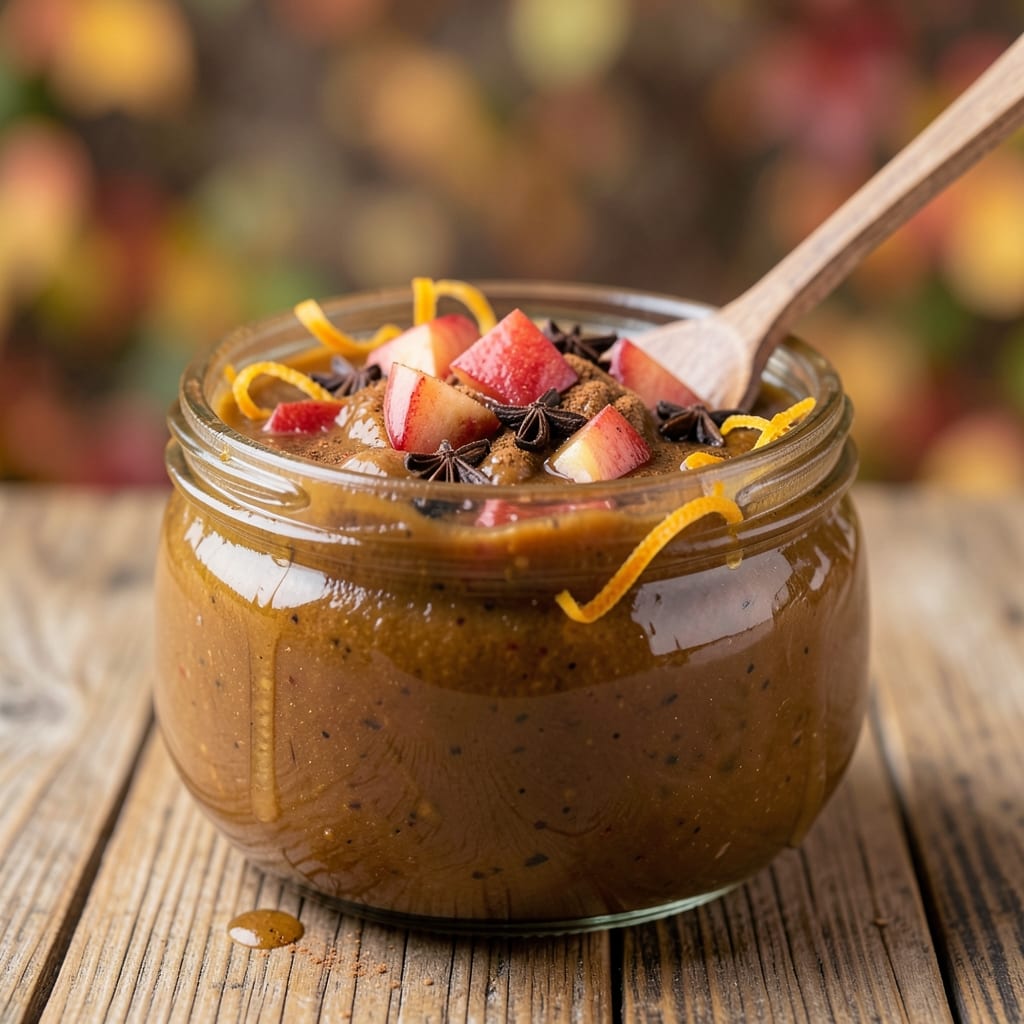
This apple cider fruit spread recipe transforms simple apples into a slow-simmered, spiced condiment with restaurant-quality depth—perfect for elevating toast, cheese boards, or desserts. The secret lies in reducing apple cider with aromatic spices until it thickens into a glossy, velvety spread that balances sweetness and tang. I developed this after years of experimenting with fruit preserves, and the result is a versatile condiment that tastes like autumn in every bite.
The process is straightforward but requires patience: simmering apple cider with cinnamon, cloves, and a touch of sweetener until it reduces to a syrupy consistency, then thickening it naturally for that signature spreadable texture. Unlike traditional jams, this version relies on the slow-cooked depth of cider rather than sugar overload, making it a healthier yet equally indulgent option. The spices infuse beautifully, creating layers of warmth that pair perfectly with sharp cheeses or buttery pastries.
What you’ll end up with is a thick, glossy spread that’s rich enough to stand alone but versatile enough to complement savory and sweet dishes. The aroma alone—warm cinnamon, subtle clove, and caramelized apple—will make your kitchen smell like a cozy orchard. It keeps well in the fridge for weeks, so you can make a big batch and enjoy it throughout the season.
Whether you’re spreading it on morning toast, drizzling it over vanilla ice cream, or using it as a glaze for roasted meats, this fruit spread delivers complex flavor in every spoonful. Ready to elevate your fall menu? Let’s get started.
Ingredients for apple cider fruit spread
Nine simple ingredients transform into a luxurious autumn spread with restaurant-quality depth.
| Ingredient | Amount | Notes |
|---|---|---|
| Apple Cider 🍎 | 4 cups | Unfiltered, preferably organic |
| Granulated Sugar 🍚 | 1 ½ cups | Light brown sugar for depth |
| Ground Cinnamon 🌿 | 1 ½ tbsp | Freshly ground preferred |
| Whole Cloves 🌶️ | 6 whole | Lightly crushed for aroma |
| Orange Zest 🍊 | 1 tbsp | From organic orange |
| Lemon Juice 🍋 | ½ cup | Freshly squeezed |
| Arrowroot Powder 🌾 | 1 tbsp | For natural thickening |
| Vanilla Bean 🌸 | 1 whole | Scraped seeds only |
| Sea Salt 🧂 | ½ tsp | Fine grain preferred |
The apple cider is the heart of this recipe—look for unfiltered, organic varieties at specialty grocers like Whole Foods or local orchards. The difference in flavor is night and day compared to store-bought. For the spices, Penzeys Spices carries premium ground cinnamon that adds a warm, complex note. If you can't find whole cloves, ground cloves work at half the amount, but the aroma from whole spices is unmatched. The orange zest adds brightness, so grab a Navel orange—its sweetness pairs perfectly with the apple. For the vanilla, Madagascar bourbon vanilla gives the deepest flavor, but any quality vanilla bean will work.
No arrowroot powder? Cornstarch at the same amount works fine, though arrowroot gives a clearer finish. Short on lemon juice? Lime juice at half the amount adds a tangy twist. The sugar can be adjusted to taste—reduce by 0.25 cup if you prefer less sweetness. For a deeper spice profile, add a pinch of nutmeg or allspice. The vanilla bean can be swapped for vanilla extract at 0.5 tsp, but the scraped seeds add beautiful flecks to the finished spread. If you're making this ahead, pre-measure all spices for easy cleanup during the simmering process.
This spread thickens as it cools, so refrigerate for at least 2 hours before serving. It keeps beautifully in the fridge for 3-4 weeks in an airtight jar. For gifting, sterilize small jars and store in the pantry for up to 6 months. The aroma alone makes your kitchen smell like autumn—simmer an extra 5 minutes if you want that cozy orchard scent to linger. Portion into small jars for easy serving on cheese boards or toast.
Why You'll Love This Recipe
- Five-Ingredient Magic: I swear, this spread comes together faster than I can finish a podcast episode. Just simmer the cider, stir in the sugar and spices, and let it thicken—no peeling apples or chopping required.
- Spiced Like Autumn: That first bite of warm cider, cinnamon, and orange zest hitting your tongue? It’s like autumn in a jar. The cloves add a tiny, unexpected depth—honestly, I didn’t think I’d like them, but now I double them.
- Holiday Table Hero: Slather it on toast for brunch, dollop it into yogurt for a snack, or serve it with crackers at your next gathering. It’s the kind of spread that makes you look like a hostess with the mostest—without any extra effort.
- Pantry Goldmine: A single batch lasts me weeks, and it’s so cheap to make. I’ve given jars to neighbors, teachers, and even my grumpy uncle at Christmas—no one turns it down, and my wallet stays happy.
Step-by-step instructions for slow-simmered apple cider fruit spread
This method builds rich, velvety texture through patience and precision—no shortcuts.
Combine Liquids and Spices
In a heavy-bottomed saucepan, combine the 4 cups apple cider, 1.5 cups granulated sugar, 1.5 tablespoons ground cinnamon, 6 whole cloves, and 0.5 teaspoon sea salt. Stir over medium-high heat until the sugar fully dissolves—this should take about 5 minutes. You'll notice the mixture bubbling gently and the spices beginning to infuse their aromatic oils into the liquid.
Here's the thing—don't rush this stage. The sugar needs time to completely integrate, creating a smooth foundation for your spread. If you see any sugar grains lingering at the bottom after stirring, keep the pan on heat for another minute. The mixture should look like a clear, golden syrup with no visible sugar crystals.
Simmer Until Reduced by Half
Once the sugar is fully dissolved, increase heat to medium-low and let the mixture simmer uncovered for 30-40 minutes. You're aiming for a reduction that thickens the spread to about half its original volume. This is where the magic happens—the longer you simmer, the more concentrated the apple flavor becomes.
Watch closely as the liquid reduces. You'll see it transform from a thin syrup to a thicker, glossy consistency. Stir occasionally to prevent sticking, but don't over-stir—this can incorporate air and create foam. When the mixture reaches a point where it coats the back of a spoon but still flows freely, it's ready for the next step. This typically happens when you've reduced it by about half—from 4 cups to roughly 2 cups.
Add Acid and Thickener
Remove the pan from heat and let it cool slightly for 2-3 minutes. Then stir in the 0.5 cup lemon juice and 1 tablespoon orange zest. The acidity brightens the apple flavor while the zest adds a citrusy depth. Return the pan to low heat and whisk in the 1 tablespoon arrowroot powder—this will help create that perfect gel-like texture.
Simmer for another 5-7 minutes, stirring constantly, until the mixture thickens noticeably. You're looking for a consistency similar to jam—it should coat the spoon but still be spreadable. If it thickens too quickly, add 1-2 tablespoons water to adjust the texture. The spread should hold its shape when spooned but still be smooth and glossy.
Infuse with Vanilla and Finish
Split the 1 whole vanilla bean lengthwise and scrape out the seeds with the tip of a knife. Add the seeds (and optionally, the empty pod for extra flavor) to the pan. Return to low heat and simmer for 3-5 minutes to allow the vanilla to bloom. The mixture should now have a rich, aromatic depth with layers of spice, citrus, and apple.
Taste and adjust seasoning if needed—you might want to add a pinch more salt or a splash more lemon juice to balance the sweetness. Once satisfied, remove from heat and let the spread cool to room temperature. As it cools, it will thicken further into that perfect fruit spread consistency. The final texture should be smooth, glossy, and thick enough to hold its shape on a spoon but still spreadable.
Pro Tips For Making Apple Cider Fruit Spread
- Simmer Slow and Steady: I learned this the hard way—boiling apple cider fruit spread too fast turns it into syrup. Keep the heat at a gentle simmer (small bubbles, occasional swirls) for 45-60 minutes. You’re not racing; you’re building depth.
- Toast Your Spices First: Whole cloves and cinnamon taste flat if tossed in raw. Dry-toast them in a small pan for 1-2 minutes until fragrant, then grind lightly. This cuts bitterness and amplifies their warmth—trust me, your spread will taste like autumn.
- Strain for Smoothness: Skip the straining, and you’ll end up with a chunky, uneven texture. Use a fine-mesh sieve or cheesecloth to remove cloves and zest after simmering. It takes 5 extra minutes, but the result is silky—no one wants a clove surprise in their toast.
- Balance the Sugar Gradually: Dumping all the sugar at once risks graininess. Split it: add half at the start, then taste and adjust. The spread should coat the back of a spoon without clinging like syrup—this keeps it spreadable, not sticky.
Pro cooking tips for perfect results
Heat Control Secrets
Start with medium-high heat to dissolve sugar quickly, but drop to medium-low for reduction—this prevents scorching while concentrating flavors. I use a heavy-bottomed saucepan (like All-Clad) to distribute heat evenly. If your pan is light, reduce heat slightly to avoid burning. The goal is a gentle simmer, not a rolling boil—this preserves the delicate apple and spice aromas. 🌡️
Spice Infusion Timing
Add whole spices (cloves) early to extract maximum flavor, but remove them before thickening. I strain the mixture through a fine-mesh sieve after simmering to avoid gritty texture. For deeper flavor, lightly toast spices in a dry pan for 30 seconds before adding to the cider. This caramelizes their oils, creating a more complex base. Don’t skip this step—it’s what separates homemade from store-bought.
Thickening Troubles
If your spread isn’t thickening enough, whisk in 1 more tsp arrowroot and simmer 2-3 minutes. For a smoother finish, use arrowroot instead of cornstarch—it’s easier to digest and gives a clearer gel. Over-thickened? Thin with 1 tsp water at a time. Pro tip: Let the spread cool completely before judging thickness—it firms up as it sits. Patience here is key! ⏳
Vanilla Bloom Hack
Scrape vanilla seeds directly into the hot (not boiling) spread to maximize flavor extraction. For extra depth, add the empty pod and let it steep for 5 minutes before removing. I like to split the pod lengthwise and scrape with a small knife—this releases more flavor than just using seeds. If you’re short on time, vanilla extract works, but the flecks of vanilla in the spread make it worth the effort.
Acid Balance Trick
The lemon juice brightens the spread, but too much can make it taste sharp. Start with 0.5 cup and adjust in 1-tbsp increments—taste as you go. For a tangier finish, add 1 tsp orange juice at the end. The zest should be finely grated—no large chunks! Use a microplane for the smoothest texture. This balance is what makes the spread shine on both sweet and savory dishes. 🍋
Nutrition facts
Frequently asked questions
Can I use store-bought apple cider instead of fresh?
Yes, but choose an unfiltered, organic variety for the best flavor. Store-bought cider often has added sugar or preservatives that can alter the taste and texture of your spread. If you must use filtered cider, look for brands like Woodchuck or Angry Orchard that are minimally processed. For deeper flavor, reduce the sugar by 0.25 cup since these ciders may already be sweetened.
How do I adjust the sweetness level?
The recipe balances sweetness with acidity, but you can easily tweak it. For less sweetness, reduce the sugar by 0.25 cup and add an extra 1 tbsp lemon juice to compensate. For a richer taste, increase the sugar by 0.25 cup and add a pinch of nutmeg to enhance the spice profile. Always taste as you go—flavor develops during simmering!
What can I do with leftover apple cider fruit spread?
This versatile spread works beautifully on toast with goat cheese, as a glaze for roasted pork, or drizzled over vanilla ice cream. For a festive touch, spoon it into small jars as gifts with crackers. It also makes an excellent cheese board topping alongside sharp cheddar or brie. Store leftovers in the fridge for up to 4 weeks or freeze for 3 months in airtight containers.
Why did my spread turn out too thin?
Thin spreads usually happen from insufficient reduction or improper thickening. If your spread didn't reduce enough, simmer it uncovered for 10-15 more minutes to evaporate excess liquid. For thickening issues, whisk in 1 more tsp arrowroot and simmer 2-3 minutes. Remember, spreads thicken as they cool—let it sit for 1 hour before judging. If it's still too runny, strain it through a cheesecloth to remove excess liquid.