
Desserts
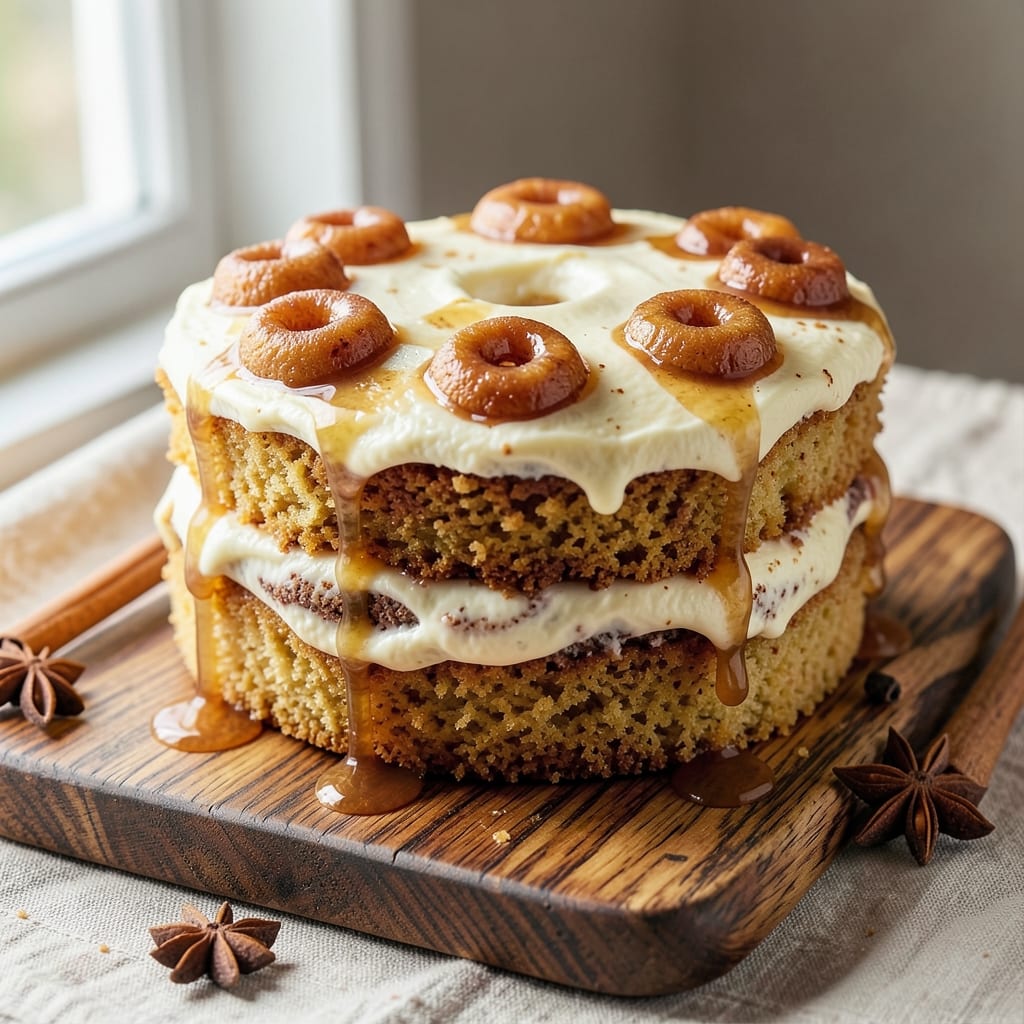
This apple cider donut pound cake recipe transforms a classic dessert into something extraordinary—moist, spiced cake bites with donut-like texture, infused with warm apple cider and caramelized to perfection. The secret lies in replacing milk with cider and adding a cinnamon-soaked syrup that keeps every slice tender and flavorful. I developed this recipe after years of experimenting with hybrid desserts, and it’s now a fall favorite that disappears faster than store-bought donuts.
The cake’s magic comes from a foolproof technique that combines pound cake’s richness with donut-style density. A touch of baking powder ensures a light crumb, while brown sugar and warm spices (cinnamon, nutmeg) deepen the apple cider’s natural sweetness. The batter is thick enough to hold its shape but moist enough to stay tender, even after baking. For extra indulgence, a quick glaze of powdered sugar and caramelized cider syrup ties everything together.
What you’ll end up with is a dessert that’s versatile yet impressive—perfect for brunch, holiday gatherings, or a cozy weekend treat. The aroma of baking cider cake fills the kitchen, and each bite delivers a perfect balance of spice, sweetness, and that unmistakable apple cider warmth. The texture is dense yet crumbly, with just the right chew, making it a standout dessert that feels both nostalgic and modern.
Serve warm with a dollop of whipped cream or a drizzle of extra cider glaze for the full experience. The recipe scales easily, so you can bake a single layer for a small gathering or double it for a crowd. Here’s how to make it—step by step, with tips to ensure every bite is perfect.
Ingredients for apple cider donut pound cake
Twelve ingredients, a donut-pound cake fusion that smells like fall morning—warm, spiced, and impossible to resist.
| Ingredient | Amount | Notes |
|---|---|---|
| All-Purpose Flour 🌾 | 3 cups | Sifted for lightness |
| Unsalted Butter 🧈 | 1 ½ cups | Room temperature, cubed |
| Light Brown Sugar 🍯 | 2 cups | Packed firmly |
| Apple Cider 🍎 | 1 ½ cups | Unfiltered, room temp |
| Large Eggs 🥚 | 4 whole | Room temperature |
| Vanilla Extract 🌸 | 2 tsp | Pure extract preferred |
| Ground Cinnamon 🌿 | 2 tsp | High-quality, toasted |
| Ground Nutmeg 🌿 | ½ tsp | Freshly grated preferred |
| Baking Powder 🧂 | 2 tsp | Double-acting type |
| Salt 🧂 | ½ tsp | Fine sea salt |
| Powdered Sugar 🍚 | 1 cup | For glaze |
| Caramelized Cider Syrup 🍯 | ½ cup | Reduced from 1 cup cider |
| Whipped Cream 🥛 | 2 cups | Stabilized with powdered sugar |
The apple cider is non-negotiable here—it’s the soul of this cake. Grab unfiltered cider from a local orchard or Mott’s for that authentic tang. The brown sugar should be packed firmly (no scooping), and if you’re feeling fancy, Demerara sugar adds a subtle crunch. For the butter, Land O’Lakes or Plugrá work perfectly—just let it sit out for 30 minutes before creaming. The vanilla extract? Nielsen-Massey is my go-to, but any pure extract will do. Pro tip: Toast your cinnamon in a dry pan for 30 seconds to deepen the flavor—it’s worth the extra minute.
No apple cider? Unsweetened apple juice works in a pinch, but you’ll lose that caramelized depth. Substitute the nutmeg with a pinch of allspice if you’re out, though it’s a different vibe. Baking powder is crucial—don’t swap for baking soda. For the glaze, powdered sugar is a must, but if you’re feeling adventurous, cream cheese frosting (mixed with a splash of cider) takes this to next level. Whipped cream can be store-bought, but homemade with a pinch of cinnamon and vanilla is absolutely essential for serving. And hey, if you’re doubling the batch, increase the syrup to 1 cup—trust me on this.
This cake keeps beautifully—3 days at room temperature wrapped in plastic, or up to 5 days in the fridge. For longer storage, freeze the whole cake (unfrosted) for up to 3 months. Thaw overnight in the fridge, then bring to room temp before serving. Whipped cream should be whipped right before serving—it’s the star of this show. And if you’ve got leftovers? Toast slices and drizzle with extra caramelized syrup for a donut-like experience. Portion into single servings before freezing—it’s a game-changer for grab-and-go treats.
Why You'll Love This Recipe
- No Mixer Needed: I swear by this recipe when my mixer’s on vacation—just a bowl and a whisk. The butter gets creamed with sugar until it’s light and fluffy (no electric help required), and the cider folds right in like a dream.
- Taste Like Fall Morning: That first bite? Warm, buttery, with a caramelized edge from the brown sugar and a bright, spiced cider kick. It’s the kind of cake that makes you pour a second cup of coffee just to savor it longer.
- Weeknight Crowd-Pleaser: Serve it at brunch with a drizzle of honey or slice it for a picnic—no one will guess it’s not from a bakery. Honestly, I’ve taken it to potlucks, book clubs, and even my mom’s very critical taste testers.
- Leftovers That Won’t Let You Down: This cake stays moist for days (yes, even after three), so you can bake one batch and enjoy it for breakfast, dessert, or an emergency snack. The cider’s natural sweetness means you won’t need fancy toppings—just a little butter if you’re feeling wild.
Step-by-step instructions for apple cider donut pound cake
Here's how to bake a moist, spiced cake with donut-like texture and caramelized cider drizzle.
Cream Butter and Sugars for Maximum Fluffiness
In a stand mixer fitted with the paddle attachment, beat the 1.5 cups unsalted butter and 2 cups light brown sugar on medium speed for 4-5 minutes until light and fluffy. You're looking for a color change from pale to a golden hue—this means air has been incorporated properly. I press down on the mixture with a spatula halfway through to ensure even blending.
This step is crucial for creating that tender, donut-like crumb. If your butter isn't quite room temperature, let it sit at room temperature for another 10-15 minutes until it's soft enough to press an indent with your finger. The butter should be pliable but not melted—this ensures proper emulsification with the sugars.
Add Eggs and Dry Ingredients for Perfect Texture
Add the 4 whole large eggs, one at a time, mixing well after each addition. Then stir in the 2 teaspoons vanilla extract. The mixture should be thick and ribbony—this indicates proper emulsification. In a separate bowl, whisk together the 3 cups all-purpose flour, 2 teaspoons baking powder, 2 teaspoons ground cinnamon, 0.5 teaspoon ground nutmeg, and 0.5 teaspoon salt.
With the mixer on low speed, gradually add the dry ingredients to the wet mixture. Mix just until combined—you should still see some flour streaks. Overmixing develops gluten and can make the cake dense. I like to use a silicone spatula to gently fold in the last bit of flour to ensure even distribution without overworking the batter.
Incorporate Apple Cider and Caramelized Syrup
Pour in the 1.5 cups apple cider and 0.5 cup caramelized cider syrup, mixing on low speed until just combined. The batter should be thick but pourable. Here's where the real flavor magic happens—the cider adds moisture and depth, while the caramelized syrup creates that signature donut-like sweetness.
Don't worry if the batter looks slightly curdled when you add the cider—this is normal. The heat from the oven will smooth everything out. For best results, let the batter rest at room temperature for 15-20 minutes before baking. This allows the flour to fully hydrate and the flavors to meld, resulting in a more even bake.
Bake Until Golden and Springy
Preheat your oven to 350°F. Grease and flour a 9x5-inch loaf pan or line it with parchment paper for easy removal. Pour the batter into the prepared pan and smooth the top with a spatula. Bake for 50-60 minutes, or until a toothpick inserted in the center comes out clean and the top is golden brown. I usually check at the 45-minute mark—every oven runs slightly differently.
The cake is done when it springs back gently when pressed in the center. If the top browns too quickly, tent the pan with foil after 30 minutes to prevent over-browning. The internal temperature should reach about 205-210°F when done. Let the cake cool in the pan for 15 minutes, then transfer to a wire rack to cool completely before slicing.
Glaze and Serve with Whipped Cream
Once completely cooled, prepare the glaze by whisking together the 1 cup powdered sugar and 2-3 tablespoons of the leftover apple cider (from the original 1.5 cups) until smooth. Drizzle this glaze evenly over the top of the cake, letting it drip down the sides. For extra decadence, pipe 2 cups whipped cream alongside the cake for serving.
Slice the cake into 12 equal pieces and serve immediately. The combination of warm, spiced cake with the caramelized glaze and cool whipped cream creates the perfect balance of textures and flavors. Store any leftovers in an airtight container in the refrigerator for up to 3 days, though I doubt it will last that long!
Pro Tips For Making Apple Cider Donut Pound Cake
- Whisk Butter & Sugar First: I learned this the hard way—skipping the butter-sugar creaming means your cake will be dense, not tender. Beat the butter and brown sugar until it’s light and fluffy (about 3-5 minutes), and don’t rush it. That air incorporation is what makes this pound cake rise properly and stay moist.
- Warm the Apple Cider: Pouring cold cider straight from the fridge into your batter can make the butter seize up. Microwave it for 20-30 seconds or warm it in a saucepan until it’s just lukewarm—this keeps the butter from turning greasy and ensures the flavor melds better.
- Don’t Overmix the Batter: Once you add the flour, stop folding it in when it’s just combined. Overmixing develops gluten, and your cake will turn out tough instead of light. Think "lumpy but smooth," not "smooth like pancake batter."
- Bake Until the Center Holds 200°F: The toothpick test is unreliable here—this cake’s dense enough that it’ll look done before it is. Check the internal temp with an instant-read thermometer; pull it out at 200°F, then tent it with foil for 10 minutes. That guarantees a moist crumb, not a dry one.
Perfect pairings for apple cider donut pound cake
Cider-Inspired Drinks
Pair your apple cider donut pound cake with a warm spiced cider to amplify the flavors. Heat 1 cup apple cider with 1 cinnamon stick, 2 star anise pods, and 1 tsp vanilla extract on the stovetop until steaming. Strain and serve in mugs—this drink mirrors the cake’s warmth perfectly. 🍎 For a non-alcoholic option, try sparkling apple cider (like Martinelli’s) with a splash of ginger beer for effervescence.
Creamy Coffee Pairings
Balance the cake’s sweetness with a cinnamon dolce latte—brew 2 shots espresso, heat 1 cup whole milk with 1 tsp brown sugar and ½ tsp cinnamon, then froth until creamy. The coffee’s bitterness contrasts beautifully with the cake’s richness. For a fall twist, add ½ tsp nutmeg to the milk for a spiced harmony. ☕ A vanilla chai latte also works wonderfully, especially if you’re serving this at a brunch gathering.
Seasonal Cheese Boards
Create a fall-inspired cheese board to complement the cake. Include aged cheddar, brie, and goat cheese—each brings a different texture. Add apple slices, walnuts, and honey drizzle to tie into the cider theme. The cheese’s tang cuts through the cake’s sweetness, while the honey adds another layer of caramelized flavor. 🧀 For a quicker option, serve crackers with whipped cream cheese mixed with a pinch of cinnamon—it’s like a mini dessert in itself.
Boozy Upgrades
For an adult twist, drizzle the cake with bourbon caramel sauce—simmer ½ cup heavy cream, ½ cup brown sugar, and 2 tbsp bourbon until thickened. The smoky depth of bourbon enhances the apple cider notes. 🥃 Alternatively, serve with a spiked cider cocktail: mix 1 cup apple cider, 2 oz apple brandy, and 1 oz lemon juice, then chill. The alcohol warms up the flavors, making each bite even more indulgent.
Donut-Inspired Toppings
Turn the cake into a donut-style dessert by serving it with classic toppings. Warm chocolate sauce or caramel drizzle mimics a donut glaze, while powdered sugar adds that signature dusting. For extra fun, sprinkle crushed peppermint or toasted coconut flakes on top—these add a playful crunch. 🍩 The toppings transform the cake into a hybrid treat that feels both nostalgic and fresh.
Herbal Tea Harmony
Pair the cake with chamomile or apple cinnamon tea to cleanse the palate between bites. The floral notes of chamomile balance the cake’s spice, while apple cinnamon tea bags (like Tazo’s) echo the dessert’s flavors. Brew a strong cup and serve with lemon slices for brightness. 🍵 For a cozy vibe, add a cinnamon stick to the tea for an aromatic touch that ties into the cake’s spiced profile.
Nutrition facts
Frequently asked questions
Can I make this recipe without apple cider?
The cider is essential for the authentic flavor, but you can substitute 1.5 cups unsweetened apple juice in a pinch. For best results, reduce 1 cup juice to a syrup first by simmering until thickened (about 5 minutes). The texture will be slightly less moist, but the spiced notes will still shine.
Why does my cake turn out dense instead of tender?
Overmixing the batter or skipping the 15-20 minute rest before baking are common culprits. Also ensure your butter is room temperature (press an indent with your finger—it should hold shape but not be melted). For extra tenderness, replace ½ cup flour with cornstarch or almond flour.
How can I make this into individual donut bites?
Pipe the batter into donut-shaped molds (or use a cookie scoop) onto a parchment-lined baking sheet. Bake at 350°F for 10-12 minutes until golden. For a glaze, dip warm bites in melted white chocolate> mixed with 1 tbsp cider syrup, then roll in powdered sugar.
What’s the best way to store leftovers?
Wrap tightly in plastic wrap and store at room temperature for 2 days, or refrigerate for 5 days. For longer storage, freeze slices (unfrosted) for 3 months. To reheat, warm at 300°F for 10 minutes—this restores the donut-like texture!
Can I add nuts or dried fruit to the batter?
Fold in ½ cup chopped walnuts or dried cranberries for texture and flavor. For extra moisture, toss them in 1 tbsp flour first to prevent sinking. Avoid overloading—stick to 10% of the batter volume to maintain the cake’s structure.