
Main Courses
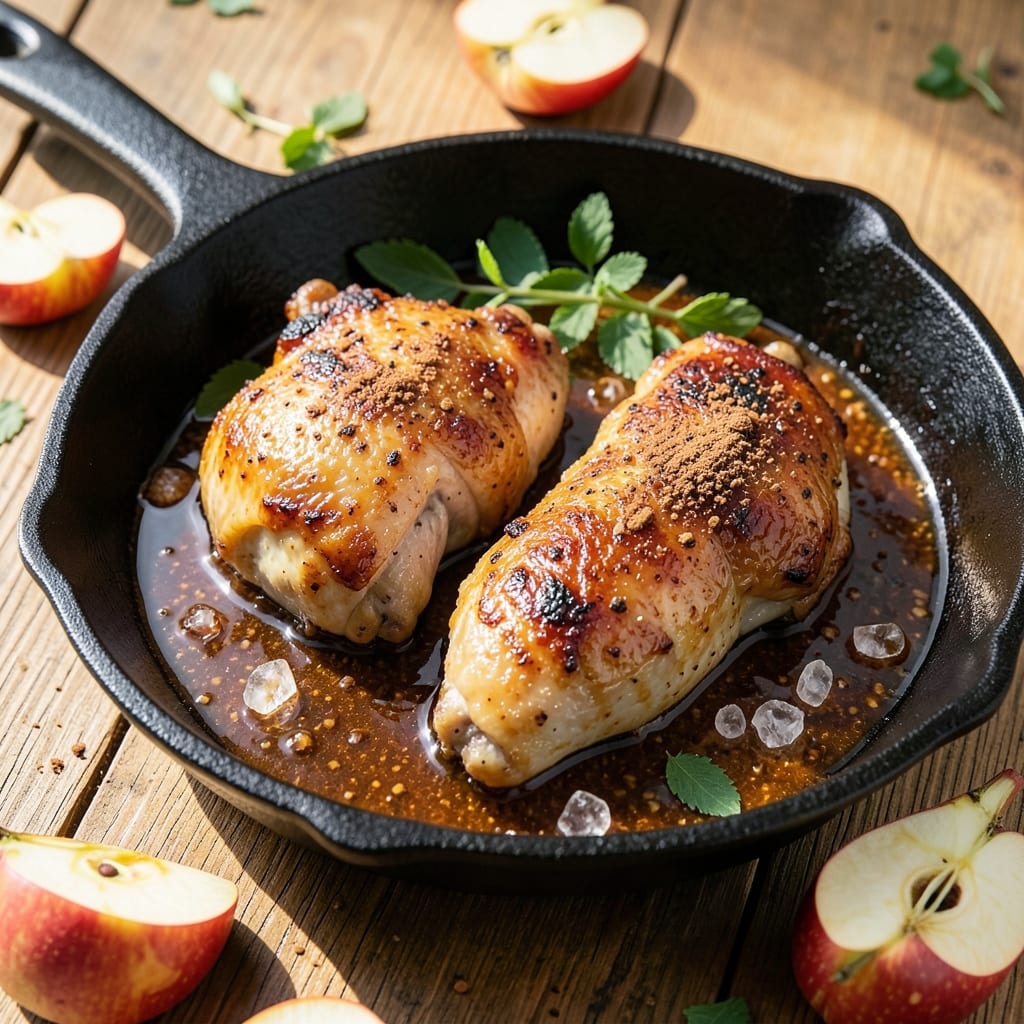
Apple cider chicken thighs transform ordinary weeknight dinners into a cozy, restaurant-worthy meal with just a few simple ingredients and a slow-braising technique. The sweet-tart apple cider caramelizes beautifully, creating a glossy glaze that clings to tender, juicy chicken while balancing warm spices like cinnamon and thyme. I developed this recipe after years of experimenting with braised chicken, and it's become a fall favorite that's impossible to resist.
The secret lies in the balance of flavors—apple cider provides natural sweetness, while brown sugar and mustard add depth, and a splash of vinegar brightens the glaze. Unlike quick-cooking methods, this slow-braised approach ensures the chicken stays moist and flavorful, with a crispy edge that adds texture. The best part? It's a one-pan wonder that requires minimal effort but delivers maximum impact.
By the time you serve these golden-brown chicken thighs, your kitchen will smell like autumn, and every bite will offer a perfect harmony of sweet, savory, and spiced notes. The glaze thickens as it cooks, creating a sticky, caramelized finish that's worth the wait. This recipe is perfect for family dinners, holiday gatherings, or whenever you crave a comforting, flavorful meal.
Pair with roasted root vegetables, crusty bread, or a simple green salad to round out the dish. The leftovers reheat beautifully, making it an ideal meal prep option for busy weeks. Let's get started on creating this crowd-pleasing centerpiece that's sure to become a staple in your recipe collection.
Ingredients for apple cider chicken thigh
Sweet-tart apple cider and warm spices transform simple chicken thighs into an autumnal masterpiece.
| Ingredient | Amount | Notes |
|---|---|---|
| Chicken Thighs 🍗 | 1 ½ lb | Bone-in, skin-on preferred |
| Apple Cider 🍎 | 1 ½ cups | Unfiltered for best flavor |
| Brown Sugar 🍚 | ½ cup | Light or dark preferred |
| Dijon Mustard 🍯 | 2 tbsp | High-quality for tang |
| Apple Cider Vinegar 🍋 | 2 tbsp | For brightness |
| Ground Cinnamon 🌿 | 1 tsp | Freshly ground preferred |
| Dried Thyme 🍃 | 1 tsp | Or 1 tbsp fresh thyme |
| Garlic Cloves 🧄 | 4 cloves | Minced for depth |
| Olive Oil 🫒 | 2 tbsp | Extra-virgin for richness |
| Salt 🧂 | 1 ½ tsp | Kosher or sea salt |
| Black Pepper 🌶️ | ½ tsp | Freshly ground |
| Honey 🍯 | 1 tbsp | For extra caramelization |
The chicken thighs are the star—bone-in, skin-on pieces stay juicy while the skin crisps beautifully. Trader Joe's or Costco often have great deals on family packs, but any grocery store will do. Look for thighs with good marbling—they'll stay moist during the long braise. I always grab extra because I can't resist making seconds. The apple cider should be unfiltered (like Mott's or Woodchuck)—the sediment adds depth to the glaze. If you can't find unfiltered, regular cider works, but you might want to strain it after cooking for a smoother finish.
No apple cider vinegar? White vinegar or lemon juice will work in a pinch, though the flavor won't be quite the same. Running short on Dijon? Whole-grain mustard at double the amount gives a similar texture. The honey can be swapped for more brown sugar if you're avoiding it. For the spices, Penzeys or bulk bins at natural food stores always have the freshest ground cinnamon and thyme. Fresh thyme is ideal, but dried works perfectly fine—just measure it by the teaspoon. The garlic can be pre-minced from a jar if you're in a hurry, but freshly minced makes all the difference.
This dish tastes even better the next day once all the flavors meld together. Store leftovers in an airtight container in the fridge for up to 4 days. Freezes beautifully for 3 months—I always make a double batch so I have leftovers for lunch. The glaze thickens as it cools, so you can thin it with a splash of water or apple cider when reheating. Serve with crusty bread to soak up all that delicious sauce—it's worth every calorie.
Why You'll Love This Recipe
- One-Pan Magic: I swear by this recipe when I’m too tired to wash dishes—just toss the thighs, sauce, and a few herbs on a sheet pan and bake. The apple cider caramelizes into a sticky glaze while the chicken cooks, so you’re left with minimal cleanup and maximum flavor.
- Sweet-Savory Balance: That tangy-sweet combo from the apple cider vinegar and brown sugar? It’s like fall in a bite—crispy skin, juicy meat, and a glaze that’s rich but not cloying. Honestly, the Dijon mustard ties it all together in a way that feels fancy but isn’t.
- Lunchbox Hero: Between us, this is my go-to for meal prep. The thighs stay tender for days, and the glaze reheats beautifully. Pack it in a thermos for work or save it for leftovers—either way, it’s a hit. (Yes, even on a Tuesday night.)
- Budget-Friendly Feast: Chicken thighs are forgiving and cheap, and apple cider is a pantry staple. This recipe stretches easily for a crowd or stretches my grocery budget for the week. Plus, the leftovers taste just as good reheated as they do fresh.
Step-by-step instructions for apple cider chicken thighs
Here's the method that transforms simple chicken thighs into fall-off-the-bone tender bites with a sweet-tangy apple cider glaze.
Sear the Chicken Thighs for Maximum Flavor
Pat the 1.5 lb chicken thighs completely dry with paper towels—this ensures a perfect sear. Place a large oven-safe skillet over medium-high heat and add 2 tbsp olive oil. Once the oil shimmers (about 2 minutes), add the chicken thighs skin-side down. Let them sear undisturbed for 5-6 minutes until the skin turns a deep golden brown and crispy.
Flip the thighs and cook for another 4-5 minutes until the meat reaches 165°F internally. The skin should be golden and crisp, while the meat remains juicy inside. Remove the chicken from the skillet and set it aside on a plate—we'll return it to the pan later. Don't clean the skillet yet; those flavorful browned bits are about to become the base of our sauce.
Build the Apple Cider Sauce from Scratch
In the same skillet (with all those delicious browned bits), reduce the heat to medium. Add 4 cloves minced garlic cloves and cook for 30 seconds until fragrant—don't let it brown or it'll turn bitter. Stir in 2 tbsp Dijon mustard, 2 tbsp apple cider vinegar, 1 tsp ground cinnamon, and 1 tsp dried thyme, letting the spices toast for 1 minute until aromatic.
Pour in 1.5 cups apple cider and scrape up any stuck bits from the bottom of the pan. Add 0.5 cup brown sugar and 1 tbsp honey, then bring the mixture to a gentle simmer. Let it reduce for 5-6 minutes until the liquid thickens slightly and coats the back of a spoon. The sauce should smell rich and complex—like a perfect balance of sweet, tangy, and spiced apple flavors.
Slow-Braise Until Fork-Tender
Return the seared chicken thighs to the skillet, skin-side up, and spoon the apple cider sauce over them. Cover the skillet with a lid or foil and transfer it to a preheated 325°F oven. Braise for 45-50 minutes until the chicken is fork-tender and the sauce has thickened into a glossy glaze.
Here's the thing—don't peek or lift the lid during cooking. Every time you open the pan, you lose heat and moisture, which can make the skin less crispy. Instead, trust the process and check for doneness by inserting a fork into the thickest part of a thigh. If it slides in easily with no resistance, your chicken is ready. The skin should be tender when pressed with a spoon, and the sauce should coat the thighs beautifully.
Finish with a Glossy Glaze and Rest
Remove the chicken from the oven and increase the heat to medium-high. Let the sauce reduce for another 3-4 minutes until it reaches your desired consistency—it should be thick enough to coat the back of a spoon but still pour smoothly. If it's too thick, add 1-2 tablespoons of water to loosen it slightly.
Return the chicken to the skillet just to heat through for 1-2 minutes, spooning the sauce over the top. Let the chicken rest for 5 minutes before serving—this allows the juices to redistribute, ensuring each bite is moist and flavorful. The skin should be tender and slightly caramelized, while the meat inside should be so tender it pulls apart easily.
Serve with Pan Sauce and Crispy Skin
Transfer the chicken thighs to a serving platter and ladle the glossy apple cider sauce over the top. The sauce should cling beautifully to the chicken, creating a sticky, sweet-tangy glaze that complements the tender meat. Serve immediately with your favorite sides—mashed potatoes, roasted vegetables, or crusty bread to soak up every last drop of that delicious sauce.
This dish is all about balance: the crispy skin, the tender meat, and the perfectly sweet-tangy glaze. The apple cider vinegar adds brightness, the brown sugar caramelizes for depth, and the cinnamon and thyme bring warmth. It's the kind of recipe that tastes even better the next day, so don't be surprised if you find yourself reheating leftovers!
Pro Tips For Making Apple Cider Chicken Thigh
- SEAR THE THIGHS FIRST: Don’t skip the initial sear—get your pan screaming hot and cook the thighs skin-side down for 5-6 minutes until deep golden. That’s where the flavor happens, and cutting corners here means missing out on the crispy, caramelized base that soaks up the cider sauce later. (Yes, even if you’re in a hurry.)
- USE FULL-STRENGTH CIDER: Watered-down cider makes watery sauce—stick to the full-strength stuff, even if it’s pricey. The deeper flavor carries through the cooking, and you’ll taste the difference when the sauce reduces. I learned this the hard way after making a batch with "lite" cider that tasted like it was missing something.
- DEGLAZE WITH VINEGAR LAST: Add the apple cider vinegar at the very end, just before serving. It brightens the sauce but can turn bitter if cooked too long—think of it like a finishing salt. A splash (about 1 tablespoon) is enough to cut through the sweetness without overpowering.
- DON’T OVERCROWD THE PAN: If your thighs are stacked like sardines, they’ll steam instead of brown. Cook in batches if needed—crowding turns crispy skin soggy and makes the sauce dilute faster. Trust me, 2-3 minutes of waiting between batches is worth the result.
Common mistakes when making this recipe
Overcooking the Chicken
One of the biggest mistakes is overcooking the chicken thighs, which can turn them dry and rubbery. Since we're braising at 325°F, it's easy to lose track of time—especially when the sauce looks reduced. I've ruined more than a few batches by checking too often or leaving them in too long. Use a meat thermometer to check the internal temperature: remove the chicken when it hits 170-175°F. The thighs should pull apart easily with a fork but still feel tender, not mushy. 🍗
Skipping the Sear
Many cooks rush through the searing step, but this is where all the flavor happens. Skipping it means you'll miss out on that beautiful Maillard reaction that creates deep, caramelized flavors in the skin. I always take the extra 10 minutes to sear each side properly—it makes a world of difference in the final dish. If your pan isn't hot enough, the skin won't crisp, and the chicken will steam instead of brown. Let the oil get properly shimmering before adding the chicken.
Using Low-Quality Apple Cider
The quality of your apple cider makes a huge difference in the final glaze. I've tried this recipe with store-brand cider, and while it works, it lacks the depth and complexity of unfiltered, high-quality cider like Mott's or Woodchuck. The sediment in unfiltered cider adds richness to the sauce. If you must use filtered cider, strain it after cooking to remove any particles that might make the glaze cloudy. The cider should be fresh—avoid anything that's been sitting in your pantry for months.
Not Deglazing Properly
After searing the chicken, those browned bits stuck to your skillet are flavor gold. Many people scrape them out too aggressively or don't deglaze at all, which means losing half the flavor. When adding the apple cider, use a wooden spoon to scrape up every bit of those caramelized bits from the bottom of the pan. This creates a more complex, layered sauce. If you're in a hurry, just splash a little apple cider or water in the pan first to loosen the bits before adding the full amount.
Peeking Too Often
Every time you lift the lid during braising, you lose heat and moisture, which can make the skin less crispy and the sauce reduce faster than intended. I know it's tempting to check on your food, but trust the process. Set a timer for the full 45-50 minutes and resist the urge to peek. If you're worried about doneness, use the fork test instead—insert a fork into the thickest part of a thigh. If it slides in easily, your chicken is ready. The skin should be tender when pressed with a spoon, not still crispy.
Ignoring the Resting Time
Skipping the 5-minute rest before serving might seem like a small thing, but it's crucial for juicy chicken. When you cut into chicken immediately after cooking, all those delicious juices rush out, leaving you with dry meat. Let the chicken rest on a plate or cutting board while you finish reducing the sauce. This allows the juices to redistribute throughout the meat, ensuring each bite is moist and flavorful. It's worth the wait—trust me, your taste buds will thank you. 💫
Nutrition facts
Frequently asked questions
Can I use boneless, skinless chicken thighs instead?
You can, but the texture and flavor will differ. Bone-in, skin-on thighs stay juicier during braising, and the skin adds delicious crispiness. For boneless thighs, reduce cooking time by 10-15 minutes and add 1-2 tbsp extra apple cider to prevent drying. The glaze will still work, but you might want to serve with extra sauce on the side.
How do I adjust this recipe for a slow cooker?
Transfer the seared chicken and sauce to a slow cooker and cook on low for 4-5 hours or high for 2-3 hours. The sauce will be thinner, so reduce it on the stovetop afterward by simmering uncovered for 10-15 minutes. For extra richness, add 1 tbsp cornstarch mixed with 2 tbsp water at the end to thicken the glaze.
What's the best way to reheat leftovers?
Reheat gently in a skillet over low heat with 1-2 tbsp apple cider or water to loosen the glaze. Cover and warm for 3-4 minutes until heated through. Avoid microwaving—it makes the skin rubbery. For extra crispiness, broil for 1-2 minutes after reheating. Leftovers taste even better the next day!
Can I make this recipe with chicken breasts instead?
Chicken breasts are leaner and drier, so they won't work as well. If you must use them, pound them to ½-inch thickness and reduce cooking time to 25-30 minutes. Add 1-2 tbsp extra apple cider to keep them moist. For best results, stick with thighs—they're more forgiving and stay tender during long cooking.
What if my glaze turns out too sweet?
Add 1-2 tbsp apple cider vinegar or lemon juice to brighten the flavor. If the sweetness is overwhelming, balance it with extra spices like ½ tsp ground ginger or ¼ tsp cayenne pepper. The glaze should have a perfect sweet-tart harmony—don't be afraid to adjust while it's still warm.