
Beverages
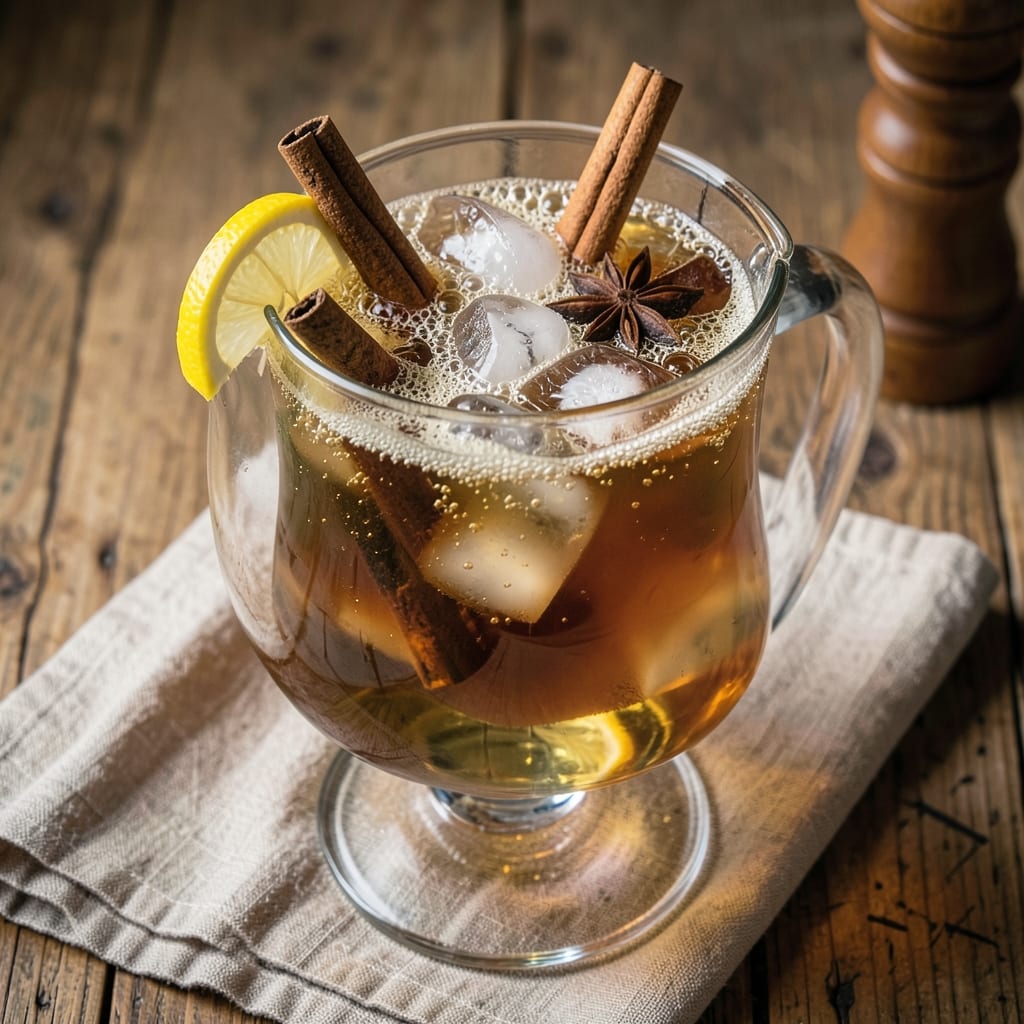
This apple cider champagne recipe transforms a simple autumn staple into an elegant, bubbly celebration—perfect for toasts, gatherings, or cozy evenings by the fire. The secret lies in balancing warm apple cider with crisp champagne, creating a drink that’s both sophisticated and effortlessly festive. No advanced mixology skills required, just a few key ingredients and a chilled glass.
The magic happens when you combine equal parts apple cider and champagne, chilled to the same temperature for a smooth, harmonious sip. A splash of lemon juice brightens the flavors, while a cinnamon stick or star anise garnish adds a spiced autumnal touch. This drink is versatile—serve it as an aperitif, pair it with charcuterie, or enjoy it alongside roasted pork for a complete seasonal menu.
What makes this recipe stand out is its simplicity: no syrups, no complicated ratios, just pure, balanced flavor. The apple cider’s natural sweetness and spice complement the champagne’s effervescence, creating a drink that’s light yet rich. Whether you’re hosting a holiday gathering or simply craving a festive treat, this recipe delivers restaurant-quality results in minutes.
The key to success is proper chilling—both the cider and champagne should be ice-cold before mixing. Pour into flutes or coupe glasses for an elegant presentation, and garnish with a cinnamon stick or apple slice for a touch of seasonal charm. This drink is the perfect bridge between cozy autumn flavors and celebratory bubbles.
Ingredients for apple cider champagne
Six ingredients create this sophisticated autumnal cocktail—simple yet elegant for any celebration.
| Ingredient | Amount | Notes |
|---|---|---|
| Apple Cider 🍎 | 2 cups | Unfiltered, preferably spiced variety |
| Champagne 🍾 | 2 cups | Dry or brut, fully chilled |
| Fresh Lemon Juice 🍋 | 1 tbsp | From organic lemons preferred |
| Cinnamon Sticks 🌿 | 2 whole | For garnish and infusion |
| Star Anise Pods 🌟 | 1 whole | Optional aromatic garnish |
| Ice Cubes ❄️ | 1 cup | For chilling and presentation |
| Granulated Sugar 🍚 | ½ tsp | Adjust to taste if needed |
| Apple Slices 🍏 | 6 pieces | Thin, for garnish |
| Cold Water 💧 | ¼ cup | For dilution if needed |
The quality of your apple cider and champagne makes all the difference. For the cider, Mott's or Woodchuck brands offer the deepest spice profiles—look for unfiltered varieties labeled 'spiced' or 'mulled.' Champagne should be dry or brut; Veuve Clicquot or Dom Pérignon deliver consistent quality, though any well-chilled bottle works. Star anise adds complexity without overpowering, and you can find it in the spice aisle at Whole Foods or Trader Joe's. For presentation, thin apple slices from a Honeycrisp or Fuji apple stay crisp longer than others.
No spiced cider? Substitute with regular apple cider plus 1/4 tsp ground cinnamon and 1/8 tsp cloves. Out of star anise? One cinnamon stick or a dash of vanilla extract works equally well. Need to adjust sweetness? The champagne's acidity balances the cider's sweetness, but if it's too tart, add an extra 1/2 tsp sugar. For a non-alcoholic version, replace champagne with sparkling apple cider (like Martinelli's) and add 1 tbsp extra lemon juice. Always chill both liquids for at least 30 minutes before mixing—the temperature difference ruins the harmony.
This drink stays fresh for 24 hours refrigerated, though the bubbles diminish after 12. For best results, prepare just before serving. Garnishes like cinnamon sticks and apple slices can be added fresh—cinnamon sticks last 3 months in a dry cabinet, while apple slices should be added last minute. For large gatherings, pre-chill the cider and champagne separately in pitchers, then combine at the last moment. Serve in coupe or flute glasses for an elegant touch—chilled glasses prevent condensation from diluting the drink.
Why You'll Love This Recipe
- Five-Ingredient Magic: I swear by this combo—just pour, stir, and let the bubbles do the work. No straining, no peeling, no mess. That star anise? It’s the secret that turns a basic mix into something next-level without extra effort.
- Warm & Bubbly: The cinnamon sticks and star anise steep into the champagne like a spiced tea, while the apple cider adds that cozy autumn depth. Lemon juice cuts through the sweetness just enough to keep it bright—like a hug in a glass.
- Party or Pajamas: Serve it chilled in flutes for a fancy brunch or pour it straight from the pitcher at a game night. Honestly, I’ve handed it to skeptical in-laws and had them ask for the recipe. It’s that universally loved.
- No Waste, All Win: Use leftover champagne for cooking (yes, even in pasta sauce) or reduce the cider into a syrup for pancakes. Between us, I’ve made this twice in one weekend—once for guests, once because I couldn’t resist the leftovers.
Step-by-step instructions for crafting apple cider champagne
This elegant autumn cocktail combines rich spiced cider with crisp champagne for a sophisticated drink.
Infuse the Base with Autumn Flavors
In a large pitcher, combine the 2 cups apple cider with 2 whole cinnamon sticks and 1 whole star anise pod. Stir gently to integrate the spices while keeping them whole for easy removal later. Let this mixture steep at room temperature for 15-20 minutes—this allows the warm spices to develop their aromatic qualities without overpowering the delicate champagne.
While the cider infuses, prepare the champagne by chilling it thoroughly in the refrigerator for at least 30 minutes. Cold champagne is essential for maintaining its crispness and preventing dilution when mixed with room-temperature cider. The infusion process creates a subtle spiced aroma that will complement the champagne's acidity beautifully.
Balance Sweetness and Acid
After the infusion period, remove the cinnamon sticks and star anise pod. Add 1 tbsp fresh lemon juice and 0.5 tsp granulated sugar to the spiced cider. Stir well to dissolve the sugar completely—this creates a harmonious balance between the cider's natural sweetness and the champagne's dryness. The lemon juice adds a bright acidity that cuts through the richness of both ingredients.
Taste the mixture and adjust the sugar to your preference. Some prefer a slightly sweeter drink, while others enjoy the natural tartness of the cider and champagne combination. Remember, you can always add more sugar, but you can't remove it once dissolved. The lemon juice should be fresh to provide maximum zing and prevent bitterness.
Assemble and Chill the Cocktail
Fill a clean pitcher with 1 cup ice cubes and pour in the 2 cups champagne slowly. This gradual addition helps maintain the champagne's bubbles and prevents excessive foaming. Next, carefully pour the spiced cider mixture into the champagne, stirring gently to combine without creating too much agitation that would dissipate the bubbles.
Place the pitcher in the refrigerator for 10-15 minutes to ensure the entire drink reaches a consistently cold temperature. This chilling step is crucial for preserving the champagne's effervescence and enhancing all the flavors. The cold temperature also helps the spices' aromas fully integrate with the drink's profile.
Serve with Elegant Presentation
Just before serving, add 0.25 cup cold water to the pitcher if the mixture appears too thick. This dilution step helps achieve the perfect consistency for pouring. The cold water also refreshes the drink without significantly altering its flavor profile.
Arrange 6 thin apple slices around the rim of each serving glass for garnish. To serve, carefully pour the chilled cocktail into glasses, ensuring the bubbles remain intact. The apple slices not only look beautiful but also provide a subtle apple flavor that complements the drink's main components. Serve immediately to enjoy the perfect balance of spiced cider and crisp champagne.
Pro Tips For Making Apple Cider Champagne
- STRAIN THE CIDER: Apple cider often has sediment—especially if you’re using a cloudy, unfiltered batch. Pour it through a fine-mesh sieve lined with cheesecloth into your mixing pitcher. I learned this the hard way when tiny bits of apple floated into my first batch, making it look like I’d forgotten to clean the glass.
- CHILL THE CHAMPAGNE FIRST: Cold champagne releases its bubbles better and keeps your drink crisp. Pop the bottle in the fridge for at least 30 minutes before mixing—no need to wait for it to be ice-cold, just chilled. I used to skip this, and the result was flat and dull within minutes.
- TOAST THE SPICES: Lightly toast the cinnamon sticks and star anise in a dry pan for 30 seconds until fragrant. This deepens their flavor without burning them. Drop them into the warm cider for 5 minutes before adding champagne, then strain them out—your drink will taste richer, not just spiced.
- ADD LEMON LAST: Fresh lemon juice brightens the drink, but it also dulls the champagne’s bubbles if mixed in too early. Stir it in right before serving, or even let guests squeeze their own. I was skeptical until I tried it—keeps the fizz lively and the acidity sharp.
Flavor customization for apple cider champagne
Spiced Variations
Swap the basic cinnamon and star anise for warm winter spices like ½ tsp ground cloves or ¼ tsp nutmeg—these deepen the autumnal profile. For a Mexican-inspired twist, add ½ tsp orange zest and ¼ tsp cinnamon to the cider infusion. I’ve also tried smoked paprika (⅛ tsp) for a subtle campfire aroma that pairs beautifully with the champagne’s crispness. 🌿
Sweetness Levels
Adjust the sugar to match your taste: skip it entirely for a tart, dry version (ideal for champagne lovers) or double to 1 tsp for a sweeter, dessert-like sip. For a non-alcoholic version, replace champagne with sparkling apple cider and add 1 extra tbsp lemon juice to brighten the flavor. If your cider is extra sweet, balance it with ½ tsp vanilla extract—it mellows the sweetness while adding depth. 🍚
Fruity Infusions
Infuse the cider with peeled orange slices (2 thin rounds) or fresh rosemary sprigs (2-3) for a herbal-citrus twist. For a tropical vibe, muddle 2 thin pineapple rings into the cider before adding champagne. I’ve also experimented with blackberries (mash 4-5) for a berry-champagne fusion—the tartness cuts through the bubbles beautifully. 🍓
Herbal & Floral Touches
Add 2 fresh thyme sprigs or 1 basil leaf to the cider infusion for an earthy herbal note. For a floral elegance, steep 1 dried rose petal (food-grade) in the cider before mixing with champagne. A dash of lavender syrup (½ tsp) creates a Provençal-inspired variation—just ensure it’s culinary-grade lavender. 🌸
Smoky & Spicy Kicks
For a smoky depth, infuse the cider with 1 tsp smoked sea salt (like Maldon) or a lightly charred cinnamon stick (pass over a gas flame for 10 seconds). A spicy kick comes from ½ tsp chili powder or 2 thin slices of jalapeño (muddled). I’ve also tried espresso powder (¼ tsp) for a coffee-champagne twist—it adds a surprising bitterness that balances the sweetness. 🔥
Nutrition facts
Frequently asked questions
Can I use any type of apple cider in this recipe?
For the best results, use unfiltered, spiced apple cider—brands like Mott's or Woodchuck work perfectly. Regular filtered cider lacks the warm spice notes that complement the champagne. If you only have filtered cider, add ¼ tsp ground cinnamon and ⅛ tsp cloves to mimic the spiced profile. The natural sweetness and acidity of the cider should balance the champagne's dryness.
How do I prevent the champagne from losing its bubbles when mixing?
Pour the champagne into the pitcher first, then add ice and the cider mixture slowly while stirring gently with a long spoon. Avoid vigorous shaking or stirring—this preserves the effervescence. For extra insurance, use large ice cubes (they melt slower) and chill the final mixture for 10-15 minutes before serving.
What’s the best glassware for serving this drink?
Use coupe or flute glasses to maintain the bubbles and elevate presentation. For a rustic touch, serve in wine glasses or even mason jars (great for casual gatherings). Always chill the glasses in the freezer for 10 minutes before pouring to prevent condensation from diluting the drink.
Can I make this recipe ahead of time?
Prepare the spiced cider mixture up to 24 hours ahead and store it in the fridge, but do not mix with champagne until serving. The bubbles dissipate quickly, and the flavors meld differently over time. Keep the champagne and cider separate until the last moment—combine them just before pouring to maintain freshness and fizz.
What are the best food pairings for this drink?
Pair with autumnal appetizers like brie and apple crostini, spiced nuts, or charcuterie boards. For mains, it complements roasted pork tenderloin, duck confit, or mushroom risotto. The drink’s spiced sweetness also works beautifully with dark chocolate desserts or apple-based pies—just avoid overly sweet dishes that clash with the champagne’s acidity.