
Desserts
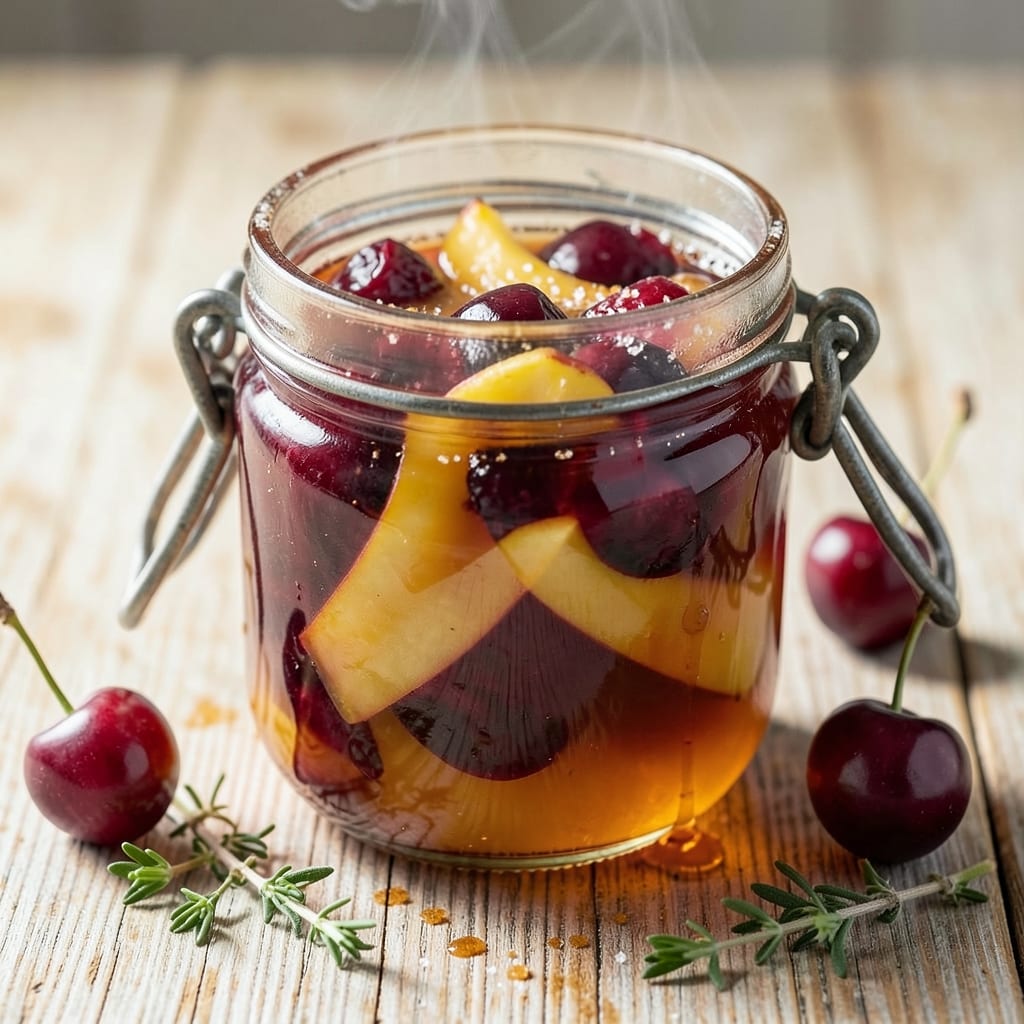
This apple cherry jelly recipe transforms summer's best fruits into a vibrant, fruit-forward spread with a stunning stained-glass effect. The secret lies in balancing tart cherries and sweet apples while using precise pectin ratios to achieve that perfect set—neither too firm nor too runny. I developed this after years of experimenting with fruit preserves, and the result is a jelly that's as beautiful as it is delicious.
The process is simple but requires attention to detail: simmering the fruit mixture to extract maximum flavor, skimming foam regularly, and testing for doneness with the plate method. What makes this jelly special is its depth of flavor—cherries contribute tartness and color, while apples add natural sweetness and body. The stained-glass appearance comes from the fruit's natural pigments, creating a visually stunning spread that's perfect for gifting or serving at holiday tables.
Once set, this jelly maintains its vibrant color and rich flavor for weeks, making it ideal for pairing with cheeses, spreading on toast, or drizzling over yogurt. The balance of sweet and tart flavors elevates simple dishes, turning breakfast into something extraordinary. Whether you're a seasoned jelly maker or trying it for the first time, this recipe delivers professional-quality results with minimal effort.
Storage is effortless—simply pour the hot jelly into sterilized jars while still warm, seal, and let cool completely. The jelly will keep in the refrigerator for up to three months, or you can process it for long-term storage. The possibilities for serving are endless: spread it on warm biscuits, use it as a glaze for ham, or serve it alongside sharp cheeses like brie or gouda for a sophisticated appetizer.
Ingredients for apple cherry jelly
Eight ingredients transform summer fruit into a stunning, fruit-forward jelly with vibrant stained-glass beauty.
| Ingredient | Amount | Notes |
|---|---|---|
| Fresh Tart Cherries 🍒 | 1 ½ lb | Pitted, dark red variety preferred |
| Sweet Tart Apples 🍎 | 1 ½ lb | Granny Smith or Honeycrisp, peeled |
| Granulated Sugar 🍚 | 4 cups | White or raw cane sugar |
| Powdered Pectin 🍯 | 3 tbsp | Ball RealFruit or Sure-Jell recommended |
| Lemon Juice 🍋 | ¼ cup | Freshly squeezed, for acidity |
| Water 💧 | ½ cup | For pectin activation |
| Ascorbic Acid 💊 | ¼ tsp | Optional, preserves color |
| Cinnamon Sticks 🌿 | 2 whole | For subtle aroma infusion |
The cherries and apples are the stars—look for deep red cherries and crisp, firm apples at the market. Trader Joe's and Whole Foods often carry the best quality for jelly-making. Tartness is key: Granny Smith apples add perfect acidity while Honeycrisp brings natural sweetness. If using frozen cherries, thaw and drain well to avoid excess moisture. For the pectin, Ball RealFruit gives the cleanest set, but Sure-Jell works beautifully too. The lemon juice should be freshly squeezed—bottled juice lacks the bright acidity needed for that perfect balance.
No Granny Smith apples? Braeburn or Fuji work in a pinch, though they're slightly sweeter. Frozen cherries? Thaw completely and drain to prevent a runny jelly. Short on time? Pre-pitted cherries from the grocery store save effort—just rinse well. The ascorbic acid is optional but worth it for that vibrant red color that lasts weeks. For a spiced twist, add 1 cinnamon stick during cooking and remove before jarring. The sugar can be swapped for turbinado for a subtle caramel note, though white sugar ensures the cleanest set.
This jelly sets beautifully in sterilized jars—canning jars with two-piece lids work best. Store in the fridge for up to 3 months, or process in a water bath for long-term shelf stability. The stained-glass effect develops as it cools, creating a mesmerizing swirl of fruit and gel. For gifting, tie with a ribbon and include a small wooden spoon. The jelly pairs perfectly with sharp cheeses like brie or crusty sourdough—trust me, it's a game-changer for breakfast toast.
Why You'll Love This Recipe
- Fewer Ingredients, Bigger Flavor: I swear by this combo—just tart cherries, crisp apples, and a splash of lemon juice. No weird spices or overcomplicated steps; the fruit does all the talking, and it’s ridiculously good without extra fuss.
- No Pectin Guesswork: That powdered pectin? Game-changer. One tablespoon, a quick boil, and boom—perfect set every time. No mushy jelly, no waiting weeks for it to thicken. Honestly, I’d skip the recipe if it weren’t for this trick.
- Breakfast to Dessert Hero: Spread it on toast with butter for a sweet-savory morning, drizzle it over yogurt, or serve it chilled with cheese. My kids ask for it after school snacks, and I’ve even used it as a glaze for pork chops—yes, really.
- Zero-Waste Pantry Magic: Use up those bruised apples and overripe cherries instead of tossing them. The sugar and pectin stretch a little, so you’re not breaking the bank either. Plus, jars last months—my freezer’s full of backup batches for holidays.
Step-by-step instructions for fruit-forward apple cherry jelly
Here's how to transform vibrant fruit into a jewel-toned jelly with perfect set and stunning visual appeal.
Prepare the Fruit Base
In a large, heavy-bottomed pot, combine the 1.5 lb fresh tart cherries and 1.5 lb sweet tart apples with the 0.5 cup water. This liquid helps extract maximum flavor and color from the fruit. Add the 2 whole cinnamon sticks and bring to a boil over medium-high heat. Once boiling, reduce heat to medium and simmer uncovered for 20-25 minutes until the fruit breaks down completely and the mixture reduces by about half. You'll see the cherries soften and the apples dissolve into the liquid, creating a rich, concentrated fruit purée.
I like to stir occasionally during this stage to prevent sticking, but don't worry if it thickens unevenly—the blending step will even everything out. The cinnamon sticks will infuse subtle warmth into the jelly without overpowering the natural fruit flavors. When the mixture reaches this reduced state, it should smell intensely fruity with just a hint of spice.
Strain and Blend for Smooth Texture
Remove the pot from heat and let it cool slightly for 5 minutes. Using a fine-mesh strainer or cheesecloth, carefully strain out the fruit solids, pressing gently to extract all the liquid. Discard the solids—they've given up all their goodness. Pour the strained liquid back into the pot and return it to medium heat. Add the 0.25 cup lemon juice and 0.25 tsp ascorbic acid (if using), then stir well. The lemon juice brightens the flavor while the ascorbic acid helps preserve that stunning ruby-red color.
Using an immersion blender, blend the mixture until completely smooth—no visible fruit particles should remain. If you don't have an immersion blender, transfer to a regular blender and blend until silky. The texture should be completely homogeneous, with no chunks that could interfere with the gelling process. This smooth base is what gives professional-quality jelly its elegant appearance.
Add Sugar and Pectin for Perfect Gel
In a separate bowl, whisk together the 4 cups granulated sugar and 3 tbsp powdered pectin until completely dissolved. This prevents clumping and ensures even distribution throughout the jelly. Slowly pour this sugar-pectin mixture into the hot fruit purée while stirring constantly with a wooden spoon. Return the pot to medium-high heat and bring to a full rolling boil that cannot be stirred down.
Once the mixture reaches a vigorous boil that maintains itself (about 3-5 minutes), set your timer for 1 minute. This precise boiling time activates the pectin properly—don't skip it or you'll end up with runny jelly. The mixture should thicken noticeably during this time, and you'll see bubbles form along the edges. When the minute is up, remove from heat immediately to prevent overcooking.
Test and Pot the Jelly
Quickly transfer the jelly to a clean glass jar or bowl using a ladle. Let it sit at room temperature for 5 minutes to begin setting, then test by placing a small amount on a chilled plate. If it wrinkles when you push it with your finger, it's ready. If not, return to medium heat and boil for another 30 seconds, then test again. Repeat this process until you achieve that perfect gel consistency—it should hold its shape but still be slightly jiggly.
Once properly set, cover the jar with a lid and let it cool completely at room temperature. The jelly will continue to firm up as it cools, developing that beautiful stained-glass effect with deep red and translucent layers. For best results, refrigerate for at least 4 hours before serving—this allows all the flavors to meld perfectly. The final product should have a vibrant color, intense fruit flavor with subtle cinnamon notes, and that signature wobble that defines great jelly.
Pro Tips For Making Apple Cherry Jelly
- STRAIN TWICE: After cooking the fruit mixture, strain it through a fine-mesh sieve once, then press the pulp with a wooden spoon to extract every last drop of juice. Pour into a clean bowl and strain again—this second pass removes stubborn bits that make jelly look cloudy. (Yes, it’s tedious, but the difference in clarity is night and day.)
- WEIGH THE FRUIT: Dumping cherries and apples by volume leads to guesswork. Weigh them instead—aim for 12 ounces total (pitted cherries + peeled/appled chunks). Pectin ratios are based on weight, not eyeballing, and this ensures your jelly sets properly without turning to syrup or staying liquid.
- BOIL FAST AND FEROCIOUS: Once you add sugar and pectin, crank the heat to high and bring the mixture to a full rolling boil within 5 minutes—not a simmer, not a slow climb. Skipping this step means under-gelling, and no amount of extra pectin later will fix it. (I learned this after making a batch that stayed runny enough to drip off the spoon.)
- USE FROZEN CHERRIES: Pitting fresh cherries is a mess, but frozen pitted cherries (thawed and drained) save 20 minutes and eliminate pits entirely. No need to peel apples either—just core and chop. The texture’s slightly softer, but the flavor’s identical, and your hands stay clean. (Your future self will curse you if you skip this on a Tuesday night.)
Best sauces and condiments for this dish
Cheese Pairings
This vibrant jelly shines with sharp cheeses that cut through its sweet-tart balance. I love pairing it with aged brie—the creamy, nutty flavors complement the jelly's fruit-forward brightness beautifully. For something lighter, try goat cheese with its tangy notes, or go bold with blue cheese like Gorgonzola for a sophisticated contrast. 🧀
For a simple yet elegant spread, layer the jelly with crackers or sourdough slices—the crusty texture provides perfect contrast. I also enjoy it with provolone or havarti during holiday cheese boards, where the jelly adds a refreshing burst of fruit.
Bread and Toast
Warm toasted sourdough or brioche becomes extraordinary with this jelly. The buttery richness of brioche pairs perfectly with the jelly's tart-sweet notes, while sourdough's tang enhances the fruit flavors. I like to spread it on French baguette slices and toast lightly for a quick breakfast or snack. 🥖
For a gourmet touch, try it on challah during weekend brunches or with cinnamon swirl bread for a cozy fall treat. The cinnamon in the jelly already adds warmth, so avoid overpowering with heavily spiced breads.
Yogurt and Cream
Drizzle this jelly over Greek yogurt for a breakfast that feels both indulgent and healthy. The protein-rich yogurt balances the jelly's sweetness, while the fruit adds vibrant color. I also love it with whipped cream for a dessert-like treat—perfect for special occasions. 🥛
For a savory-sweet twist, mix a spoonful into thick cream cheese and spread on bagels or croissants. The jelly's natural acidity cuts through the creaminess, creating a delightful contrast.
Meat Glazes
Use this jelly as a ham glaze by simmering it with a splash of apple cider vinegar until slightly reduced. The tartness enhances the ham's saltiness, creating a restaurant-quality finish. I also brush it on roasted pork chops during the last few minutes of cooking. 🐷
For a holiday centerpiece, glaze spiral-cut ham with warmed jelly mixed with a touch of Dijon mustard. The combination of sweet, tart, and savory creates an unforgettable flavor profile that elevates any main dish.
Nutrition facts
Frequently asked questions
Why does my apple cherry jelly turn out runny?
The most common cause is undercooking the pectin. Always bring the mixture to a full rolling boil for the full 1 minute after adding sugar and pectin. If it's still too soft after cooling, reheat and boil for another 30 seconds, then test again. Using too much fruit (over 2.5 lbs) can also prevent proper setting, so stick to the recipe's measurements.
Can I substitute frozen cherries in this recipe?
Yes, but you must thaw them completely first and drain off any excess liquid. Frozen cherries release more moisture than fresh, which can make your jelly too thin. For every 1.5 lb of fresh cherries, use 1.5 lb of thawed, drained frozen cherries. Also consider reducing the cooking time by 5 minutes since frozen fruit breaks down faster.
How do I fix cloudy jelly?
Cloudiness usually means the pectin didn't activate properly or you used too much fruit. For a quick fix, reheat the jelly to 160°F (just below boiling), then stir in 1 tbsp additional powdered pectin per cup of jelly. Simmer for 3-5 minutes, then test for proper set. Adding 1 tsp lemon juice can also help clarify the color.
What's the best way to store homemade jelly?
For short-term storage, keep sealed jars in the refrigerator where it'll stay fresh for up to 3 months. For long-term preservation, process jars in a water bath for 10 minutes after sealing. Once cooled, store in a cool, dark place where it'll last 1 year. Always check seals are intact before storing—any compromised jars should be refrigerated immediately.
Can I make this jelly without pectin?
While possible, the results won't be as reliable. Without pectin, you'll need to use the aspirin method (1 crushed aspirin per cup of juice) or the long cook method (simmering for 2-3 hours to reduce liquid). The texture will be more jam-like rather than the elegant gel consistency this recipe achieves. For best results, stick with powdered pectin.