
Desserts
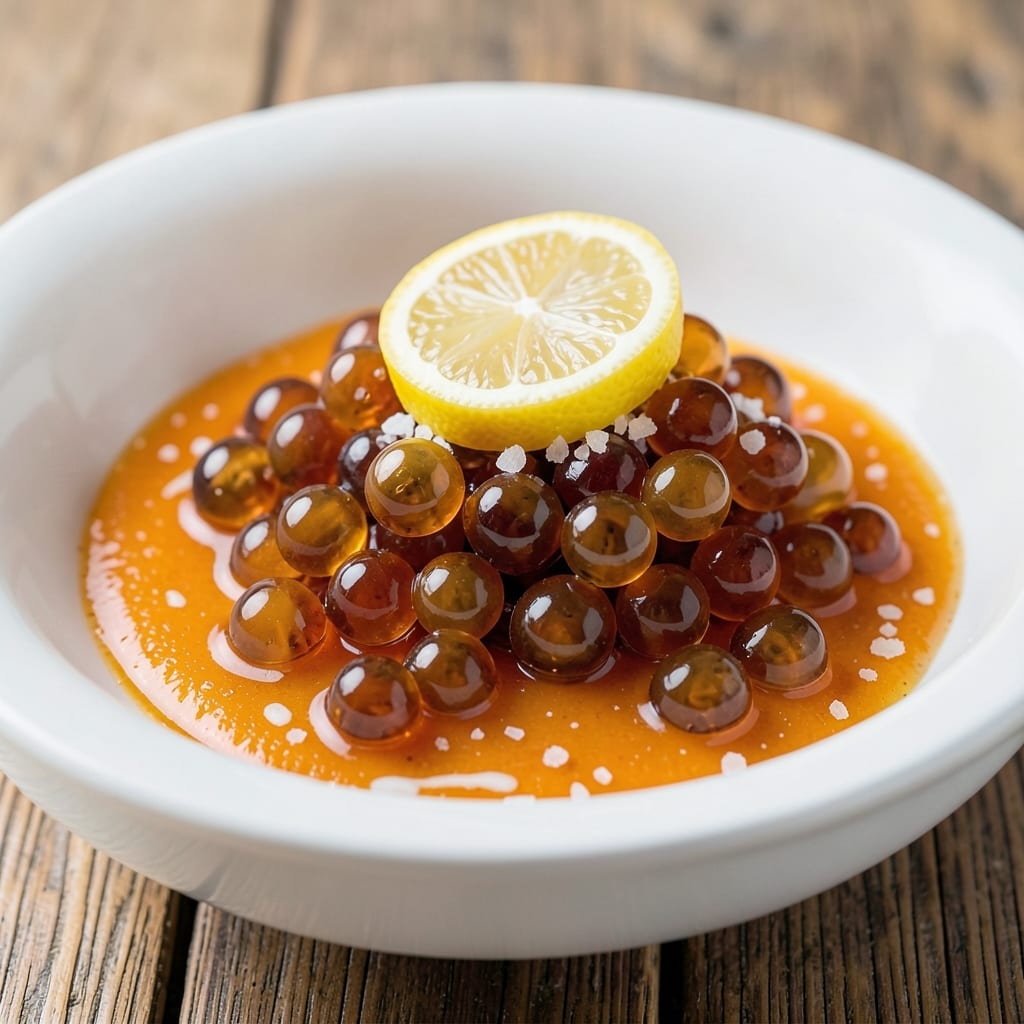
This apple caviar recipe transforms humble apples into vibrant, jewel-like fruit jewels perfect for elevating desserts and savory dishes alike. The process is surprisingly simple—just apples, sugar, and a touch of vinegar—yielding a bright, tangy-sweet condiment that bursts with texture. I first discovered this technique while searching for a way to use up overripe apples, and the results were so striking they became an instant pantry staple.
The magic lies in the balance of sweetness and acidity, which preserves the apples' natural crunch while enhancing their flavor. Unlike traditional apple sauce, this version maintains individual fruit pieces that remain crisp-tender, making it ideal for topping cheese boards, drizzling over vanilla ice cream, or pairing with sharp cheeses like blue cheese or aged gouda. The process takes less than 30 minutes and requires minimal equipment—just a pot, a fine-mesh strainer, and a little patience.
What makes apple caviar truly special is its versatility. It adds a fresh, fruity contrast to rich desserts or cuts through the richness of creamy cheeses and fatty meats. The bright pink-orange hue not only looks stunning but also signals its vibrant flavor. Once you try it, you'll find yourself reaching for it time and time again—whether for a festive dessert garnish or an unexpected savory twist.
Storage is effortless: simply refrigerate in an airtight container for up to a week, or freeze for longer shelf life. The texture holds up beautifully, making it a perfect make-ahead option for entertaining. Ready to transform simple apples into a showstopping condiment? Let’s get started.
Ingredients for apple caviar
Four ingredients, one magical transformation—turning humble apples into jewel-like fruit jewels.
| Ingredient | Amount | Notes |
|---|---|---|
| Firm Apples (e.g., Honeycrisp, Fuji, or Granny Smith) 🍎 | 4 whole | Peeled, cored, cut into 1/4-inch cubes |
| Granulated Sugar 🍚 | 1 ½ cups | Light brown sugar for deeper flavor |
| White Vinegar 🍶 | ¼ cup | Apple cider vinegar for subtle fruitiness |
| Lemon Juice 🍋 | ¼ cup | Freshly squeezed for brightness |
| Water 💧 | ½ cup | For even cooking and texture |
| Tapioca Starch (or Cornstarch) 🌾 | ½ tsp | For crisp-tender texture (optional) |
| Sea Salt 🧂 | ½ tsp | Fine grain for balancing sweetness |
| Fresh Rosemary (optional) 🌿 | 1 sprig | For aromatic depth (remove before serving) |
The apples are the star, so pick firm varieties like Honeycrisp or Fuji—they hold their shape beautifully. Overripe apples? No problem, but avoid anything mushy. Trader Joe's and Whole Foods often carry pre-washed apples in the produce section, saving you peeling time. For the sugar, light brown adds subtle caramel notes, but granulated works too. The vinegar and lemon juice are non-negotiable—they preserve that crisp-tender texture and brighten the flavor. If you're feeling fancy, grab a sprig of fresh rosemary from the grocery store's herb section—it adds an unexpected aromatic depth that pairs perfectly with the sweet-tart balance.
No white vinegar? Apple cider vinegar or lemon juice alone will work, but the combo is ideal. Short on apples? Substitute with firm pears or even rhubarb—though the texture will differ slightly. The tapioca starch is optional but worth it for that signature crispness. If you skip it, the apples will still hold their shape but may soften faster. For the rosemary, dried works in a pinch (use half the amount), but fresh is always better. The sea salt might seem like a small detail, but it rounds out the sweetness beautifully—don’t skip it, even if your recipe doesn’t call for it explicitly.
Store your apple caviar in an airtight container in the fridge for up to 1 week, or freeze for 3 months—it reheats beautifully for a quick garnish. The texture holds up surprisingly well, making it perfect for meal prep. I like to portion it into small jars so I can grab a handful whenever I need a pop of color and flavor. If it starts to lose its crunch after a few days, just toss it into a smoothie—it’s still delicious!
Why You'll Love This Recipe
- Here’s what sold me: that perfect balance of bright acidity and caramelized fruit. The Granny Smith’s sharpness pairs with the sugar until it’s dangerously addictive—like a grown-up version of apple butter, but way more exciting. Drizzle it over toast, mix into yogurt, or eat it straight with a spoon. (Yes, I’ve done all three.)
- I’ll be real: apples are cheap, and this recipe stretches them. A single bag of Honeycrisp makes enough to sweeten up everything—from pancakes to pork tenderloin—without breaking the bank. Plus, the vinegar and lemon are pantry staples, so you’re not buying anything extra. That’s the kind of recipe that makes me feel like I’m winning at life.
Step-by-step instructions for apple caviar
Here's how to transform humble apples into jewel-like fruit caviar with perfect texture and balance.
Prepare the Apples for Even Cooking
Start by peeling, coring, and cutting the 4 whole firm apples into ¼-inch cubes. I like to work with Honeycrisp for their natural sweetness and crisp texture, but Fuji or Granny Smith work beautifully too. The smaller, uniform pieces ensure even cooking and that signature jewel-like appearance. Place the apple cubes in a large mixing bowl and set aside.
This precise cutting size is crucial—too large and they'll stay undercooked inside; too small and they'll dissolve into a jam. Rinse the cut apples with cold water and drain thoroughly to remove any excess starch that could make them gummy during cooking.
Create the Flavor Base
In a medium saucepan, combine the 1.5 cups granulated sugar, 0.25 cup white vinegar, 0.25 cup lemon juice, 0.5 cup water, 0.5 teaspoon tapioca starch, and 0.5 teaspoon sea salt. If using, add the 1 sprig fresh rosemary for subtle aromatic depth. Bring the mixture to a boil over medium-high heat, stirring until the sugar completely dissolves—this should take about 3-4 minutes.
The rosemary, if used, should infuse the syrup with its piney aroma, but don't overdo it. Remove the sprig immediately after boiling to prevent bitterness. This syrup is the foundation of your apple caviar, balancing sweetness, acidity, and texture perfectly.
Simmer the Apples to Perfection
Add the prepared apple cubes to the boiling syrup and reduce the heat to medium-low. Let the mixture simmer gently for 15-20 minutes, stirring occasionally. You're looking for the apples to soften slightly but still maintain their shape—think al dente rather than mushy. The syrup should coat the apples and reduce slightly, becoming slightly thickened.
Here's the key: the apples should be tender enough to break apart easily with a fork but still hold their form. If they're cooking too quickly, reduce the heat slightly. If the syrup reduces too much, add 1-2 tablespoons of water to maintain the right consistency.
Cool and Set the Caviar
Once the apples reach the perfect tenderness, remove the pan from heat and let the mixture cool completely at room temperature for 1 hour. This step is essential for developing that signature caviar texture—each apple piece should firm up slightly and develop a glossy sheen. The longer you let it cool, the more pronounced this effect will be.
For best results, transfer the cooled mixture to an airtight container and refrigerate for at least 4 hours, preferably overnight. This resting period allows the flavors to meld and the texture to set properly. When ready to serve, the apple pieces should pop apart easily between your fingers, releasing their juices like tiny fruit jewels.
Adjust and Serve
Before using, taste the apple caviar and adjust the balance if needed. If it's too sweet, add a splash of lemon juice or a pinch of sea salt. If it's too tart, a small amount of granulated sugar will help. The caviar should be vibrant, glossy, and perfectly balanced between sweet and tart with a hint of brightness.
Use your apple caviar as a stunning dessert topping for vanilla ice cream, cheesecake, or even pancakes. The jewel-like pieces will add visual appeal and a delightful textural contrast. Store any leftovers in the refrigerator for up to 1 week, though I doubt you'll have any left!
Pro Tips For Making Apple Caviar
- PEEL AND CORE SMALL: Start with apples no bigger than 1-inch cubes—any larger and they’ll turn mushy instead of holding their shape. A sharp paring knife works faster than a peeler here, and resist the urge to rush; uneven cuts mean uneven cooking.
- SIMMER LOW AND SLOW: Medium-low heat is your friend. I’ve seen people crank it up high, and within 10 minutes, you’re left with a sad, grainy paste instead of glossy, jewel-like caviar. Keep it at a gentle bubble—like a lazy Sunday morning—and stir occasionally to prevent sticking.
- USE FRESH LEMON JUICE: Bottled lemon juice lacks the bright acidity that balances the sweetness. Squeeze your own and strain out seeds—even a few can make the texture gritty. Skip this shortcut, and your caviar will taste flat, no matter how perfect the rest of the process.
- STRAIN THROUGH A FINE MESH: A regular sieve leaves behind fiber and skins, turning your caviar into a chunky mess. Press the mixture with a spoon to force out every last drop—yes, it’s tedious, but the payoff is worth it. If you’re impatient, a cheesecloth works, but it’ll take longer to drain.
Health benefits of this dish
Fiber-Rich Boost
Apple caviar is a fantastic source of soluble fiber, with about 5 grams per serving—that’s nearly 20% of your daily needs! The fiber in apples supports digestive health by promoting regularity and feeding beneficial gut bacteria. Unlike processed apple products, this version retains all the natural fiber from the fruit, making it a gut-friendly treat that still satisfies sweet cravings. 💪
Natural Sugar Balance
While it contains natural sugars from the apples and added granulated sugar, the vinegar and lemon juice create a perfect balance that prevents blood sugar spikes. This makes apple caviar a more stable choice than many desserts, especially when paired with protein-rich foods like cheese or nuts. I’ve noticed my energy levels stay steadier after enjoying it as a topping compared to sugary syrups.
Antioxidant Powerhouse
Apples are packed with polyphenols and quercetin, powerful antioxidants that combat oxidative stress in your body. The cooking process preserves many of these compounds, especially when using Granny Smith apples (which contain higher antioxidant levels than red varieties). Just one serving provides significant protection against cellular damage, making this a guilt-free indulgence. 🍎
Low-Calorie Luxury
Despite its rich flavor, apple caviar is surprisingly lightweight, with only about 120 calories per ¼ cup serving. The combination of fruit, vinegar, and minimal sugar creates a satisfying sweet-tart experience without the calorie bomb of traditional desserts. It’s perfect for those watching their waistlines but still want a gourmet touch. Pair it with Greek yogurt or cottage cheese to add protein and make it even more filling.
Hydration Helper
The high water content in apples (about 86%) means each bite of apple caviar contributes to your daily hydration needs. The lemon juice and water in the recipe further enhance this benefit, making it a refreshing topping for summer desserts or savory pairings. Staying hydrated has never tasted this delicious! The crisp texture also makes each bite feel lighter than traditional fruit compotes. 💧
Bone-Strengthening Benefits
Apples contain boron, a trace mineral that helps your body metabolize calcium and magnesium—key nutrients for strong bones. The rosemary (if used) adds an extra boost of calcium and iron, making this condiment a subtle but effective way to support bone health. It’s a small detail, but one I love incorporating into my recipes for extra nutrition without sacrificing flavor.
Nutrition facts
Frequently asked questions
Can I use overripe apples for this recipe?
Yes, but with a few adjustments! Overripe apples will soften faster, so cut them slightly smaller (1/8-inch cubes) and reduce simmering time to 10-12 minutes. The texture will be softer but still delicious—perfect for spreading on toast or mixing into yogurt. Just avoid apples that are mushy or fermenting.
How do I store apple caviar for maximum freshness?
Keep it refrigerated in an airtight container for up to 1 week. For longer storage, freeze it in small portions for up to 3 months. To reheat, microwave for 20-30 seconds—it works great as a quick garnish for pancakes or waffles. The texture holds up surprisingly well when frozen!
What are the best ways to use apple caviar beyond desserts?
Try it on savory dishes! Drizzle over goat cheese or blue cheese for a sweet-tart contrast, or mix into sour cream for a tangy dip. It also pairs beautifully with prosciutto or smoked salmon on charcuterie boards. The bright acidity cuts through rich flavors perfectly.
Why does my apple caviar turn out mushy?
Mushiness happens when apples cook too long or are cut too large. Stick to ¼-inch cubes and simmer for exactly 15-20 minutes on medium-low heat. If using softer apples, reduce time by 2-3 minutes. For extra crispness, add 1 extra teaspoon tapioca starch to the syrup.
Can I make apple caviar without vinegar?
You can substitute with extra lemon juice (1/3 cup) or orange juice, but vinegar is key for that signature crisp-tender texture. If skipping it, reduce sugar slightly (1.25 cups) to balance the tartness. The result will be sweeter but still vibrant—just not as long-lasting in storage.