
Sauces & Condiments
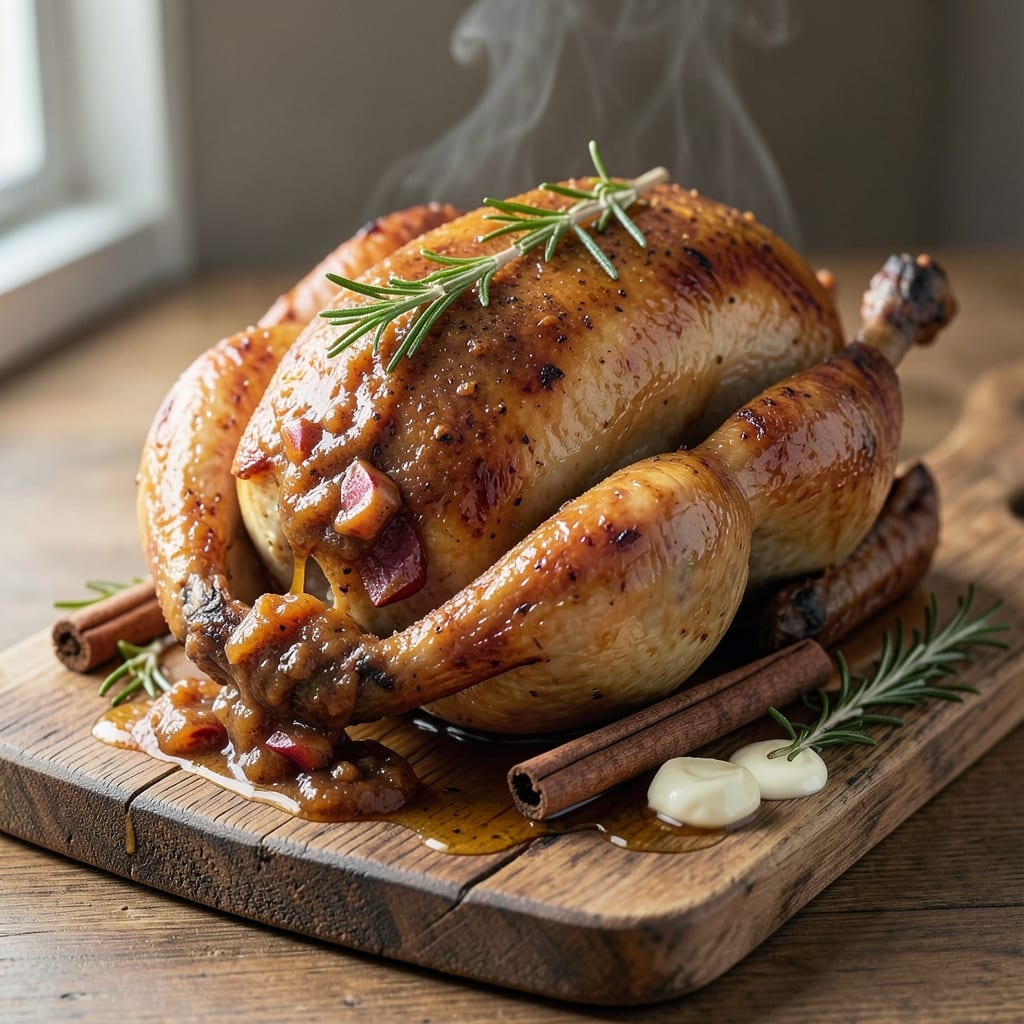
This apple butter glazed turkey recipe transforms Thanksgiving dinner into a showstopper with its slow-roasted juiciness and caramelized sweetness. The secret lies in the apple butter glaze—where tender turkey meets sticky, spiced apple perfection. I developed this method after years of perfecting holiday roasts, ensuring crispy skin and moist meat every time.
The glaze isn't just a topping; it's the star. A blend of homemade or store-bought apple butter, honey, and warm spices creates a rich, aromatic crust that caramelizes beautifully during roasting. This technique keeps the turkey juicy inside while forming a crispy, flavorful bark outside—no dry bird here. The slow roast method guarantees tender meat, even for larger birds.
What makes this recipe truly special is how it elevates the entire meal. The apple butter glaze pairs beautifully with classic sides like mashed potatoes, cranberry sauce, and roasted vegetables, creating a cohesive, flavorful spread. The aroma alone will have guests gathering before the turkey even hits the table.
Perfect for holidays or special dinners, this method delivers restaurant-quality results with minimal effort. The glaze can be prepped ahead, and the turkey roasts hands-off, making it ideal for busy hosts. Let's get to the recipe—your table is about to become the talk of the season.
Ingredients for apple butter turkey
The perfect balance of sweet and savory ingredients for a restaurant-quality holiday centerpiece.
| Ingredient | Amount | Notes |
|---|---|---|
| Fresh Whole Turkey 🦃 | 12 lb | 12-14 lb bird, thawed if frozen |
| Apple Butter 🍎 | 1 ½ cups | High-quality, unsweetened preferred |
| Honey 🍯 | ½ cup | Raw or clover variety for depth |
| Unsalted Butter 🧈 | ½ cup | Cold, cubed for glaze consistency |
| Cinnamon Sticks 🌿 | 4 whole | For aroma infusion during roasting |
| Fresh Rosemary 🌿 | ¼ cup | Chopped, stems removed |
| Fresh Thyme 🌿 | ¼ cup | Chopped, stems removed |
| Garlic Cloves 🧄 | 8 cloves | Smashed for flavor infusion |
| Diamond Crystal Kosher Salt 🧂 | 2 tbsp | For seasoning and glaze |
| Freshly Ground Black Pepper 🌶️ | 1 tsp | For turkey seasoning |
| Extra-Virgin Olive Oil 🫒 | ¼ cup | For basting and crisping skin |
| Orange Zest 🍊 | 1 tbsp | Brightens glaze flavor |
| Fresh Sage Leaves 🌿 | ¼ cup | Chopped for herbaceous notes |
| Brown Sugar 🍚 | ¼ cup | Enhances caramelization |
| Apple Cider Vinegar 🍏 | 1 tbsp | Balances sweetness in glaze |
The turkey is the foundation, and size matters. A 12-14 lb bird ensures perfect doneness without drying out, while larger birds require extended roasting. For optimal results, source from a reputable butcher like D'Artagnan or your local specialty grocer. Look for birds with good marbling and vibrant color—avoid any with grayish skin or strong odors. The apple butter should be unsweetened for better flavor control; brands like Maille or Smucker's work well, but homemade elevates the dish significantly. Fresh herbs are non-negotiable here—their aroma infuses the meat during roasting, creating layers of flavor.
No high-quality apple butter? Substitute with 1 cup of applesauce plus 1 tsp cinnamon, though texture will differ slightly. Running short on honey? Maple syrup works at a 1:1 ratio, though it adds a distinct earthiness. The butter in the glaze can be swapped for vegetable shortening if avoiding dairy, though texture will be less rich. For a deeper spice profile, add 1/4 tsp of ground cloves to the glaze mixture. The fresh herbs can be dried at one-third the amount if absolutely necessary, but fresh is ideal. If using a frozen turkey, thaw it in the refrigerator for 24 hours per 4-5 lbs—never in cold water as it can dry out the meat.
Prep the glaze ingredients ahead and store in an airtight container in the fridge for up to 5 days. The turkey can be seasoned and refrigerated overnight for enhanced flavor penetration. When roasting, baste every 30-45 minutes to maintain moisture and promote caramelization. Leftovers keep for 3-4 days in the fridge or can be frozen for up to 3 months. For reheating, cover loosely with foil and warm in a 350°F oven until heated through. The glaze will thicken slightly upon reheating—simply rewarm with a splash of water to restore consistency.
Why You'll Love This Recipe
- Fewer Messy Tools: I swear by this recipe when I’m tired of trimming and basting. Just rub the turkey with softened butter, slather on that apple butter—thick, sticky, and perfect—and tuck in cinnamon sticks. No fancy glaze, no drippy pans, just hands-on simplicity.
- Sweet-Savory Magic: That apple butter isn’t just a glaze; it’s the star. The honey deepens its warmth while the cinnamon sticks infuse the meat with a slow-simmered spice. One bite and you’ll forget about dry turkey—this stays juicy and ridiculously flavorful.
- Leftovers? No Problem: Between us, this turkey’s so good the second night is just as exciting. Shred it for sandwiches, slice it for wraps, or toss it into a skillet with apples and onions. Honestly, I’ve eaten it cold straight from the fridge—no judgment here.
- Budget-Friendly Feast: A whole turkey is already a steal, but adding apple butter (a pantry staple!) and cinnamon sticks cuts costs further. No specialty ingredients, no last-minute grocery runs. It’s the kind of meal that makes you feel fancy without breaking the bank.
Step-by-step instructions for slow-roasted apple butter turkey
Master this technique and you'll achieve a turkey with crisp golden skin, juicy meat, and an irresistible sticky-sweet glaze.
Prepare the Turkey for Even Cooking
Remove the turkey from the refrigerator and let it sit at room temperature for 1 hour before roasting. This ensures even cooking throughout. Pat the turkey dry completely with paper towels—moisture is the enemy of crispy skin. I like to use two towels: one to absorb initial moisture and a second dry one for final drying.
Place the turkey on a rack set inside a roasting pan. This allows hot air to circulate underneath, preventing soggy skin. Remove the giblets and neck from the cavity and rinse the cavity thoroughly with cold water. This step is crucial for removing any blood or impurities that could affect flavor.
Season the cavity generously with 1 tablespoon of the diamond crystal kosher salt, ½ teaspoon of freshly ground black pepper, and 2 smashed garlic cloves. Tuck the wing tips under the body and tie the legs together with kitchen twine to help the turkey maintain its shape during roasting.
Create the Herb-Infused Glaze
In a small saucepan, combine 1.5 cups of apple butter, 0.5 cup of honey, 0.25 cup of brown sugar, 1 tablespoon of apple cider vinegar, and 1 tablespoon of orange zest. Warm over medium-low heat for 5 minutes, stirring occasionally, until the mixture is smooth and fragrant.
In a separate bowl, finely chop 0.25 cup of fresh rosemary, 0.25 cup of fresh thyme, and 0.25 cup of fresh sage leaves. Add these herbs to the warm apple butter mixture along with 4 whole cinnamon sticks. Remove from heat and let the mixture steep for 10 minutes to infuse the flavors. This herb infusion will create a complex, aromatic glaze that complements the turkey perfectly.
Strain the glaze through a fine-mesh sieve to remove the herbs and cinnamon sticks, reserving the liquid. Set aside—the glaze should be thick enough to coat the back of a spoon but still pourable. If it's too thick, whisk in 1-2 tablespoons of water to reach the desired consistency.
Roast the Turkey to Perfect Doneness
Preheat your oven to 325°F. Place the turkey on the rack in the roasting pan and rub the skin all over with 0.25 cup of extra-virgin olive oil. This step is essential for creating crispy skin. Sprinkle the remaining 1 tablespoon of diamond crystal kosher salt and ½ teaspoon of freshly ground black pepper over the skin.
Roast the turkey for 2.5 hours before adding the glaze. This initial cooking time allows the turkey to develop flavor and reach an internal temperature of 150°F in the thickest part of the thigh. Every 45 minutes, baste the turkey with its own juices using a basting brush. This keeps the meat moist and adds flavor.
After 2.5 hours, remove the turkey from the oven and brush the skin generously with the reserved herb-infused glaze. Return the turkey to the oven and continue roasting for an additional 1 to 1.5 hours, basting with more glaze every 30 minutes. The glaze should caramelize and form a sticky, golden-brown crust. The turkey is done when the internal temperature reaches 165°F in the thickest part of the thigh and 175°F in the breast.
Rest and Serve with Glazed Perfection
Once the turkey reaches the proper internal temperature, transfer it to a carving board. Tent loosely with aluminum foil and let it rest for at least 30 minutes before carving. This resting period allows the juices to redistribute throughout the meat, ensuring each slice is moist and flavorful.
During the resting time, place the roasting pan on the stovetop over medium heat. Add 0.5 cup of cubed unsalted butter to the pan and let it melt, scraping up any browned bits from the bottom. Pour in ½ cup of water and bring to a simmer to create a simple pan sauce. Strain the sauce through a fine-mesh sieve to remove any impurities, then return it to the pan and reduce until slightly thickened.
Carve the turkey against the grain for maximum tenderness. Serve the slices with the reduced pan sauce spooned over the top. The combination of crispy skin, juicy meat, and the aromatic apple butter glaze creates a showstopping centerpiece for any holiday table.
Pro Tips For Making Apple Butter Turkey
- CRANK THE OVEN HIGH: The first 30 minutes at 450°F (230°C) sear the skin and render fat fast—this is how you get that golden crust under the apple butter glaze, not a sad, pale turkey. After that, drop to 325°F (165°C) to cook through without burning the sweet glaze.
- BRUSH THICKLY: Apple butter isn’t watery—don’t thin it with extra honey or broth. Spread it on thick (about ¼ cup per pound of turkey) in the last 45 minutes, and do it twice if you want that sticky, caramelized finish. Thin layers burn before they caramelize.
- SAVE THE CINNAMON: Don’t toss those used cinnamon sticks after basting—stick them into the turkey cavity before roasting. They’ll infuse the meat with subtle warmth and keep the apple butter’s flavor from overpowering the turkey’s natural taste. (Yes, even if you’re skeptical.)
- REST UNDER FOIL: Pull the turkey at 160°F (71°C) and tent it loosely with foil for 20 minutes before carving. This traps heat and lets the juices redistribute—skipping this step means dry meat, and nobody wants dry turkey drowning in apple butter. (Your future self will notice.)
Troubleshooting your apple butter turkey
Glaze Too Thin
If your apple butter glaze is too runny after mixing, don't panic—simply reduce it on the stovetop. Pour the glaze into a small saucepan and heat over medium-low heat for 5-7 minutes, stirring constantly. This evaporates excess moisture and thickens the mixture. For an extra boost, mash 1-2 tbsp of unsaltened butter into the glaze while it warms—this adds richness and helps bind the sauce. Test consistency by spooning a bit onto a chilled plate; it should hold its shape but still be spreadable. 🍯
Turkey Skin Not Crispy
Dull, pale turkey skin usually means moisture got in the way of browning. First, ensure your turkey is completely dry before oiling—pat with paper towels until no moisture remains. Use high-smoke-point oils like avocado or grapeseed oil (not olive oil) for extra crispiness. For an added boost, sprinkle ½ tsp of cornstarch over the skin before roasting—it creates a light, crispy crust. Also, avoid opening the oven door too often during the first 2 hours of cooking to prevent steam from softening the skin. 🔥
Glaze Too Sweet
The apple butter glaze can overwhelm if the sweetness isn't balanced. To fix this, stir in 1 tsp of apple cider vinegar or lemon juice to brighten the flavors. For a savory contrast, add ½ tsp of smoked paprika or a pinch of cayenne pepper to deepen the complexity. If the glaze is already applied to the turkey, don't worry—simply serve it with tangy sides like cranberry sauce or pickled vegetables to cut through the sweetness. 🍏
Turkey Overcooked
An overcooked turkey happens when the internal temperature exceeds 165°F before the glaze is fully caramelized. To prevent this, use a meat thermometer and remove the turkey from the oven when the thigh reaches 160°F—it will carry over to 165°F while resting. If it's already overdone, slice the turkey and serve it with creamy mashed potatoes or cornbread stuffing to help moisten each bite. For next time, reduce the oven temperature to 300°F and add 15-20 minutes to your total cooking time. ⏱️
Glaze Not Sticking
If the glaze slides off the turkey instead of caramelizing, the issue is likely moisture or insufficient basting. First, ensure the turkey skin is completely dry before applying the glaze. For extra adhesion, mix 1 tbsp of cornstarch into the glaze before brushing it on. Baste the turkey every 20 minutes during the final hour of cooking to keep the glaze in contact with the skin. If the glaze is still slipping, try a thicker consistency—reduce it further or whisk in 1 tbsp of flour to help it cling. 🎯
Herb Flavors Weak
Fresh herbs can lose their potency if not infused properly. To maximize flavor, bruise the herbs by lightly crushing them with your fingers before adding to the glaze. For an extra boost, steep the herbs in warm apple butter for 15-20 minutes instead of just 10. If using dried herbs, double the amount (e.g., ½ tsp dried rosemary for every ¼ cup fresh). For a final touch, garnish the plated turkey with fresh herb sprigs right before serving to add a pop of color and aroma. 🌿
Nutrition facts
Frequently asked questions
Can I use store-bought apple butter instead of homemade?
High-quality store-bought apple butter works perfectly—brands like Maille or Smucker's are excellent choices. For best results, opt for unsweetened varieties to control sweetness levels. If your store-bought version is heavily sweetened, balance it with 1 tsp of apple cider vinegar in the glaze to enhance flavor complexity.
How far ahead can I prepare the glaze?
You can mix all glaze ingredients (except fresh herbs) up to 5 days ahead and store them in an airtight container in the fridge. For fresh herbs, chop them the day of cooking and add them to the warm glaze just before straining. This prep-ahead flexibility makes holiday hosting stress-free!
What's the best way to reheat leftovers?
For perfect reheating, cover turkey slices loosely with foil and warm in a 350°F oven for 15-20 minutes. Add a splash of water to the pan sauce before reheating to restore its glossy consistency. Avoid microwaving—it makes the skin rubbery and the glaze grainy.
Can I make this with a smaller turkey?
Yes! Scale down the recipe proportionally for a 8-10 lb turkey. Reduce roasting time to 2 hours before glazing, then 45-60 minutes with the glaze. The key is maintaining the same internal temperature guidelines (165°F thigh, 175°F breast).
What sides pair best with this glaze?
The sweet-savory glaze balances beautifully with classic sides like creamy mashed potatoes, roasted Brussels sprouts, and cornbread stuffing. For contrast, add tangy elements like cranberry sauce or pickled onions to cut through the richness.