
Desserts
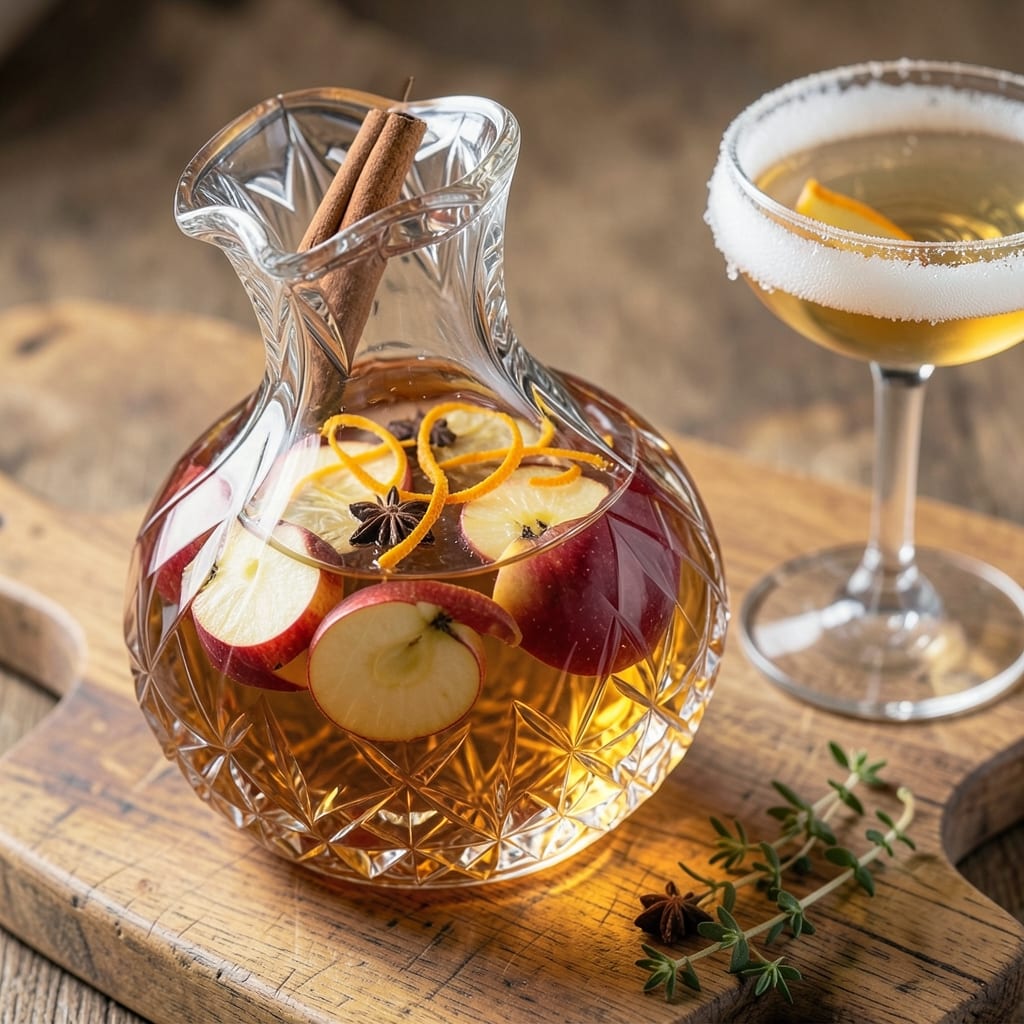
This apple brandy liqueur recipe transforms simple apples into a velvety, golden elixir that captures autumn’s essence in every sip. 🍏 The process blends traditional fermentation with modern infusion techniques, creating a balance of vanilla, orange, and caramelized apple notes that elevate any cocktail or dessert. What sets this apart is the careful aging process, which develops complex flavors while maintaining a smooth, drinkable finish.
The foundation begins with fresh apples—peeled, cored, and simmered until tender—then combined with sugar and yeast to kickstart fermentation. After 7-10 days of developing natural fruit sugars into alcohol, the mixture is distilled and infused with brandy, vanilla, and orange peel for depth. This isn’t just a liqueur; it’s a layered experience where each ingredient contributes to the final harmony.
By the time you strain and bottle the finished product, you’ll have a liqueur with a rich amber hue and a profile that’s both bold and refined. The vanilla and orange peel add warmth and brightness, while the aged brandy base ensures a sophisticated finish. Perfect for sipping neat, mixing into cocktails, or drizzling over desserts, this recipe delivers professional-quality results at home.
Safety is key—this process involves alcohol fermentation, so proper proofing and distillation are critical. The recipe includes clear steps to ensure a smooth, safe outcome, whether you’re a home distiller or a curious beginner. Let’s get started on creating your own batch of infused warmth.
Ingredients for apple brandy liqueur
Simple ingredients transform into a velvety, golden liqueur with autumn's essence—vanilla, orange, and caramelized apple notes.
| Ingredient | Amount | Notes |
|---|---|---|
| Fresh Apples 🍏 | 2 lb | Peeled, cored, quartered |
| Granulated Sugar 🍚 | 1 ½ cups | White or raw cane sugar |
| Active Dry Yeast 🍞 | ¼ oz | Or 1 packet (2.25 tsp) |
| Distilled Water 💧 | 4 cups | Filtered or spring water |
| Vanilla Extract 🌿 | 1 tbsp | Pure vanilla, not imitation |
| Orange Peel 🍊 | 1 whole | Organic, organic, unpeeled peel |
| Apple Brandy 🍷 | 1 cup | 80-proof minimum, aged |
| Cinnamon Sticks 🌰 | 2 whole | Optional for depth |
| Star Anise 🌟 | 2 whole | Optional for complexity |
| Grapes 🍇 | ½ cup | Red or black, optional |
| Lemon Juice 🍋 | 1 tbsp | Freshly squeezed |
| Coffee Filters 🧻 | 1 package | For straining |
| Cheesecloth 🧵 | 1 sheet | For fine filtration |
| Brown Sugar 🍯 | ¼ cup | For caramelization |
The apples are the heart of this recipe—Honeycrisp or Fuji work best for their balance of sweetness and acidity. Local orchards or farmers markets often have the freshest varieties, but any crisp apple will do. Peel and core them thoroughly to avoid bitterness during fermentation. The yeast is critical here: SafAle US-05 or Lalvin EC-1118 are reliable choices, but active dry yeast works in a pinch. For the orange peel, use organic, unpeeled oranges—the zest and oils are key for that bright citrus note. If you can't find organic, wash conventional peels well and remove any white pith.
No vanilla extract? Vanilla bean paste or scraped seeds will give you that same deep flavor. Running low on brandy? Applejack or Calvados work beautifully as substitutes—they bring their own apple character to the mix. The cinnamon sticks and star anise are optional but add layers of warmth and complexity. If you're feeling adventurous, toss in a handful of grapes for a subtle jammy note. The brown sugar is for caramelization—don't skip it, as it adds that rich, amber depth. For the yeast, make sure it's fresh and active—test it in warm water with a pinch of sugar before adding to your mixture.
This liqueur develops over time, so patience is key. After fermentation, store the strained mixture in a clean, airtight container in a cool, dark place for at least 4 weeks—longer aging enhances the flavors. The finished product keeps for up to 2 years in the refrigerator. For serving, use a jigger or small liqueur glass—this isn’t something you want to pour generously. The alcohol content will be around 25-30% ABV, making it perfect for sipping neat or mixing into cocktails like Old Fashioneds or apple martinis. Always label your bottles clearly, as homemade liqueurs can easily be mistaken for commercial products.
Why You'll Love This Recipe
- Pantry-Friendly Magic: I swear by this recipe because it uses ingredients you’re already stocking—no specialty trips needed. That jar of sugar? The vanilla you bought on sale? The apples from your last grocery run? Boom, you’ve got the base for something that tastes like a cozy autumn evening in a bottle.
- Sweet & Spiced Warmth: The yeast does its quiet work while the apples caramelize just enough to give it that hint of cider-house charm. Add a splash of vanilla, and suddenly you’ve got a liqueur that’s smooth enough for sipping alone but bold enough to stand up to coffee or even a simple pancake drizzle.
- Host-Worthy Flexibility: Between us, this is my go-to for last-minute gifts or impressing guests who think homemade liqueur is "too fancy." It’s the kind of thing you can batch-make, bottle, and hand out at holidays—or keep for yourself when you’re craving something that feels special without the fuss.
- Zero-Waste Win: Honestly, the best part? Those bruised apples or peels you’d normally toss? Perfect. The yeast and sugar turn them into something luxurious, and you’re left with a bottle that costs pennies per serving. My wallet and my compost bin thank me every time.
Step-by-step instructions for apple brandy liqueur
Precision meets tradition in this method—each step builds the liqueur's signature balance of spice, fruit, and warmth.
🍳 Step 1: Create the Apple Base and Infuse Flavors
In a large pot, combine the 2 lb peeled, cored, quartered fresh apples, 4 cups distilled water, and the 1.5 cups granulated sugar. Bring to a boil over medium-high heat, then reduce to a simmer. Cook uncovered for 30-40 minutes until the apples break down completely and the mixture reduces to about 2 cups—this concentrated syrup forms the foundation.
While the apples cook, add the 1 whole orange peel, 2 whole cinnamon sticks, 2 whole star anise, and 0.5 cup grapes to the pot. Simmer for another 10 minutes to infuse the flavors. The mixture should smell richly aromatic with citrus and spice notes. Strain through the cheesecloth into a clean bowl, pressing gently to extract all liquid. Discard the solids.
🔥 Step 2: Ferment the Mixture
Dissolve the 0.25 oz active dry yeast in ½ cup warm distilled water (about 105-110°F) until fully dissolved. Stir this yeast mixture into the strained apple liquid, then add the 1 tbsp vanilla extract and 1 tbsp lemon juice. Cover the bowl with a clean kitchen towel and let it ferment at room temperature for 48-72 hours—you'll see bubbles forming and a slightly fizzy texture.
After fermentation, taste the mixture. It should have a mild, tangy sweetness with hints of apple and spice. If it smells overly sharp or yeasty, ferment for another 12 hours. Once satisfied, strain again through the coffee filters to remove any remaining solids, ensuring a smooth texture for the final product.
🥘 Step 3: Add Brandy and Caramelize
In a clean saucepan, combine the strained fermented liquid with the 1 cup apple brandy and 0.25 cup brown sugar. Heat over medium-low heat until the sugar dissolves completely, then increase the heat to medium and simmer for 15-20 minutes, stirring occasionally. This step caramelizes the sugars, deepening the liqueur’s richness and adding a subtle toasted note.
Watch for the mixture to reduce slightly and develop a glossy sheen. The aroma should evolve into a complex blend of apple, spice, and caramel. Remove from heat once it reaches your desired consistency—it should coat the back of a spoon but remain pourable.
⏰ Step 4: Bottle and Age for Depth
Transfer the warm liqueur to a clean glass bottle or jar, leaving about ½ inch of headspace to allow for expansion. Seal tightly and let it cool to room temperature. Store in a cool, dark place for at least 2 weeks—this aging period allows the flavors to meld and mellow. For best results, age for 4-6 weeks, tasting periodically to monitor flavor development.
The liqueur will gradually develop a smoother, more integrated profile with layers of vanilla, citrus, and spice. Once aged to your liking, chill before serving over ice or in cocktails. This method ensures a liqueur with infused warmth and vanilla-orange depth, ready to elevate any drink or dessert.
Pro Tips For Making Apple Brandy Liqueur
- Peel the Apples Right: Cut a shallow cross in the bottom of each apple before peeling—it keeps the fruit from curling into useless knots. I learned this the hard way after spending 20 minutes trying to salvage a pile of apple scraps that looked like tiny boats.
- Use Warm Water Only: Dissolve the sugar in warm (not hot) distilled water first—this speeds up fermentation without shocking the yeast. After burning through three batches with sluggish fermentation, I finally realized cold water was the real bottleneck.
- Cover Loosely with Cloth: Don’t seal the fermentation jar completely—cover it with a damp kitchen towel secured with a rubber band. This lets CO₂ escape while keeping fruit flies out, and I’ve never had a moldy batch since switching from plastic wrap.
- Add Vanilla Last: Stir in the vanilla extract only after fermentation slows (when bubbles drop to once every 24 hours). Adding it early can turn your liqueur into a science experiment—vanilla compounds break down faster than you’d think, and you’ll regret the extra effort.
Perfect pairings for apple brandy liqueur
Cocktail Pairings
This liqueur shines in classic cocktails where its vanilla-orange depth complements citrus and spice. Try it in an Apple Brandy Old Fashioned—mix 2 oz liqueur, 1 oz bourbon, and 2 dashes Angostura bitters with ice, then garnish with an orange twist. For a refreshing twist, blend 1.5 oz liqueur, 1 oz gin, 0.5 oz elderflower liqueur, and 0.5 oz lemon juice for a sparkling Autumn Spritz—top with chilled prosecco. 🍹
Dessert Elevations
Drizzle 1 tbsp of aged liqueur over warm apple crumble or vanilla bean ice cream for a sophisticated finish. For a showstopper, reduce ½ cup liqueur with 1 cup heavy cream and 2 tbsp brown sugar until thickened, then fold into panna cotta or pour over poached pears. The caramelized notes enhance baked goods too—brush onto apple galette before baking for a glossy, aromatic crust.
Non-Alcoholic Adaptations
Create a spiced apple syrup by simmering 1 cup apple juice, ½ cup sugar, and 1 cinnamon stick for 15 minutes, then strain. Mix 1 oz syrup with 4 oz sparkling water and a splash of vanilla for a mocktail that mimics the liqueur’s warmth. For baking, replace brandy with apple cider in recipes like apple cake—the vanilla and orange zest still deliver depth. 🍏
Cheese and Charcuterie
Pair the liqueur with aged cheddar or brie for a savory-sweet contrast. Drizzle ½ oz liqueur over goat cheese tartlets before baking, or serve it alongside prosciutto-wrapped melon for a balanced bite. The spiced apple notes cut through rich cheeses, while the vanilla adds a luxurious touch. For a simple pairing, offer small glasses of liqueur alongside dark chocolate (70% or higher) to highlight its caramel undertones.
Seasonal Serving Ideas
In fall, serve the liqueur chilled in mini mason jars with a cinnamon stick garnish for cozy gatherings. For holiday cheer, infuse it into hot apple cider by simmering 1 cup liqueur with 4 cups cider and 1 star anise for 10 minutes. In winter, pair it with spiced nuts or gingersnap cookies—the warmth of the liqueur complements the heat of the spices. 🎄
Nutrition facts
Frequently asked questions
Can I use store-bought apple juice instead of fresh apples?
While you can substitute apple juice, fresh apples create a richer, more complex flavor profile through fermentation. For best results, use 1 cup of unsweetened apple juice per 1 lb of fresh apples called for in the recipe. If using juice, reduce the sugar by 0.5 cup since it already contains natural sugars. The texture will be smoother but less vibrant than with fresh apples.
How do I know when the fermentation is complete?
Fermentation is done when the mixture stops bubbling vigorously and develops a mild, tangy apple aroma (like hard cider). Taste it after 48-72 hours—it should be sweet with subtle yeasty notes, not overly sharp or alcoholic. If it smells overly yeasty or sharp, let it ferment another 12-24 hours. Over-fermenting can make the final liqueur too harsh.
What’s the difference between aging 2 weeks vs. 6 weeks?
Aging 2 weeks gives you a bright, fruity liqueur with pronounced apple and vanilla notes, perfect for cocktails. Extending to 6 weeks deepens the caramel and spice complexity, creating a smoother, more rounded flavor ideal for sipping neat. The longer aging also mellows any harsh alcohol notes, resulting in a velvety texture. Taste at 4 weeks to decide!
Can I skip the distillation step?
This recipe doesn’t require distillation—it’s a fermented infusion, not a spirits production. The brandy you add later acts as the alcohol base, so you’re creating a liqueur (like apple jack or Calvados-style) rather than distilling alcohol from scratch. The fermentation step develops the flavor, while the brandy adds alcohol content and depth. Just ensure your brandy is at least 80-proof for proper strength.
How do I store homemade liqueur long-term?
Once bottled, store your liqueur in a cool, dark place (like a pantry) for up to 6 months. For longer storage (1-2 years), refrigerate it in airtight glass bottles. Avoid plastic—it can absorb flavors and odors. Always leave ½ inch of headspace to prevent oxidation. Label bottles clearly with the date and contents, as homemade liqueurs can easily be mistaken for commercial products.