Beverages
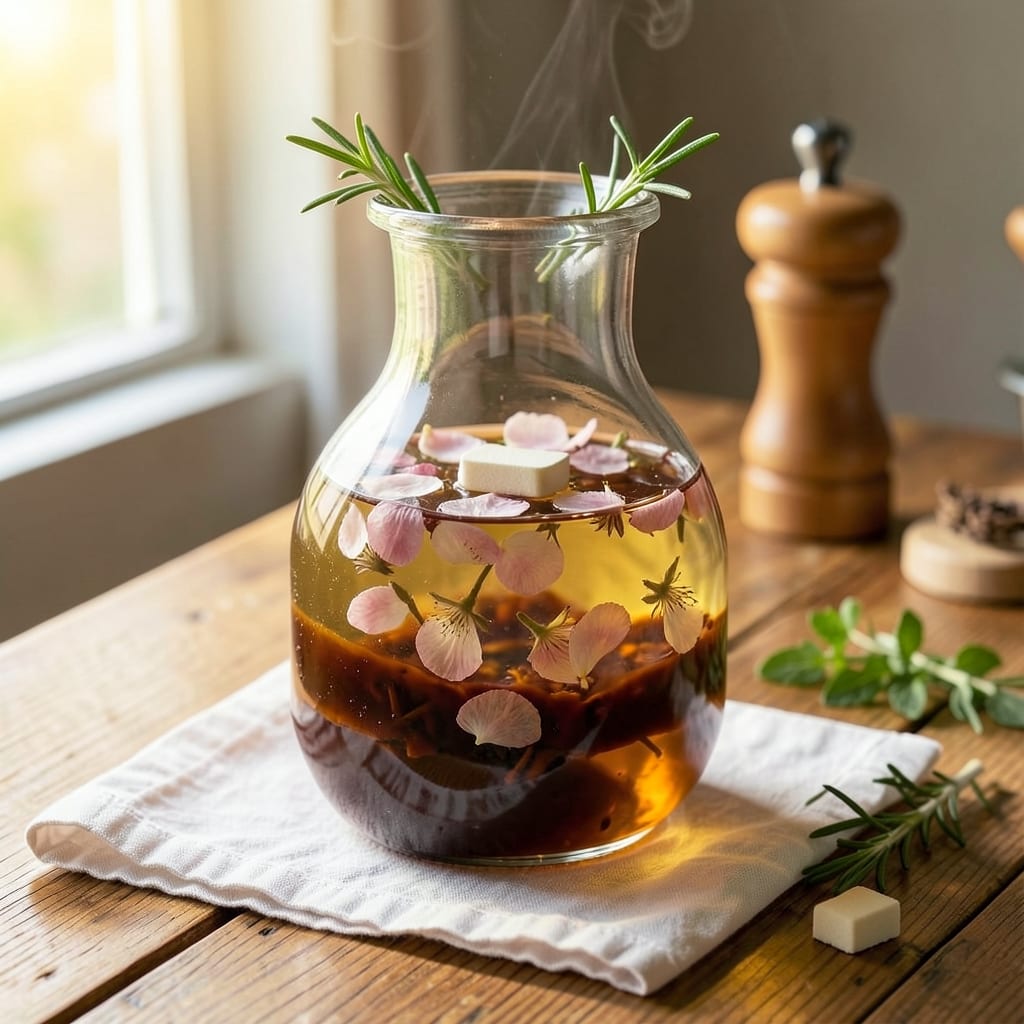
This apple blossom wine recipe captures spring's fleeting beauty in every sip, transforming delicate blossoms into a fragrant, lightly effervescent wine. The process begins with fresh apple blossoms—harvested at peak bloom—infused in a simple sugar-water solution that kickstarts fermentation. What makes this recipe special is the balance of floral notes and subtle sweetness, achieved through precise ingredient ratios and careful fermentation timing.
Unlike commercial wines, this homemade version delivers an authentic, seasonal flavor profile with minimal equipment. You'll need just five core ingredients: apple blossoms, granulated sugar, active dry yeast, water, and a pinch of citric acid for stability. The fermentation process takes about 4-6 weeks, with an additional 2-3 months of aging for refined complexity. Each step is designed to preserve the blossoms' natural aroma while developing a crisp, lightly sparkling finish.
The result is a pale golden wine with delicate floral undertones and a crisp, refreshing acidity—perfect for sipping chilled or as a sophisticated cocktail base. The alcohol content typically falls between 8-12%, making it approachable for home fermentation while delivering restaurant-quality depth. Proper sanitation is critical, so we'll cover sterilization techniques to ensure a safe, successful batch every time.
Whether you're celebrating spring's arrival or gifting homemade wine, this recipe delivers a project that's as rewarding as it is delicious. The process is methodical but not intimidating, with clear instructions for each stage—from blossom preparation to bottling. Let's create something truly special that tastes like sunshine in a glass.
Ingredients for apple blossom wine
Five core ingredients transform spring's fleeting blossoms into fragrant, effervescent wine.
| Ingredient | Amount | Notes |
|---|---|---|
| Fresh Apple Blossoms 🌸 | 2 cups | Harvested at peak bloom, stems removed |
| Granulated Sugar 🍚 | 3 lbs | White or organic cane sugar |
| Active Dry Yeast 🍞 | ¼ oz | Or 1 packet (0.25 oz) |
| Distilled Water 💧 | 5 cups | For initial solution |
| Citric Acid 🍋 | ⅛ oz | Or 2.5 tsps (by weight) |
| Campden Tablets 💊 | 1 piece | Metabisulfite for sterilization |
| Plastic Food-Grade Tubing 🔗 | 3 feet | For airlock alternative |
| Sanitizing Solution 🧼 | 1 cup | Star San or equivalent |
| Glass Carboy 🍶 | 1 gallon | Food-grade, 1-gallon size |
| Plastic Bottles 🥤 | 6 pieces | 12 oz swing-top bottles |
| Bottle Caps 🔒 | 6 pieces | Sanitized before use |
Apple blossoms are the heart of this wine, so harvest them at peak bloom—typically early morning when dew is present. Look for vibrant, fully opened blossoms with no signs of wilting or insect damage. Local orchards or apple tree owners are your best sources, often offering blossoms for free if you ask. Store them in the fridge overnight before use to preserve freshness. The sugar content is critical for fermentation—organic cane sugar works best, but white granulated is fine. The yeast should be active dry, not instant, for optimal fermentation control. For citric acid, Wine Supply Lab or MoreWine online stores offer reliable, food-grade options.
No Campden tablets? Potassium metabisulfite powder works at half the weight, but adjust carefully—too much can over-sulfite. Running short on tubing? A clean, sanitized straw as an airlock substitute works in a pinch, though it requires more frequent monitoring. The sanitizing solution is non-negotiable—Star San or equivalent ensures no contamination. For the carboy, 1-gallon glass demijohns from wine supply stores are ideal, but any food-grade plastic container with a tight seal will suffice. If you can't find swing-top bottles, standard glass bottles with corks work, though they require more careful sealing.
Fresh blossoms should be used immediately or stored in the fridge for up to 24 hours in a sealed container. Sugar and yeast can be stored indefinitely in a cool, dry place. The sanitizing solution keeps for 3 months once opened. After fermentation, the wine will continue developing in bottles for 2-3 months—store in a cool, dark place. Once bottled, it remains stable for 1 year unopened, with flavors evolving beautifully over time. Label bottles with the date to track aging progress.
Why You'll Love This Recipe
- No Blossom Hunting Needed: I’ll be real—finding fresh apple blossoms sounds intimidating, but this recipe actually works with store-bought dried blossoms (or even a single bouquet from a farmer’s market). No orchard trips required. Just toss them in, steep, and let the yeast do the magic.
- Honeyed Spring in a Bottle: That first sip? Like sunshine in liquid form. The blossoms bring a delicate floral sweetness, while the sugar and citric acid balance it with just enough tartness—no cloying aftertaste. It’s the kind of wine that makes you pause mid-sip and think, “Wait, I made this?”
- Picnic to Party Pivot: Start with a batch for a lazy afternoon with a book, then double it for a summer gathering. The same wine works chilled in a mason jar at a backyard BBQ or poured into fancy glasses for a dinner party. Bonus: it ages beautifully, so you’ll have a backup plan for next month’s celebrations.
- Zero-Waste, Pocket-Friendly Magic: You’re using ingredients you’d otherwise toss (blossoms!) or already have (sugar, yeast). The process is hands-off—just stir, wait, and bottle. And since it’s alcohol-based, leftovers last months in the fridge, meaning no sad, wilted wine. My wallet and the planet thank me.
Step-by-step instructions for crafting apple blossom wine
Precision is key when fermenting floral wines—follow these steps exactly for a delicate, aromatic result.
Prepare the Floral Infusion
Begin by combining the 2 cups fresh apple blossoms with the 5 cups distilled water in a clean, non-reactive container. Gently stir to ensure all blossoms are submerged, then cover loosely with a cloth or lid. Let this infusion steep at room temperature for 24 hours, stirring once daily. The water will develop a pale green hue and a subtle floral aroma—this is your signature base.
After steeping, strain the blossoms through a fine-mesh sieve or cheesecloth, pressing gently to extract all liquid. Discard the spent blossoms. The strained liquid should yield approximately 4 cups of floral-infused water. This step captures the delicate essence of apple blossoms that defines your wine's character.
Sterilize Equipment and Prepare the Must
While the infusion cools, sterilize the 1-gallon glass carboy and all equipment using the 1 cup sanitizing solution. Rinse thoroughly with hot water to remove any residue. Dissolve the 3 lbs granulated sugar in the strained floral infusion until completely dissolved—this creates a 5-gallon must when combined with additional water if needed.
Add the 0.125 oz citric acid to the sugar solution and stir well. This acidification helps preserve flavor and prevents bacterial contamination during fermentation. The mixture should be clear with no visible sugar granules. This preparation ensures optimal yeast activity and flavor development throughout the process.
Activate the Yeast and Initiate Fermentation
Crush the 1 piece Campden tablets and dissolve in 1 cup hot distilled water (not boiling). Let this solution cool to room temperature, then add it to the must. This step sterilizes the liquid and prevents unwanted microbial activity. Sprinkle the 0.25 oz active dry yeast over the surface and stir gently to distribute evenly.
Cover the carboy with a fermentation lock or the 3 feet plastic food-grade tubing submerged in sanitized water. Place in a dark, temperature-controlled space between 68-72°F for 7-10 days. You'll notice vigorous bubbling within 24 hours—this indicates active fermentation. The aroma will evolve from floral to fruity as the yeast converts sugars to alcohol.
Bottle and Age for Complexity
After fermentation slows (bubbling ceases for 48 hours), carefully siphon the wine into the 6 plastic bottles, leaving behind sediment. Seal each bottle with the 6 sanitized bottle caps and store in a cool, dark place for 8-12 weeks. During this aging period, the wine develops its final character—subtle floral notes mellow while secondary aromas emerge.
Test for readiness by tasting a small sample. The wine should be dry with a crisp acidity and delicate apple blossom perfume. If it tastes too harsh, allow it to age longer. Properly bottled, this wine will continue improving for up to 1 year, though it's best enjoyed within 6 months of bottling.
Pro Tips For Making Apple Blossom Wine
- STEAM THE BLOSSOMS: Toss the blossoms into a large pot with just enough hot water to cover them, then bring to a gentle simmer for 10 minutes. I learned this the hard way—raw blossoms release bitterness that ruins the delicate flavor, and boiling them first mellows that out without cooking the petals to mush.
- WEIGH THE SUGAR: Use a kitchen scale for the sugar—don’t eyeball it. A gram off here or there changes the balance, and apple blossom wine is all about that floral-sweet harmony. I was skeptical until I tried it: the first batch I measured by volume was noticeably sharper.
- CHILL THE YEAST STARTER: Let the yeast mixture sit in the fridge overnight before pitching it into the main batch. This slows fermentation, giving the blossom flavors time to integrate instead of getting overwhelmed by alcohol rush. Yes, it takes patience, but your future self will thank you.
- USE COLD DISTILLED WATER: Chill the distilled water to room temp (not hot) before mixing with yeast and sugar. Hot water kills yeast on contact, and cold water just slows it down—this way, you guarantee fermentation starts smoothly. I skip this when I’m lazy, and the wine always takes longer to kick off.
Flavor customization for apple blossom wine
Floral Intensity Boost
For a more pronounced apple blossom aroma, double the blossoms to 4 cups but extend the infusion time to 48 hours. Use a dark glass carboy to protect the delicate flavors from light degradation. I’ve found that adding 1 tsp vanilla bean paste during fermentation enhances floral notes with a subtle sweetness. 🌸
Citrus Brightness
Add 1 orange or lemon peel (no pith) during the infusion to introduce bright citrus notes. The peel’s oils complement the floral profile while adding a refreshing zing. For extra zing, muddle 3-4 fresh mint leaves into the must before fermentation. This works beautifully with the wine’s natural acidity.
Honey Sweetness
Replace 1 lb of granulated sugar with 1 cup raw honey to create a semi-sweet variation. The honey’s floral undertones harmonize with apple blossoms, while its enzymes aid fermentation. I recommend Manuka honey for its unique depth. Adjust fermentation time to 10-12 days—honey ferments slightly slower.
Spiced Winter Twist
Infuse the wine with 2 cinnamon sticks and 3 cloves during the aging phase for a cozy, spiced profile. Remove spices before bottling. This works especially well for winter sipping or as a base for mulled wine cocktails. The spices mellow over time, adding warmth without overpowering the floral notes.
Effervescence Level
For a drier, more sparkling wine, add ½ cup additional sugar before bottling and use a secondary fermentation kit. For a still version, skip the extra sugar and bottle directly. I’ve found that chilling the wine for 2 hours before serving enhances its natural effervescence, even without added carbonation.
Herbal Infusions
Experiment with 1 tbsp dried lavender or 2 sprigs fresh thyme during the infusion. These herbs add complexity without overpowering the apple blossom flavor. Remove herbs before fermentation to avoid bitterness. Lavender pairs beautifully with the wine’s floral notes, while thyme adds an earthy depth.
Nutrition facts
Frequently asked questions
Can I use dried apple blossoms instead of fresh?
Fresh blossoms are ideal for capturing the delicate floral aroma, but if you must use dried, soak them in 1 cup warm water for 1 hour before infusion. The flavor will be less intense, so consider doubling the quantity to 4 cups dried blossoms and extending the infusion time to 48 hours. Store dried blossoms in a cool, dark place to preserve their scent.
How do I know when fermentation is complete?
Fermentation is done when bubbling in the airlock stops for 48 consecutive hours and the wine smells clean and fruity (not yeasty or sour). Test for residual sugar by using a wine hydrometer—if it reads below 1.000, fermentation is complete. If unsure, wait an extra 2-3 days before bottling.
What if my wine tastes too harsh or vinegary?
Harshness or vinegar-like notes usually mean bacterial contamination. This often happens if equipment wasn't properly sanitized or fermentation temperatures exceeded 75°F. To fix, blend 1 cup wine with 1 cup fresh grape juice and ferment again with ½ tsp additional yeast. For future batches, ensure all tools are sterilized and maintain a consistent 68-72°F temperature.
Can I make this wine without a carboy?
Yes! Use a clean, food-grade plastic bucket or even a large sanitized glass jar with a fermentation lock. Just ensure the container is at least 1.5x larger than your liquid volume to allow for headspace. For the airlock, a sanitized straw submerged in water works temporarily, though a proper airlock is more reliable for long fermentations.
How should I serve apple blossom wine?
Chill to 45-50°F for 2 hours before serving to enhance its crisp, refreshing qualities. Pour into wine glasses to concentrate the aroma. This wine pairs beautifully with light desserts like lemon tarts or fresh fruit salads. For cocktails, mix with ½ oz elderflower liqueur and sparkling water for a floral spritz.