
Desserts
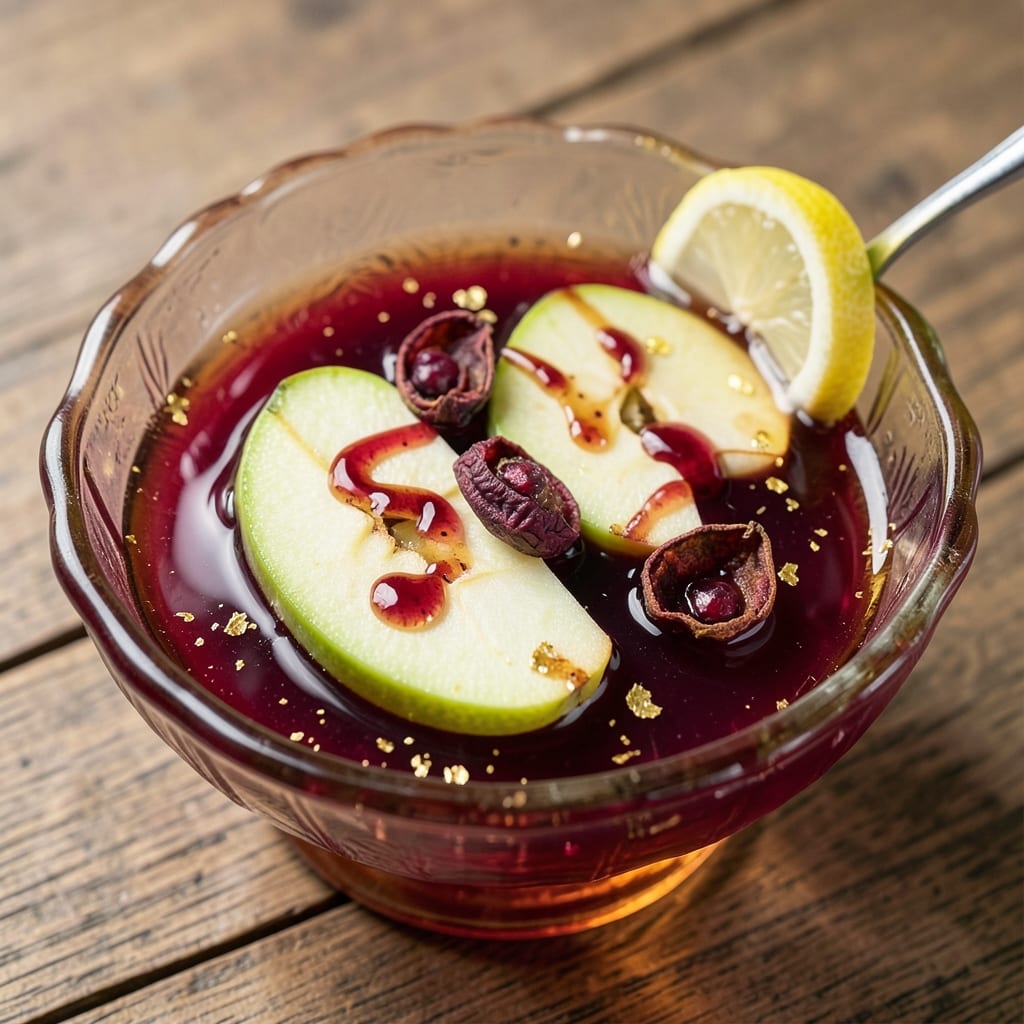
This apple and rosehip jelly recipe transforms seasonal fruit into a tart-sweet preserve with just four simple ingredients and a precise method. The balance of crisp apple flavor and tart rosehip creates a complex, vibrant jelly perfect for toast, desserts, or gifting. I developed this recipe after experimenting with rosehip's natural pectin content, eliminating the need for store-bought thickeners.
The process begins with simmering apple and rosehip mixture until it reaches a perfect set, using the fruit's natural pectin for structure. This method ensures a clear, glossy jelly with bright red highlights from the rosehips—visually stunning and delicious. The recipe yields about four standard jars, making it ideal for batch cooking and sharing.
What makes this jelly special is its versatility—spread on warm scones, drizzle over yogurt, or use as a glaze for roasted meats. The tartness of rosehip cuts through rich desserts beautifully, while the apple base keeps it familiar and approachable. With just 30 minutes of active time and minimal equipment, you'll have restaurant-quality preserves at home.
Storage is simple: refrigerate for up to two weeks or process in a water bath for long-term shelf stability. The jelly's natural sweetness means you can adjust sugar levels to taste, though I recommend starting with the full amount for proper set and preservation. This recipe delivers professional results with homemade simplicity.
Ingredients for apple and rosehip jelly
Four core ingredients create this vibrant tart-sweet preserve using fruit's natural pectin for perfect set.
| Ingredient | Amount | Notes |
|---|---|---|
| Granny Smith Apples 🍎 | 2 lb | Peeled, cored, sliced into thin wedges |
| Dried Rosehips 🍇 | 1 cup | Organic, unsulfured preferred |
| Granulated Sugar 🍚 | 3 cups | White or raw cane preferred |
| Lemon Juice 🍋 | ¼ cup | Freshly squeezed, strained |
| Culinary Gelatin 🍬 | 1 tbsp | Unflavored, vegetarian-grade |
| Water 💧 | 1 cup | Filtered preferred for clarity |
| Lime Juice 🍈 | 1 tbsp | Freshly squeezed, for brightness |
The Granny Smith apples are essential for their crisp acidity and natural pectin—organic produce with firm texture works best. Local farmers markets often carry them in late summer, or opt for Whole Foods or Trader Joe's for consistent quality. Rosehips should be organic and unsulfured, available at specialty health stores or online vendors like Mountain Rose Herbs. Their tartness balances the apple's sweetness perfectly when properly hydrated. For gelatin, vegetarian-grade is critical—Great Lakes or Knox brands are reliable choices. The lemon juice acts as both a preservative and flavor enhancer, so freshly squeezed is non-negotiable for optimal results.
No Granny Smith apples? Green apples like Fuji or Honeycrisp work in a pinch, though flavor will differ slightly. Substitute rosehips with crabapples or blackcurrants (use 1.5 cups) for similar tartness, though pectin levels may vary. White sugar can replace raw cane at a 1:1 ratio, though raw adds subtle molasses notes. Lemon juice shortages? Lime juice at half the amount provides similar acidity, though flavor shifts slightly. For the gelatin, agar-agar at 2 tsp can replace it completely for a vegan option—though texture will be firmer. Always strain fruit juices thoroughly to maintain jelly clarity, regardless of substitutions.
Store finished jelly in sterilized glass jars in the refrigerator for up to 2 weeks or process in a water bath for 12-18 months shelf stability. The bright red highlights from rosehips fade slightly over time, so use within 6 months for optimal color. For gifting, paraffin-seal jars extend freshness. The jelly's natural sweetness means it pairs beautifully with aged cheeses, roasted meats, or buttery pastries—perfect for holiday gifting when made in larger batches.
Why You'll Love This Recipe
- No Peel, No Stress: I swear by Granny Smiths here—tart, firm, and they barely need peeling. Just core, chop, and toss in the pot. My kids think it’s magic when the jelly thickens without a single knife wound.
- Tart-Sweet Magic: That rosehip kick? It’s like biting into autumn in a jar. The Granny Smith’s sharpness softens just enough, while the rosehips add this wild, berry-bright depth—like a fancy sorbet but in jelly form. Honestly, I’ve never met a jam that balances both so well.
- Jelly for Everything: Spread it on toast when I’m lazy, drizzle it over yogurt for breakfast, or even toss it into cocktails when guests come over. (Yes, even on a Tuesday night.) The lemon juice keeps it bright, so it won’t cloy no matter how you use it.
- Makes a Month’s Worth: One batch lasts me weeks—gift jars to neighbors, stash some in the freezer, or just keep it on hand for emergencies. The gelatin sets it perfectly, so no weird runny moments. Between us, this is my pantry’s secret weapon for when I forget to buy store-bought.
Step-by-step instructions for apple and rosehip jelly
Transform tart apples and rosehips into a vibrant, tart-sweet preserve with this precise method.
Prepare the Fruit Base
In a large, heavy-bottomed saucepan, combine the 2 lb Granny Smith Apples (pre-sliced into thin wedges) with the 1 cup Water. Bring to a boil over medium-high heat, then immediately reduce to a simmer. Cover and cook for 15-20 minutes until the apples break down completely and the mixture becomes a smooth purée. You'll know it's ready when the texture resembles thick applesauce with no visible chunks.
While the apples cook, prepare the rosehips by placing the 1 cup Dried Rosehips in a fine-mesh strainer. Rinse them thoroughly under cold water to remove any debris or dust. This step is crucial—rosehips can harbor small seeds or grit that would make your jelly grainy. Once rinsed, transfer them to a clean bowl and set aside.
Extract Rosehip Infusion
In a separate saucepan, combine the rinsed 1 cup Dried Rosehips with an additional 1 cup Water. Bring to a boil over medium heat, then reduce to a gentle simmer. Cover and cook for 10 minutes, allowing the rosehips to steep and release their deep, berry-like flavor and natural pectin. The liquid should develop a rich, ruby-red hue and a fragrant, slightly tart aroma.
Strain the rosehip infusion through a fine-mesh sieve or cheesecloth into a clean bowl, pressing gently on the rosehips to extract every last drop of liquid. Discard the spent rosehips—they've given up all their flavor. Measure the strained infusion to ensure you have at least 1 cup of liquid. If needed, add a splash of filtered water to reach the full cup measurement. This infusion will provide both color and natural acidity to balance the sweetness.
Combine and Sweeten
Return the strained rosehip infusion to the saucepan with the cooked apple purée. Stir in the 3 cups Granulated Sugar and the 0.25 cup Lemon Juice, mixing until the sugar dissolves completely. This mixture should be smooth and uniform, with no graininess. Increase the heat to medium-high and bring the mixture to a full rolling boil.
Once boiling, maintain this temperature for 20-25 minutes, stirring frequently with a wooden spoon to prevent scorching. You're looking for the jelly to reach the gel point, which occurs when it reaches 220°F on a candy thermometer. The mixture will thicken noticeably and coat the back of a metal spoon in a thin, glossy layer that holds its shape when the spoon is inverted. This is your signal that the pectin in the apples and rosehips has been activated.
Incorporate Gelatin for Clarity
While the jelly mixture cooks, prepare the gelatin by sprinkling the 1 tbsp Culinary Gelatin evenly over the surface of ½ cup cold Water in a small bowl. Let it sit for 5 minutes to bloom, then microwave for 10-15 seconds until fully dissolved. This creates a smooth, flavorless thickening agent that will give your jelly a brilliant clarity and a firmer set.
Remove the jelly from heat and immediately stir in the dissolved gelatin until fully incorporated. The mixture will thicken slightly as it cools. Add the 1 tbsp Lime Juice and stir well to distribute evenly. The lime juice adds a bright, citrusy note that cuts through the tartness of the rosehips and apples. Pour the jelly into clean, sterilized 4-ounce jars, leaving ½-inch headspace at the top to allow for expansion as it cools.
Process and Store
Seal the jars tightly and let them cool to room temperature. Once cooled, refrigerate the jelly for at least 4 hours to ensure a firm set. The final product should have a vibrant red hue with a glossy sheen, and it should hold its shape when gently shaken. For long-term storage, transfer the jars to the refrigerator, where they'll keep for up to 3 months.
This jelly strikes the perfect balance of tart apple and rosehip flavors, with a smooth, velvety texture that makes it ideal for spreading on toast, pairing with cheese, or using as a glaze for meats. The addition of gelatin ensures a crystal-clear finish that highlights the natural colors of the fruit. Enjoy the satisfaction of creating a preserve that's far superior to anything store-bought.
Pro Tips For Making Apple And Rosehip Jelly
- Simmer Slow and Steady: I learned this the hard way—boiling rosehips too hard turns them bitter. Keep the heat at a gentle simmer (small bubbles, barely there) for 20-25 minutes. If it gets too aggressive, you’ll taste the astringency later, and no amount of sugar will fix it.
- Strain Twice, Strain Right: Use a fine-mesh sieve first to catch big chunks, then a cheesecloth for the final pass. I was skeptical until I tried it—skipping the cheesecloth leaves gritty bits that ruin the silky texture. Wet the cloth first so it doesn’t soak up your precious liquid.
- Weigh the Sugar, Don’t Guess: Rosehip jelly is tart enough that sugar isn’t just for sweetness—it’s for balance. Use a kitchen scale for precision (about 1:1 sugar to juice ratio). I used to eyeball it, and the flavor always came out either cloyingly sweet or weirdly sharp.
- Bloom the Gelatin Cold: Soak the gelatin in cold water for 5 minutes first, then melt it in the warm (not hot) jelly. This prevents clumping and guarantees a smooth set. I know, it’s an extra step, but trust me—lumpy jelly is a crime against dessert.
Creative variations of this apple and rosehip jelly
Herbal Infusion Twist
Swap the rosehips for 1 cup dried hibiscus flowers plus ½ cup dried lavender buds to create a floral-infused jelly. Simmer the hibiscus in 1 cup water for 15 minutes to release deep cranberry-like notes, then strain. Add lavender during the final 5 minutes of cooking for subtle floral aroma—remove it before straining. The result? A pink-hued jelly with earthy depth that pairs beautifully with goat cheese or spiced nuts. 🌸
Spiced Rum Version
Add 1 oz spiced rum (like Captain Morgan) along with the lemon juice for a boozy twist. Simmer the rum with the rosehip infusion for 5 minutes to infuse flavors before combining with apples. The alcohol adds warmth and complexity, making this jelly perfect for holiday gifts or adult desserts. For a stronger kick, increase to 2 oz rum—just reduce the water by ¼ cup to maintain balance. 🥃
Vegan Adaptation
Replace gelatin with 2 tsp agar-agar powder for a vegan-friendly set. Bloom the agar in ¼ cup cold water, then heat until fully dissolved before mixing into the jelly. The texture will be firmer but still glossy. Boost natural pectin by adding 1 extra cup of apple purée or 1 tbsp lemon juice to compensate for the lack of gelatin. This version works beautifully as a plant-based glaze for roasted vegetables or dairy-free yogurt topping. 🌱
Citrus Zest Boost
Zest 1 organic lemon and 1 lime before juicing, then add the zest to the jelly during the final 5 minutes of cooking. The oils will infuse into the jelly, creating a bright, aromatic layer that enhances every spoonful. For extra zing, add 1 thin strip of lemon peel while simmering—remove before straining. This variation shines on citrus shortbread cookies or ricotta toast. 🍋
Rosehip-Cranberry Fusion
Combine ½ cup dried rosehips with ½ cup dried cranberries for a dual-tart profile. Simmer both fruits together in 1 cup water for 10 minutes, then strain. The cranberries deepen the berry notes while keeping the rosehip’s signature tartness. This richer jelly pairs exceptionally well with wild game meats or sharp cheddar. For extra depth, add ½ tsp cinnamon during the final simmer. 🍇
No-Cook Option
For a raw jelly, blend 2 cups soaked rosehips (soaked overnight in 1 cup water) with 2 cups apple purée and 2 cups honey (instead of sugar). Let the mixture sit at room temperature for 24 hours, then strain through cheesecloth. Store in the fridge for 2 weeks—this version has a lighter texture and living enzymes. Perfect for those who prefer minimal cooking or probiotic-rich foods. 🥄
Nutrition facts
Frequently asked questions
Why does this jelly need gelatin?
The gelatin creates a crystal-clear finish that highlights the vibrant colors of the apples and rosehips. It also ensures a firmer set that holds its shape beautifully. For a vegan version, agar-agar works well—just adjust the cooking time slightly.
Can I use fresh rosehips instead of dried?
Fresh rosehips are tricky because they contain tiny hairs that can make your jelly grainy. If you must use fresh, strain them through a fine-mesh sieve and rinse thoroughly. Dried rosehips are the best choice—they release flavor and pectin more evenly.
How do I know when the jelly is done?
Use a candy thermometer—the jelly is ready at 220°F. It should also coat the back of a chilled spoon in a thin, glossy layer that holds its shape when the spoon is inverted. This test is foolproof for perfect set every time.
What if my jelly didn't set properly?
If the jelly is too runny, it likely didn't reach the proper temperature or pectin level. Try adding 1 tsp powdered pectin and reheating to 220°F again. If it's too firm, add 1 tbsp water and stir until smooth. Adjustments are easier with small batches.
How long will homemade jelly last?
Unopened jars keep for 12-18 months in a pantry, while opened jars last 3 months** refrigerated. The vibrant color fades slightly over time, but flavor remains excellent. For gifting, use sterilized jars with wax seals for extra freshness.