
Desserts
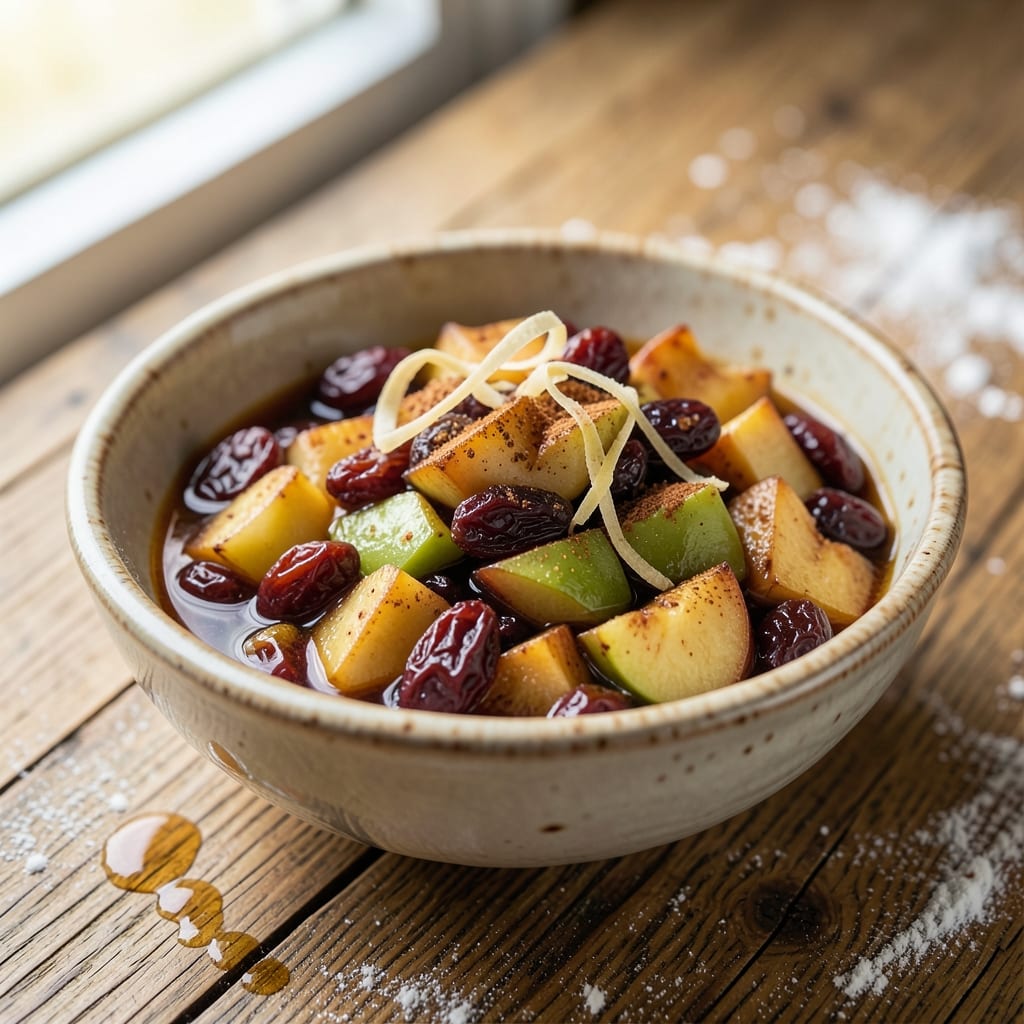
This apple and raisin chutney recipe transforms humble pantry staples into a vibrant, sweet-savory condiment that bridges cultures and occasions with effortless elegance. The slow simmer of tart apples, plump raisins, and aromatic spices creates a texture that’s neither too chunky nor too smooth—just right for spreading, drizzling, or pairing. I developed this version after years of experimenting with regional chutneys, balancing traditional warmth with modern versatility.
The magic lies in the spice blend—cinnamon for depth, ginger for brightness, and a touch of black pepper to cut through the sweetness. A splash of apple cider vinegar ensures that signature tang that makes chutney irresistible. What makes this recipe stand out is its adaptability: serve it with sharp cheddar and crackers for a sophisticated appetizer, swirl it into yogurt for a breakfast twist, or use it as a glaze for roasted meats. The flavors only deepen over time, making it perfect for meal prep.
By the time you taste the first spoonful, you’ll understand why this chutney earns its place in both traditional spreads and modern charcuterie boards. The apples soften just enough to release their natural sweetness, while the raisins plump and burst with each bite. This isn’t just a condiment—it’s a flavor experience that turns ordinary meals into memorable ones. Ready to make it? The ingredients list is simple, but the results are anything but.
Storage is effortless: keep it refrigerated for up to two weeks or extend its shelf life with canning for months. The versatility doesn’t end there—swap raisins for dried apricots, add a pinch of cardamom, or reduce the vinegar for a sweeter profile. This chutney is the kind of recipe that improves with repetition, rewarding you with layers of flavor every time you reach for it.
Ingredients for apple and raisin chutney
Pantry staples and a few specialty touches create this vibrant, spiced chutney that works everywhere.
| Ingredient | Amount | Notes |
|---|---|---|
| Granny Smith Apples 🍎 | 4 medium | Peeled, cored, chopped |
| Raisins 🍇 | 1 cup | Plump, seedless preferred |
| Apple Cider Vinegar 🍶 | ¼ cup | Raw, unfiltered preferred |
| Granulated Sugar 🍚 | ½ cup | Light brown preferred |
| Fresh Ginger 🌿 | 2 tbsp | Finely grated, peeled |
| Ground Cinnamon 🌶️ | 1 tsp | Ceylon preferred for warmth |
| Ground Black Pepper 🌶️ | ½ tsp | Freshly cracked preferred |
| Ground Cardamom 🌿 | ¼ tsp | Optional, for depth |
| Extra-Virgin Olive Oil 🫒 | 2 tbsp | For richness, high quality |
| Salt 🧂 | ½ tsp | Diamond Crystal preferred |
The apples are non-negotiable—Granny Smiths bring the right tartness, but Fuji or Honeycrisp work in a pinch. I always grab the organic ones from Trader Joe's because they're consistent, but any firm, flavorful apple does the trick. Raisins should be plump, not dried out—Sun-Maid or Kraft are reliable. The ginger needs to be fresh; jarred ginger just doesn't cut it here. Whole Foods usually has the best ginger roots if you want to grate it yourself. Cardamom is optional but adds that extra layer of complexity—Penzeys sells pods if you want to toast and grind them fresh.
No apple cider vinegar? White vinegar or lemon juice works, but you'll lose that signature depth. Running low on raisins? Dried apricots or dates chop beautifully—just soak them first. The sugar can be swapped for maple syrup or coconut sugar, though brown sugar gives the best color. Fresh ginger is ideal, but powdered ginger at half the amount gets you close. Want more heat? Add a pinch of cayenne. The olive oil is worth the investment—California brands like Corto make all the difference in the final texture.
This chutney tastes better with age—3-5 days in the fridge lets the flavors meld perfectly. For longer storage, transfer to a clean jar and seal with a paraffin wax disc for canning. Keeps for 6-12 months in a cool, dark place. I make double batches because it disappears fast—perfect for holiday gifts or last-minute appetizers. The texture thickens as it sits, so stir before serving if it's been refrigerated.
Why You'll Love This Recipe
- No Peel, No Stress: I swear by Granny Smiths here—tart, firm, and the skin stays on. Dice them while chatting with someone, no knife skills required. That vinegar and ginger combo does the rest.
- Sweet-Tart Magic: The raisins plump up in the simmer, turning chewy and jammy, while the ginger’s sharp bite cuts through the sugar’s richness. Slather it on grilled cheese or toss it with roasted chicken—it’s the kind of balance that makes you pause mid-bite.
- Pantry Staple Power: Honestly, I make this when I’m low on inspiration. Apples, raisins, vinegar—stuff you already have. It’s my go-to for charcuterie boards, sandwiches, or even a quick dip for veggies when I’m too tired to plan.
- Lasts All Week: This chutney thickens beautifully over time, so I double the batch. Keeps in the fridge for weeks, or even months in the freezer. My lazy Sundays thank me every time I pull out a jar instead of scrambling for a fresh recipe.
Step-by-step instructions for apple and raisin chutney
This chutney delivers a perfect balance of sweet, tart, and spicy—ideal for cheese boards, sandwiches, or as a glaze.
Sauté the Aromatics for Depth of Flavor
Heat the 2 tablespoons extra-virgin olive oil in a medium saucepan over medium heat. Add the 2 tablespoons finely grated fresh ginger and sauté for 2-3 minutes until fragrant and just beginning to color. This step builds the aromatic foundation—don't rush it, or the ginger will turn bitter.
Next, add the 4 medium chopped Granny Smith Apples and cook for 5 minutes, stirring occasionally, until they begin to soften slightly. The apples should release their juices and develop a faint golden hue at the edges. This pre-cooking prevents a watery chutney later and ensures even cooking throughout.
Simmer with Vinegar and Spices
Pour in the 0.25 cup apple cider vinegar and scrape up any browned bits from the bottom of the pan. Add the 1 teaspoon ground cinnamon, 0.5 teaspoon ground black pepper, and 0.25 teaspoon ground cardamom, stirring to combine. Bring the mixture to a gentle boil, then reduce heat to medium-low and let it simmer uncovered for 10 minutes.
During this time, the apples will break down further, and the spices will infuse deeply. You'll notice the mixture thickens slightly and develops a rich, spiced aroma. This is where the chutney's complexity begins to form—don't walk away, as it needs attention to prevent scorching.
Add Raisins and Sweeten Gradually
Stir in the 1 cup raisins and 0.5 cup granulated sugar, then continue simmering for another 15-20 minutes. The raisins should plump up and the mixture should thicken to a jam-like consistency. If it's too thick before the raisins are fully tender, add 1-2 tablespoons water to loosen it.
Taste the chutney as it simmers—this is the moment to adjust seasoning. If it needs more sweetness, add a pinch of sugar. If the acidity is too sharp, a splash of vinegar balances it. The goal is a harmonious blend where the tartness of the apples and vinegar complements the sweet raisins and warm spices.
Finish with Salt and Rest
Remove the pan from heat and stir in the 0.5 teaspoon salt. Let the chutney cool to room temperature—this allows the flavors to meld completely. If it thickens too much as it cools, stir in a splash of water or vinegar to reach your desired consistency.
For best results, refrigerate the chutney for at least 2 hours before serving. This resting period deepens the flavors and ensures a smooth, cohesive texture. The chutney will keep in the fridge for up to 2 weeks, making it perfect for gifting or batch cooking.
Pro Tips For Making Apple And Raisin Chutney
- CHOP APPLES SMALL: Granny Smiths stay firm but turn mushy fast—cut them into ¼-inch dice instead of chunks. I learned this the hard way after ending up with a chunky, uneven texture that didn’t blend smoothly. Smaller pieces cook evenly and release flavor faster.
- SOAK RAISINS FIRST: Toss raisins in warm water for 10 minutes before adding them to the pot. This plumps them up so they don’t stay dry and chewy in the finished chutney. Drain well afterward—no one wants a watery batch.
- SIMMER LOW AND SLOW: After the initial boil, drop the heat to a bare simmer and let it cook uncovered for 45–60 minutes. Rushing it keeps the vinegar sharp and the apples undercooked. Patience here makes the difference between a tangy condiment and something that tastes like apple cider.
- PEEL THE GINGER: Skip the grating—peel the ginger first, then finely chop or pulse in a food processor. Unpeeled ginger adds bitterness and grittiness that fights with the sweetness. A quick scrape with a spoon makes all the difference.
Wine and beer pairings for apple and raisin chutney
Sweet Wine Pairings
This chutney’s balanced sweet-tart profile pairs beautifully with dry Riesling—its crisp acidity and citrus notes mirror the apple’s brightness while complementing the raisins’ richness. I love Dr. Loosen Blue Slate from Germany; its mineral finish cuts through the chutney’s warmth. For a bolder option, try Moscato d’Asti—the effervescence cleanses your palate between bites of spiced chutney. 🍷
Spiced Beer Matches
A Belgian-style witbier like Hoegaarden or St. Bernardus Wit works wonders—the coriander and orange peel notes echo the chutney’s cinnamon and ginger. For a malty contrast, amber ale (like Fat Tire) balances the sweetness with caramel depth. Avoid heavy IPAs—they’ll overpower the delicate spice blend.
Unexpected Liquor Pairings
Drizzle a spoonful of chutney over vanilla bourbon (like Buffalo Trace) for a sophisticated cocktail—add a dash of cinnamon and a splash of ginger beer. The chutney’s acidity brightens the whiskey’s oakiness. For a non-alcoholic twist, mix with ginger-infused sparkling water and a squeeze of lime for a refreshing sipper.
Cheese Board Harmony
Serve the chutney alongside aged Gouda or sharp cheddar—the cheese’s nuttiness contrasts the chutney’s sweetness. A sip of Port wine (like Taylor’s Late Bottled Vintage) enhances both. For a vegetarian spread, pair with hummus and warm pita; the chutney’s tang elevates the dish.
Global Chutney Traditions
In India, this chutney resembles anardana chutney (dried apricot), often paired with Malvasia wine—its floral notes complement the dried fruit. In Middle Eastern cuisine, it’s served with labneh and Za’atar, with Arak (anise-flavored liqueur) for a bold finish. The spice blends bridge these traditions beautifully. 🌍
Nutrition facts
Frequently asked questions
Can I substitute raisins with other dried fruits?
Swap raisins for dried apricots, dates, or figs—just chop them into small pieces first. For a tropical twist, try dried pineapple or mango. Soak dried fruits for 10-15 minutes in warm water if they're very hard to rehydrate them.
How do I adjust the sweetness or tartness?
For a sweeter chutney, add 1-2 tablespoons more sugar during simmering. Need more tartness? Stir in 1 extra tablespoon of vinegar or add 1 teaspoon lemon juice. Taste as you go—adjust gradually to avoid overpowering the spices.
Can I make this chutney without cooking?
While traditional chutneys rely on simmering for depth, you can make a quick version by blending peeled apples, raisins, vinegar, spices, and a touch of honey with 1 tablespoon olive oil. Let it sit for 30 minutes to meld flavors, but the texture will be looser. For best results, simmering develops the rich, complex taste.
What's the best way to store or preserve it?
Store in an airtight container in the fridge for up to 2 weeks. For longer shelf life, can it using hot water bath canning for 6-12 months. Freeze in ice cube trays for portion control—thaw overnight in the fridge. The flavors actually improve after 3-5 days of refrigeration!
Why did my chutney turn out too thick or too thin?
Too thick? Add 1-2 tablespoons water or vinegar while warm. Too thin? Simmer uncovered for 5-10 more minutes to reduce. The apples release liquid as they cook—if using very juicy varieties (like Honeycrisp), reduce heat slightly to prevent splattering. Stir frequently to control consistency.