
Desserts
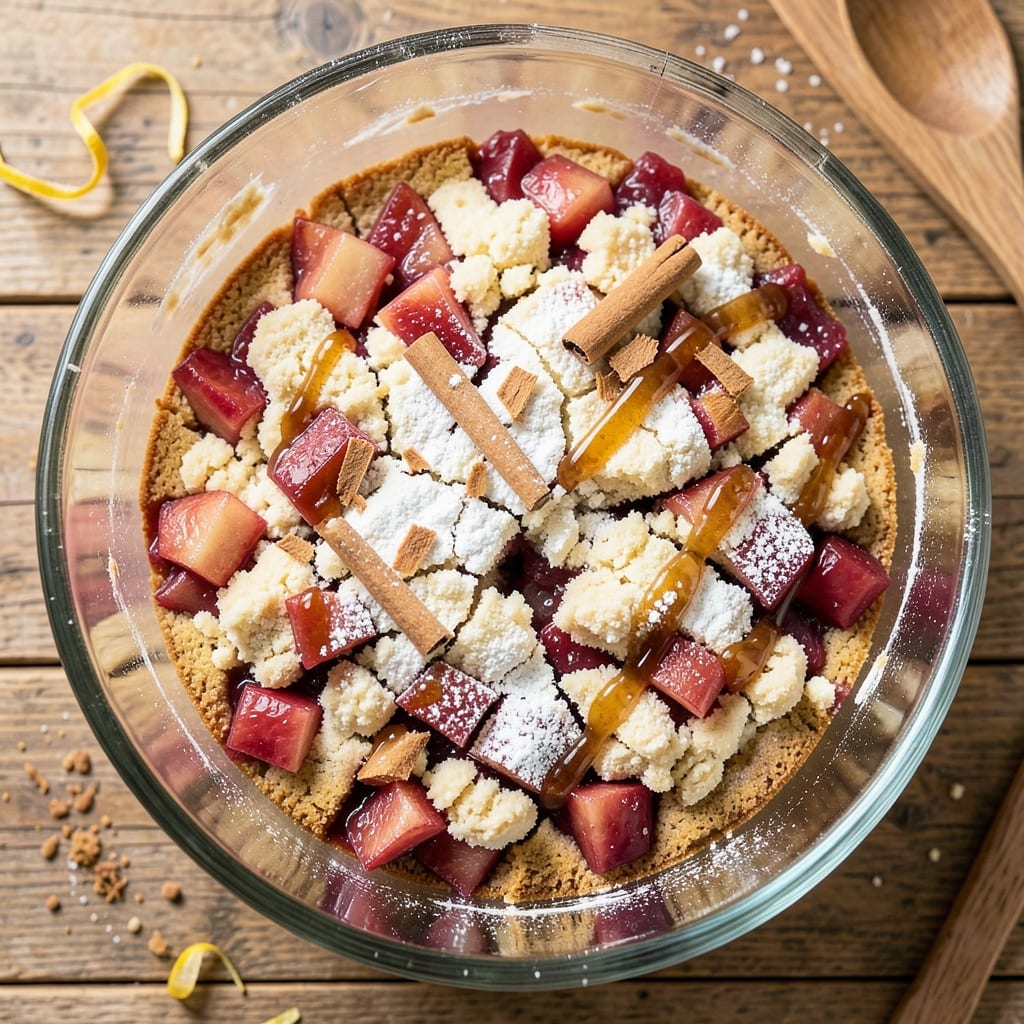
A 1-bowl apple cake delivers all the cozy charm of classic apple cake with none of the fuss—just a single bowl, minimal cleanup, and a moist crumb that practically melts in your mouth. This recipe captures the essence of autumn with warm spices and tender apples, all while keeping the process simpler than you'd expect. The secret lies in the right balance of flour, sugar, and baking powder, which creates a tender yet sturdy cake that holds up to sliced apples and a hint of cinnamon.
The beauty of this recipe is its foolproof simplicity: no mixing bowls to wash, no complicated techniques, and no risk of overmixing. You'll combine everything in one bowl, then let the oven work its magic for about 45 minutes at 350°F, resulting in a cake with a golden top and a tender, slightly dense texture that's perfect for slicing into thick, hearty pieces. The apples stay juicy, the spices infuse deeply, and the edges develop just enough caramelization to make every bite feel special.
What makes this cake truly stand out is how it balances tradition with convenience—no one will guess it came together in a single bowl. The warm spices (cinnamon, nutmeg, and a touch of allspice) create a cozy aroma that fills your kitchen, while the apples add natural sweetness and a pleasant texture contrast. Serve it warm with a drizzle of caramel glaze or a dusting of cinnamon sugar for an extra touch of elegance, though it's just as delicious straight from the oven.
Perfect for weeknight desserts, potlucks, or a comforting treat on a chilly afternoon, this 1-bowl apple cake proves that homemade doesn’t have to be complicated. The recipe scales easily, so you can adjust the size of your bowl to make a single serving or a crowd-pleasing loaf. Let’s get baking!
Ingredients for 1 bowl apple cake
Eight simple ingredients transform into a cozy, spiced apple cake with minimal effort.
| Ingredient | Amount | Notes |
|---|---|---|
| All-Purpose Flour 🌾 | 2 cups | Sifted for even texture |
| Granulated Sugar 🍚 | 1 ½ cups | Light brown sugar works too |
| Unsalted Butter 🧈 | 1 cup | Room temperature, full-fat |
| Large Eggs 🥚 | 2 whole | Room temperature preferred |
| Vanilla Extract 🌿 | 1 tbsp | Pure vanilla extract |
| Baking Powder 🧂 | 2 tsp | Aluminum-free preferred |
| Ground Cinnamon 🌶️ | 2 tsp | Freshly ground preferred |
| Ground Nutmeg 🌿 | ½ tsp | Freshly grated nutmeg |
| Salt 🧂 | ½ tsp | Fine sea salt preferred |
| Apples 🍎 | 2 medium | Peeled, cored, sliced thin |
| Apple Cider 🍏 | ½ cup | Or substitute apple juice |
The apples make or break this cake. Granny Smiths add tartness while Honeycrisp or Fuji bring sweetness—mix them for balance. Local farmers markets often have the best selection, but the grocery store works too. Peel and slice them thin (about 1/4-inch thick) so they cook evenly without turning mushy. If you're short on time, pre-sliced apples from the produce section save steps, though fresh-cut always tastes better.
No vanilla extract? Vanilla bean paste works perfectly, or use 1 tsp vanilla sugar if you're in a pinch. Swap brown sugar for white if that's what you've got—just add an extra pinch of cinnamon to compensate. The baking powder is non-negotiable here (don't use baking soda), but if you're worried about freshness, test it first by mixing 1 tsp with 2 tbsp hot water—it should foam up. For the apples, canned apple pie filling in a squeeze is a sneaky shortcut (drain well), though fresh is always better.
This cake keeps well at room temperature for 3 days wrapped in foil, or 5 days in the fridge. For longer storage, slice and freeze between parchment paper for up to 3 months. I always make a double batch—half for the week, half to give away. The flavor actually improves overnight as the spices mellow. Reheat slices in a 350°F oven for 5 minutes to restore that just-baked warmth.
Why You'll Love This Recipe
- One-Bowl Magic: I swear by this trick—just toss everything into one bowl, mix, and bake. No measuring cups to lose, no separate bowls to scrub. The butter and sugar cream so fast, you’ll be done before the oven even heats up.
- Apples Meet Buttercream: That warm cinnamon-spiced apple filling swirled into a tender crumb? It’s like dessert hugged a slice of cake. The vanilla extract ties it all together—subtle but there, making every bite feel intentional.
- Weeknight or Birthday: Honestly, this cake works for everything. Pack it for lunch the next day, serve it at a picnic, or let the kids "decorate" it with extra sugar before a party. Same recipe, zero stress.
- Budget-Friendly Leftovers: Uses pantry staples you already own, and the portions are generous. I’ve made this for six people with just one batch—leftovers taste just as good cold, wrapped in foil. Plus, the butter and eggs stretch farther than you’d think.
Step-by-step instructions for one-bowl apple cake
This method keeps everything in one bowl—no mixing bowls, no mess, just perfect cake.
Combine Dry Ingredients in the Bowl
In a large mixing bowl, whisk together the 2 cups all-purpose flour, 1.5 cups granulated sugar, 2 teaspoons baking powder, 2 teaspoons ground cinnamon, ½ teaspoon ground nutmeg, and ½ teaspoon salt. Sift the flour first if you can—this prevents lumps and ensures an even texture throughout the cake. The dry ingredients should look completely homogeneous with no visible streaks of flour.
Here's the thing—don't skip sifting if your flour isn't pre-sifted. I've found that even "sifted" flour from the store sometimes has compacted bits. The goal is to create a light, airy cake, and proper mixing at this stage is half the battle. Set this bowl aside for now—you'll be adding everything else to it.
Mix Wet Ingredients with Apples
In the same bowl, add the 1 cup unsalted butter (room temperature), 2 whole large eggs, 1 tablespoon vanilla extract, and ½ cup apple cider. Using a hand mixer or electric beaters on medium speed, mix everything together until the butter is fully incorporated and the mixture is smooth. This should take about 2-3 minutes—you'll know it's ready when the batter looks cohesive and there are no visible streaks of butter.
Next, peel, core, and slice the 2 medium apples into thin rounds (about ⅛-inch thick). Fold the apple slices gently into the batter using a spatula, being careful not to overmix. You want the apples distributed evenly throughout—some slices in the center, some toward the edges. This ensures every bite has that perfect apple flavor infusion without making the cake too dense.
Bake to Golden Perfection
Preheat your oven to 350°F and grease a 9-inch round cake pan (or line it with parchment paper for easy removal). Pour the batter into the prepared pan and smooth the top with a spatula. Bake for 45-50 minutes, or until a toothpick inserted into the center comes out clean and the edges are golden brown. The cake should spring back slightly when pressed gently in the center—this is your best indicator of doneness.
I know it's tempting to open the oven early to check, but resist! The cake needs that full baking time to develop proper structure. If the top browns too quickly, tent it loosely with aluminum foil after 25 minutes to prevent over-browning while still allowing the cake to cook through evenly.
Cool and Serve Warm
Remove the cake from the oven and let it cool in the pan for 10 minutes. Then transfer it to a wire rack to cool completely. The cooling process is crucial—it allows the cake to set properly and prevents it from becoming gummy. While it cools, you can dust the top with powdered sugar if you like, but honestly, the warm spice aroma and tender crumb speak for themselves.
This cake is best served warm, straight from the oven. The apples will be tender but still hold their shape, and the spice notes will be at their peak. Slice it thick (about 1-inch pieces) to really appreciate the moist texture and apple flavor in every bite. Leftovers keep well at room temperature for 2 days or can be refrigerated for up to 4 days—just reheat slices in the microwave for 10-15 seconds to restore that warm, comforting quality.
Pro Tips For Making 1 Bowl Apple Cake
- MEASURE BUTTER PRECISELY: The recipe calls for room-temperature butter—not melted, not cold, but soft enough to press with a finger. I learned this the hard way: cold butter creates dense pockets, while melted butter makes the cake greasy. Use a kitchen scale for accuracy (85g for ¾ cup), then let it sit 30 minutes before mixing.
- WHISK EGGS UNTIL FROTHY: Skip the lazy pour-and-stir. Beat the eggs and sugar vigorously for 2-3 minutes until the mixture lightens and thickens slightly. This incorporates air, which is the only thing keeping a one-bowl cake from being a brick. A hand mixer does this faster, but elbow grease works too—just don’t rush it.
- DON’T OVERMIX THE BATTER: After folding in flour, stop as soon as it’s just combined. Overmixing develops gluten, which turns your tender cake into a chewy loaf. Two quick swirls with a spatula should do it—lumpy batter is fine, texture is everything.
- USE COLD APPLES (IF ADDING): If you’re tossing in apples, slice them first and refrigerate for 10 minutes. Cold apples release less moisture during baking, preventing a soggy center. (Yes, even if you’re impatient—your future self will thank you.) Toss them in flour first to absorb any extra juice.
Pro cooking tips for this dish
Butter Temperature Matters
Room-temperature butter is non-negotiable here—it blends smoothly with the wet ingredients for a tender crumb. If your butter is straight from the fridge, let it sit at room temperature for 60-90 minutes until it's soft but still holds its shape when pressed. I test it by gently pressing a finger into the butter; it should leave a slight indentation but not flatten completely. Cold butter creates pockets in the cake, while overly soft butter can make the texture greasy. 🧈
Apple Prep Secrets
Slice apples ⅛-inch thick for even cooking—they should soften but not turn mushy. I use a mandoline slicer for consistency, but a sharp chef's knife works too. Toss the slices in 1 teaspoon lemon juice before folding them in to prevent browning. For extra flavor, sprinkle the sliced apples with ½ teaspoon cinnamon and ¼ teaspoon nutmeg before mixing into the batter.
Baking Powder Test
Always test your baking powder—mix 1 teaspoon with 2 tablespoons hot water in a small bowl. It should foam up immediately. If it doesn't, your baking powder is inactive, and the cake won't rise properly. I keep a small jar of Clabber Girl aluminum-free baking powder in my pantry specifically for baking—it's reliable and affordable. Expired baking powder is a common mistake that leads to dense, flat cakes.
Oven Calibration Check
Ovens vary wildly—mine runs 25°F hotter than the set temperature. To compensate, I bake this cake at 325°F instead of 350°F for the first 30 minutes, then increase to 350°F for the final 15 minutes. This two-stage baking ensures even cooking without over-browning. Invest in an oven thermometer—they're cheap and save you from dry cakes or underbaked centers.
Cake Pan Prep
Grease your 9-inch round pan thoroughly with butter, then dust with flour or line it with parchment paper. I prefer parchment because it prevents sticking and makes removal effortless. For extra insurance, I draw a ½-inch circle on the parchment with a pencil to mark the cake's edge—this keeps the batter centered and prevents overflow during baking.
Doneness Test
The toothpick test is foolproof: insert it into the center—it should come out with a few moist crumbs but no wet batter. If it's completely clean, the cake may be overbaked. The edges should be golden brown, but the top can still look slightly underdone. Let the cake cool in the pan for 10 minutes before transferring—this prevents cracking as it shrinks. 🍎
Nutrition facts
Frequently asked questions
Can I make this apple cake without a hand mixer?
Use a sturdy wooden spoon or silicone spatula to mix the wet ingredients until fully combined. For the dry ingredients, whisk them in a separate bowl first, then fold everything together gently with a spatula. The key is to avoid overmixing—just combine until no flour streaks remain. This method works perfectly for a single-bowl approach without electric tools.
What if I don't have apple cider? Can I substitute?
Yes, use apple juice, white grape juice, or even water mixed with 1 teaspoon lemon juice to mimic the acidity. For extra flavor, add ½ teaspoon vanilla extract to compensate. The liquid helps tenderize the cake and keeps the apples juicy while baking. The substitution won't change the texture significantly.
Why does my cake turn out dense instead of moist?
Overmixing the batter is the most common cause—stop mixing as soon as the flour disappears. Also, check your baking powder (test it with hot water) and ensure your butter is at room temperature. Another tip: don't overfill the pan—use a 9-inch round pan and fill it only ⅔ full. These adjustments create that signature tender crumb.
Can I make this cake gluten-free?
Yes, but you'll need to substitute the all-purpose flour with a 1:1 gluten-free baking flour blend (like Bob's Red Mill). Add ½ teaspoon xanthan gum if your blend doesn't include it. Also, reduce the apple cider to ¼ cup and increase the eggs to 3 for better structure. The texture will be slightly different but still delicious.
How can I make this cake extra moist?
Replace ¼ cup of the apple cider with yogurt or sour cream for added moisture. You can also brush warm slices with simple syrup (equal parts sugar and water heated until dissolved) before serving. For an overnight version, wrap cooled cake tightly in plastic wrap and refrigerate—this keeps it moist for up to 3 days.